
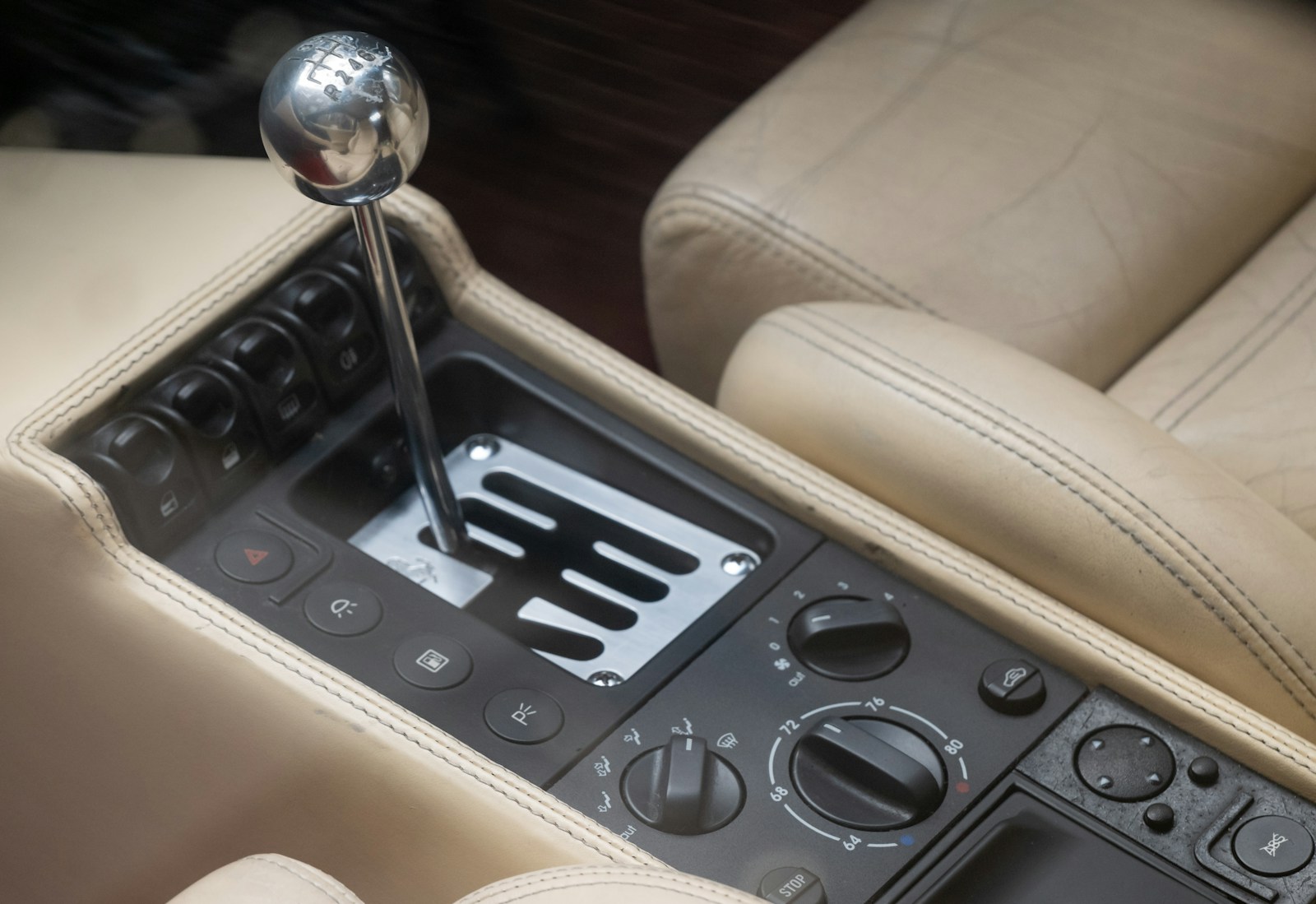

Manual transmissions were supposed to fade quietly into the background, a nostalgic footnote in a market obsessed with range estimates and driver-assist acronyms. Instead, the share of new cars sold with three pedals is ticking up, and that tiny but growing take-rate is a warning light on the modern dashboard. It signals that a vocal slice of buyers is not buying the industry’s vision of a future where the car does almost everything for them.
What looks like a niche comeback is really a referendum on how disconnected driving has become. As more vehicles shift to electric powertrains and heavily automated gearboxes, the people choosing manuals are voting with their wallets for engagement, control, and mechanical honesty, and that should make automakers nervous.
The tiny percentage that refuses to die
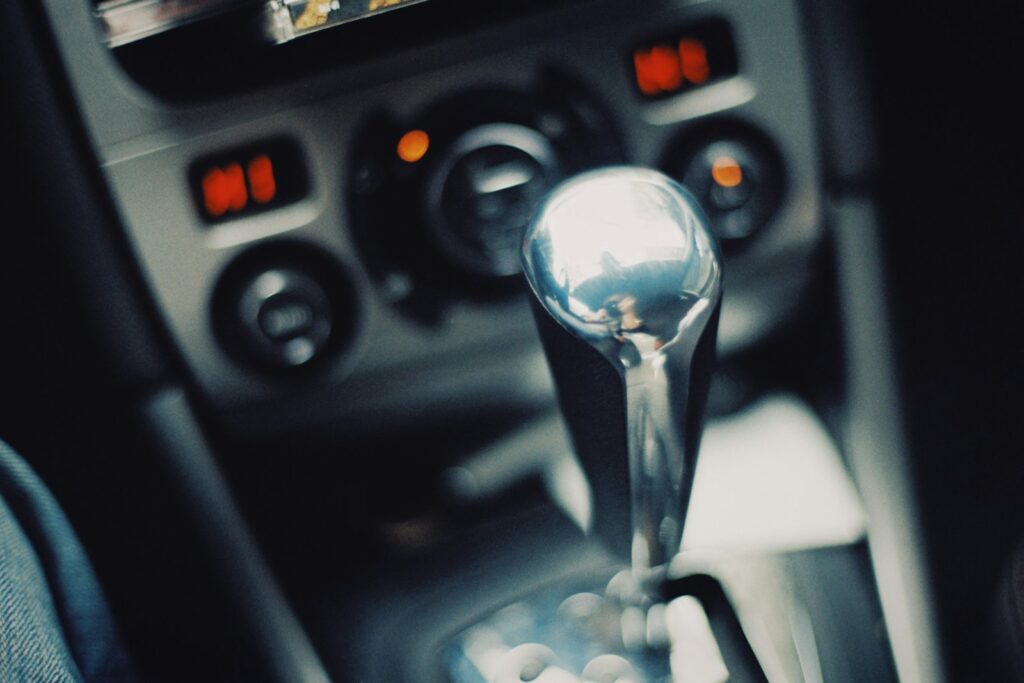
On paper, the manual market is microscopic, yet it is moving in the wrong direction for companies that have already written it off. In America, the take-rate for new stick-shift cars climbed from 0.9-percent to 1.7-percent in just a couple of years, a small absolute number but nearly a doubling of share. For a feature that is supposedly obsolete, any growth at all is a sharp contrast to the straight-line decline automakers had been banking on.
The rebound is most obvious in enthusiast and performance models, where buyers are deliberately choosing a manual even when the automatic is quicker. Sports cars like the Toyota GR86, Mazda MX-5 Miata, and various hot hatchbacks are seeing a meaningful share of customers opt for three pedals, and some performance brands have responded by keeping or reintroducing manual options in halo models. Reporting on performance cars shows that this is not just nostalgia, it is a conscious trade of a few tenths of a second in acceleration for a more involved experience behind the wheel.
Young drivers and the anti-appliance backlash
The most surprising twist is who is driving this resistance. Instead of aging purists clinging to the past, a wave of Young buyers is discovering manuals for the first time and treating them as a kind of analog rebellion. Data shared on social platforms shows that Young drivers are reviving manual transmissions in new cars from brands like Acura and Mazda, especially in sports cars that still offer a clutch pedal. For a generation raised on smartphones and algorithmic feeds, the appeal is partly that a manual car cannot be doomscrolled, it demands attention.
That attitude lines up with a broader pushback against cars that feel like rolling appliances. Enthusiast reporting describes how the resistance to performance for performance’s sake and to full electrification is growing, with younger buyers seeking out enthusiast cars that cater to their needs rather than to spreadsheets. For them, a manual gearbox is not just a feature, it is a filter that separates cars built for drivers from those built to be tolerated in traffic.
EVs, driver-assist tech, and the engagement gap
At the same time, the rest of the industry is sprinting in the opposite direction, toward electric drivetrains and advanced driver assistance that steadily remove tasks from the human behind the wheel. Tech is pushing towards less driver engagement, not more, and Tech companies and automakers alike are investing heavily in part-time hands-free systems. Almost every manufacturer is working on features that can keep the car in its lane, manage speed, and eventually take the driver out of the picture altogether, and that is where the manual take-rate becomes a problem.
As electric vehicles spread, an unintended side effect is that some buyers are actively seeking out the opposite experience. Analysts have noted that interest in manual transmissions is rising as a counterweight to the smooth, silent, single-speed feel of many EVs, with one expert telling ABC that they see the highest degree of interest in manual transmission sports cars, especially when a manual is still available in a 911 GT3. That comment, shared in coverage that also referenced Nov, Minneapolis and ICE in a separate context, underscored how the demand is concentrated in cars that promise a visceral connection.
For automakers, that is the unsettling part of the manual take-rate story. The numbers are small, but they reveal a growing engagement gap between what companies are building and what a passionate subset of customers actually wants. If brands ignore that signal and treat manuals as a quirky relic, they risk ceding those buyers to rivals that are willing to keep three pedals alive, even in a world racing toward batteries and automation.
More from Wilder Media Group: