

A new wrongful death case is putting Tesla’s sleek door handles under a harsh spotlight, after a young driver who survived a crash reportedly died trapped inside his burning car. The lawsuit argues that a design meant to look futuristic instead turned deadly when it mattered most, and it is already feeding a broader debate over how far automakers can push high tech before they compromise basic escape routes.
At the center of the case is 20‑year‑old Samuel Tremblett, whose family says he was alive and conscious after his Tesla hit a tree but could not get out as flames spread. Their complaint, filed in federal court in Massachusetts, accuses Tesla of knowing its retractable electronic handles could fail in an emergency and of not doing enough to warn drivers or first responders.
The crash, the 911 call, and a family’s lawsuit
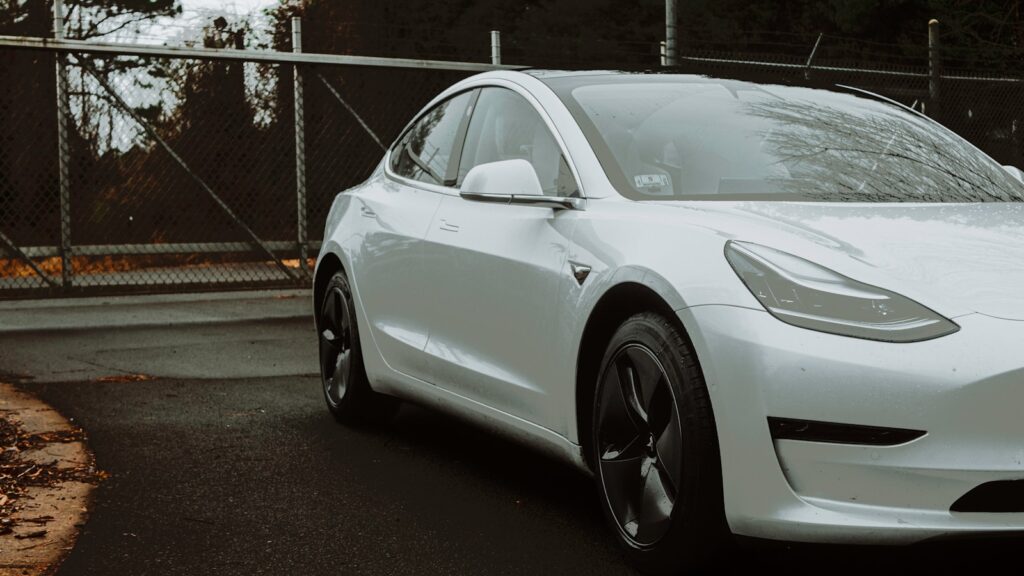
According to the wrongful death filing, Samuel Tremblett was driving a 2021 Model Y in Easton when his vehicle crossed into the southbound lane of Route 138 and slammed into a tree. Reports say he survived the initial impact, but the Model Y then burst into flames while he remained strapped in the driver’s seat. The suit, which names Tesla as the defendant, argues that the car’s electronic door system failed in the chaos after the crash and that the company’s design choices directly prevented Tremblett from escaping.
Family members and their lawyers say the most haunting evidence is the emergency call Tremblett made from inside the burning vehicle. In that 911 recording, he reportedly begged, “Help please … I am going to die,” a plea echoed in another account of the 911 call that highlights his desperation as smoke and fire closed in. His mother, who is bringing the case, says those final words are now the driving force behind her push to hold Tesla accountable.
The complaint, described in detail in coverage of the Lawsuit, says Tremblett did not die from the collision itself but from the fire that followed, a point also stressed by Attorney Andy Nebenzahl of the Nebenzahl Law Group. In an interview with Attorney Andy Nebenzahl, he argued that police officers who rushed to the scene were not able to open the doors quickly and had not been fully briefed on the quirks of Tesla’s hardware. For Tremblett’s mother, identified in local coverage of the Massachusetts case, the legal fight is as much about forcing changes to the cars as it is about any eventual payout.
Door handle design under fire
At the heart of the lawsuit is a deceptively simple question: what good is a cutting edge electric SUV if the driver cannot get out when everything goes wrong. Tesla’s Model Y uses flush, electronically actuated handles that sit flat against the bodywork until they are triggered, a look that fits the brand’s minimalist aesthetic but can be confusing in a panic. The complaint argues that when the Model Y lost power after the crash in Easton, those electronic handles and interior switches stopped working, leaving Tremblett to fumble for a manual release he had never been clearly taught to use.
Coverage of the case notes that Tremblett’s mother is suing Tesla over what she calls defective electronic door handles on the Model Y, echoing similar concerns raised in other incidents involving the brand’s retractable hardware. Another report on the Tesla Hit With notes that cars with retractable handles have already been banned in at least one jurisdiction, a sign that regulators are starting to see the design as more than just a styling choice. Critics say the company prioritized a clean exterior line over the kind of big, obvious mechanical latch that firefighters can spot and yank in seconds.
The new case is not happening in a vacuum. Reporting on the broader pattern of complaints points out that the suit over the fiery death of a student trapped in a Model Y after a crash is only the latest in a string of claims targeting the Austin automaker’s door systems. One analysis of the case, framed around how Tesla Faces New Wrongful Death Suit Over Door Handle Trap, notes that the company has long touted its vehicles as safer than traditional cars, yet now finds itself defending a feature that allegedly turned survivable crashes into fatal fires. For safety advocates, the Tremblett case is a blunt reminder that even the most advanced electric vehicle still needs a simple, fail safe way to open the door.
A growing backlash against “smart” doors
As details of Tremblett’s final moments spread, the story has ricocheted across social media and tech circles, where Tesla’s design choices are often treated as a bellwether for the rest of the industry. Commentators like Andru Edwards, identified as Andru Edwards and tagged as Author in one widely shared Threads post, have highlighted how a 20 year old Tesla driver could survive a crash yet still die because he “couldn’t get out as the car” burned. That post, timestamped at 12:57 a.m., has become a shorthand for the horror of being trapped by the very tech that was supposed to make driving safer and more convenient.
More from Wilder Media Group: