

Ram dealers have finally seen the reborn Dakota in the metal, and the early verdict is that the midsize pickup looks ready to fight. After years of watching rivals carve up the segment, the brand that built its reputation on full-size trucks is stepping back into a class it has not touched since the last Dakota left showrooms in 2011. The new truck is still a couple of years from customer deliveries, but the people who will have to sell it are already sounding optimistic.
That matters, because dealer enthusiasm is often the first real-world stress test for any new model. If the folks who live and die by monthly sales think Ram has finally nailed the formula, the midsize market could be in for a serious shakeup.
Dealers Wanted “Rough, Aggressive” – And That Is What They Saw
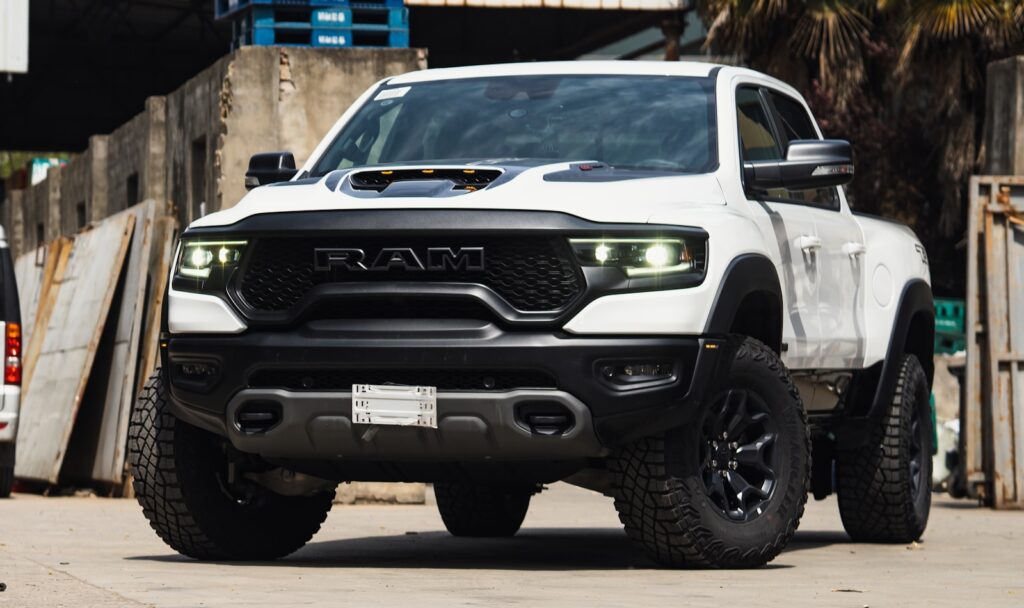
The clearest signal from the closed-door previews is that Ram leaned into attitude rather than playing it safe. Dealers who attended the private showings described the new Dakota as “rough” and “aggressive,” and several of them said the truck hits “the right size” sweet spot that shoppers keep asking for. That feedback suggests Ram is not trying to build a shrunken 1500, but a distinct midsize pickup with its own stance and proportions, aimed squarely at buyers who think a compact looks too small and a full-size feels like overkill.
Those reactions line up with the broader expectations around the Ram Dakota nameplate, which has always carried a slightly tougher, more work-ready image than some rivals. In dealer conversations recounted from the preview, the “rough, aggressive” look was framed as a direct answer to the current crop of midsize trucks, which includes off-road flavored versions of the Toyota Tacoma and Ford Ranger. One dealer pointed to the Dakota’s stance and bodywork as the kind of visual punch that helps a truck stand out in a crowded lot, a crucial edge when customers are cross-shopping multiple brands in the same afternoon.
Underneath the styling talk is a simple business reality: Ram has been missing from this segment for a long time. Executives have acknowledged that gap, with Stellantis CEO Antonio describing Ram as a “huge, strong pickup maker that is missing a midsize” during an appearance at the Detroit Auto Show. He has also suggested the new truck could be a “game changer,” a phrase that only carries weight if dealers believe the product can actually pull new buyers into showrooms. The early dealer buzz indicates that, at least on design and presence, Ram may have cleared that first hurdle.
How Ram Plans To Reenter The Midsize Fight
Beyond the styling, the strategy behind the new Dakota is starting to come into focus. Ram has told dealers that the truck is being positioned as a serious contender in the midsize class, not a token entry built just to fill a hole in the lineup. According to internal briefings shared at the preview, the Dakota is slated to arrive as a 2028 model and is expected to be built at the Toledo North portion of the Toledo North complex, a facility already steeped in truck and SUV production. That choice signals that Stellantis is willing to commit serious manufacturing resources to the project rather than treating it as a niche side program.
Production plans shared with dealers point to the Toledo Assembly Complex as the hub for the new Ram Dakota, with the 2028 model year targeted for its official comeback. That timing gives Ram a window to refine trims and options, and early chatter suggests the lineup may skip ultra-luxury badges like Longhorn at launch in favor of more attainable work and lifestyle configurations, a point echoed in dealer-focused coverage of the Longhorn discussion. The idea is to land squarely in the heart of the market where volume lives, then build out from there if demand justifies higher-end variants.
Inside Stellantis, the Dakota is also part of a broader product roadmap that stretches across multiple brands. Internal planning documents shared with retailers, referenced in a multi-year timeline, show Ram filling in gaps in its truck range while Jeep and other nameplates pursue their own SUV and crossover strategies. That context helps explain why the company is so intent on getting the Dakota right: a strong midsize pickup not only brings in new customers, it also keeps existing Ram owners from drifting to competitors when they decide a full-size is more truck than they need.
Why Dealer Hype Matters For Shoppers
Dealer enthusiasm is not just inside baseball, it is an early indicator of how much support a new model will get once it hits the lot. In feedback shared from the preview events, retailers described the truck as the “right size” for customers who want real capability without the bulk of a 1500, and they praised the “rough, aggressive” character that sets it apart from softer-looking rivals. That kind of language matters, because it shapes how sales staff will pitch the Dakota to buyers who might otherwise default to a Tacoma or Ranger.
More from Wilder Media Group: