
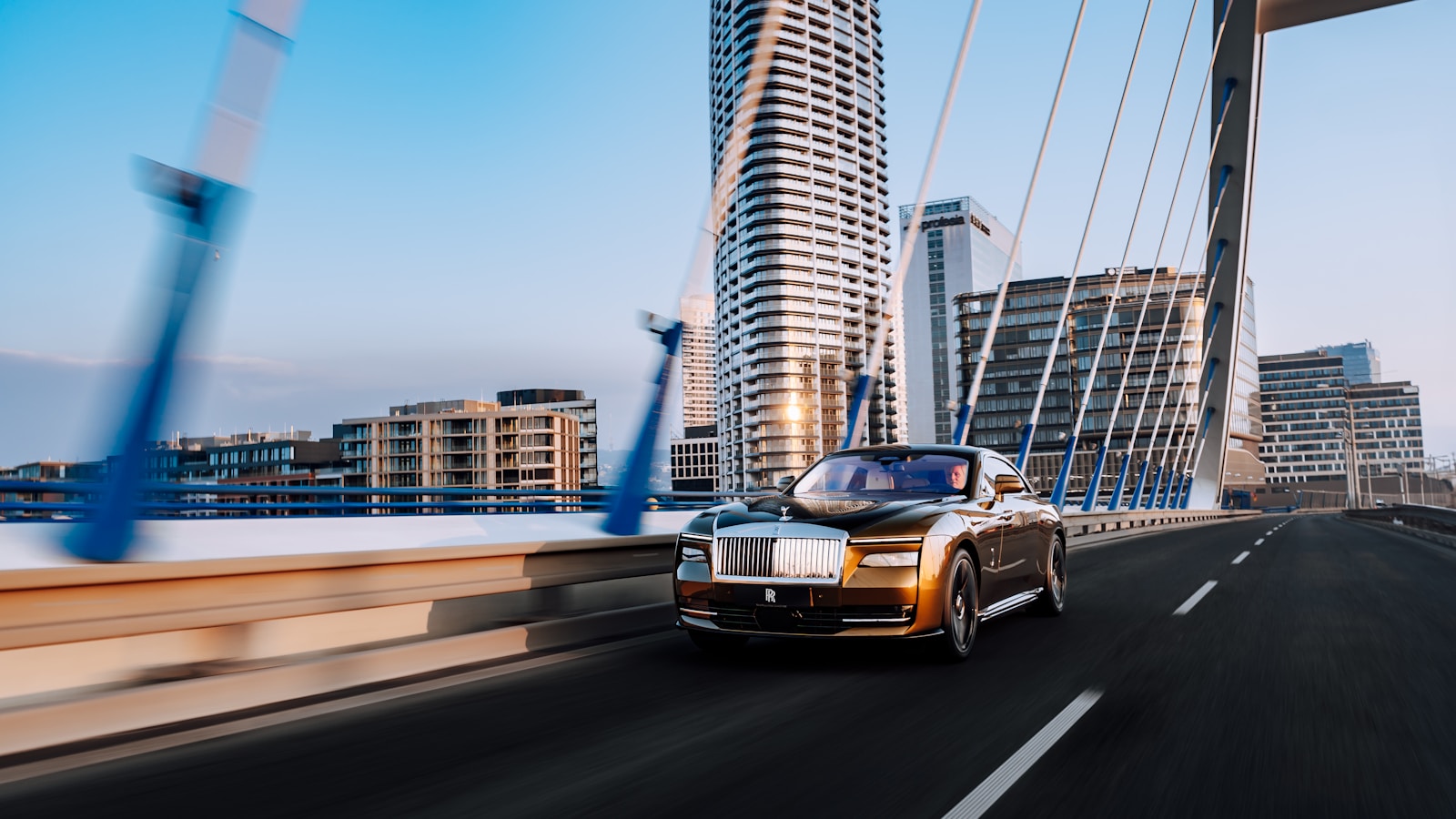

Rolls-Royce is trying to answer the biggest anxiety hanging over six-figure electric cars: what happens when the battery ages out. With the Spectre, its first all-electric coupe, the company is promising to stand behind the pack for a full quarter century, long after most owners will have traded keys or passed the car down. It is a bold bet that battery tech and brand mystique can move in lockstep.
The pitch is simple but aggressive: buy a Spectre and Rolls-Royce will be ready to swap its battery for at least 25 years, treating the pack more like an engine in a classic grand tourer than a disposable component. For a brand that sells permanence as much as performance, the move is as much about psychology as chemistry, aimed at clients who expect their cars to outlast trends, drivetrains and, in some cases, their original owners.
Turning battery anxiety into a 25‑year promise
Rolls-Royce is framing the Spectre as a car that fits into very different ownership patterns, from short leases to multi-decade stewardship, and the long battery commitment is meant to cover that full spread. The company is signaling that whether someone treats the Spectre as a three-year indulgence or a future heirloom, the pack will not be the weak link, a message that sits neatly alongside its talk of Electric Future Classic. That language is aimed squarely at buyers who already think in terms of provenance and long-term value rather than simple depreciation curves.
Underneath the marketing gloss, the company is also acknowledging that real-world battery life is messy, shaped by climate, charging habits and how hard the car is driven. In its own framing of Ownership and Where, Rolls-Royce leans into the idea that some clients will barely put miles on the car while others will rack up long-distance touring, and the 25-year readiness to replace the pack is meant to smooth out those extremes. By decoupling battery support from a single first owner, the company is also quietly boosting the car’s appeal on the secondary market, where lingering warranty coverage can make or break resale values.
Durability data, warranty safety net and a very public failure
To make that 25-year talk sound credible, Rolls-Royce is leaning hard on early durability numbers from the Spectre’s test program. The company has said the electric coupe retained 99 percent of its battery performance even after 100,000 kilometers of testing in varied climates, a figure it has highlighted in Spectre updates. That kind of retention, if it holds up in customer hands, would put the car at the very top of the EV pack, especially in a segment where owners are unlikely to tolerate noticeable range loss or performance fade.
The brand is backing those lab-style claims with a formal safety net: a 15-year, unlimited-mileage warranty that explicitly covers the high-voltage battery and is pitched as “long-term confidence” for buyers. In its own announcement, Rolls and Royce Motor Cars describe that coverage as unlimited in distance and designed to sit alongside the Spectre’s role as a spiritual successor to the Wraith and the Dawn. The idea is that the warranty handles the first 15 years of real-world use, while the 25-year replacement pledge stretches the horizon for collectors and second or third owners who expect the car to keep gliding long after the initial paperwork is signed.
That confidence pitch is not happening in a vacuum, and Rolls-Royce knows it. The broader EV world has been wrestling with very public worries about battery safety and longevity, from city-level restrictions that have triggered backlash among owners to debates over how to handle older packs in dense urban areas. In South Korea, for example, new rules aimed at managing the perceived fire risk of electric cars have sparked intense pushback from drivers who argue that the measures unfairly stigmatize EV batteries. Against that backdrop, a 25-year promise from a marquee luxury brand is as much a reputational play as it is a technical one, an attempt to reassure a nervous market that high-end electric cars can be both safe and enduring.
Luxury expectations meet real-world EV headaches
For all the talk of future classics and bulletproof chemistry, the Spectre is still an EV, and that means it is not immune to the same headaches that have dogged more mainstream models. Early adopters of cars like the Nissan Leaf have been vocal about how first-generation packs degraded faster than expected, with some owners bluntly saying they “hate it” for those flaws and for the way Also stubborn charging standards limited upgrades. Rolls-Royce is clearly trying to avoid that trap by promising that both current and future Spectre owners will have access to replacement packs well into the 2050s, a point it has underlined in technical briefings that describe the battery as the heart of the car and quote a range of up to 251 miles in ideal conditions backed by At the center of the ownership experience.
More from Wilder Media Group: