
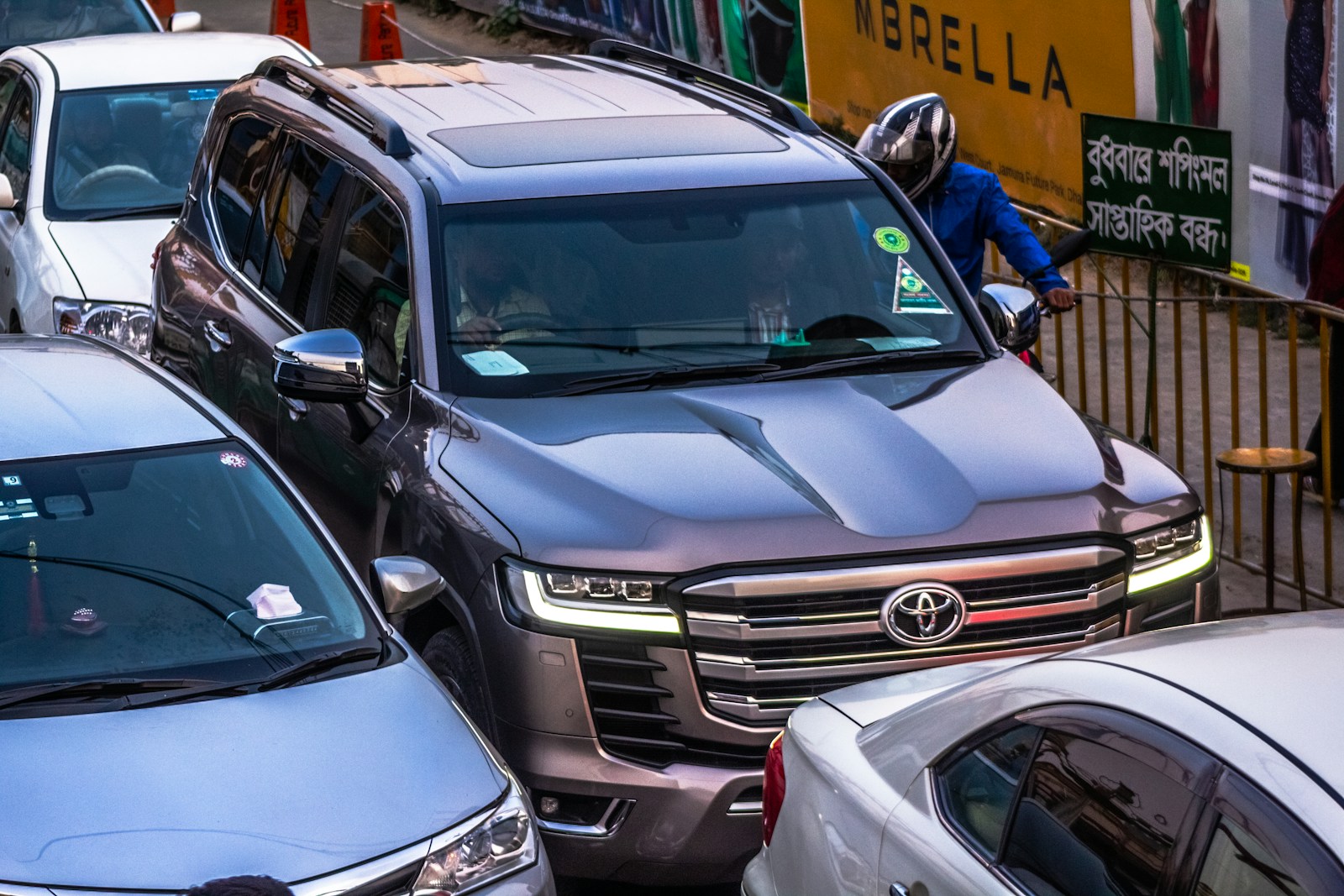

Toyota shoppers just got a fresh reason to stop procrastinating. A senior executive has warned that the company may adjust sticker prices up to three separate times in 2026, a sign that the era of steady, predictable increases is giving way to something choppier. The message is simple enough: if a new Toyota is on the horizon, waiting for the “perfect” deal next year could mean chasing a moving target.
The warning lands at a moment when new vehicles are already brushing up against painful affordability limits and when global trade policy is reshaping what it costs to build a car. Toyota is trying to walk a tightrope between protecting its margins, keeping dealers on the same page and not scaring off buyers who have long seen the brand as a safe, rational choice.
Why Toyota is bracing for a turbulent 2026
Inside Toyota, the expectation is that 2026 will not be business as usual. Executives have signaled that the company is planning as many as three rounds of repricing next year, a shift that reflects how quickly costs and competitive pressures are moving. Internal guidance shared with retailers describes multiple potential adjustments across the 2026 model year and even references the figure 202 in connection with the planning framework, underscoring how granular the company is getting as it maps out scenarios. The goal is not to shock the market, but to give Toyota room to react if parts, labor or logistics costs spike again.
That caution is rooted in a tougher macro backdrop. At CES earlier this year, Toyota executives framed 2026 as a year when profit margins would be squeezed by higher US tariffs and the expensive shift toward software-heavy vehicles. With profit margins unable to absorb every new cost, the company has limited room for short term relief and is signaling that some of that pressure will show up in transaction prices. The message from Jan to dealers and investors alike was that Toyota will likely be a disciplined follower on pricing, not a market leader, but it will not sit still if the economics of building cars in a tariff heavy world keep tightening.
What multiple price hikes could mean for buyers and dealers
For shoppers, the most concrete takeaway is that the window for snagging a relatively cheaper Toyota may be closing. A senior executive has already floated that the company could adjust stickers several times, a warning that has been widely interpreted as a nudge to consider buying before the 2026 waves hit. Reporting on the plan to potentially raise prices up to three times has stressed that this is not a bluff to goose short term sales, but a reflection of how the cost base is shifting for a brand that still sells itself as a value play. One analysis of the situation, framed under the banner Toyota Could Raise, notes that the company is trying to preserve its reputation for rational pricing even as it prepares customers for a bumpier ride.
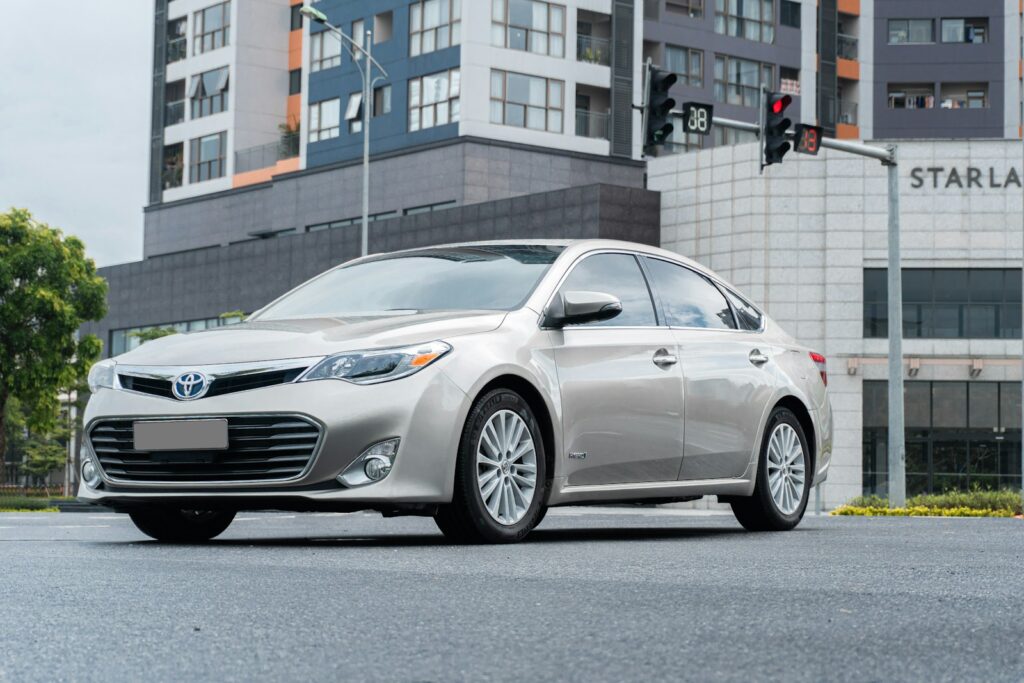
The impact will not be uniform across the lineup. Hybrids and popular family sedans are already creeping up, with the Toyota Camry (Hybrid) 2026 model priced more than the 2025 model, a concrete example of how electrified powertrains and new tech features are being priced in. Dealers, meanwhile, are eyeing what some describe as a new era of profits, as transaction prices across the industry hover near $50,000 and affordability is already stretched. In coverage of how Dealers are reacting, panelists have warned that record sales in 2026 could still carry real risks if buyers finally hit their breaking point on monthly payments.
Managing confusion, loyalty and the broader market shift
Toyota knows that changing prices several times in a single year can easily turn into a communications mess. Internal discussions have emphasized the need to avoid dealer confusion, with the company trying to keep its network aligned on when and how each adjustment will roll out. A recent industry briefing described how Toyota is coaching retailers to explain the changes as part of a broader cost environment rather than a simple grab for margin. The group wants to grow, but it also wants to avoid a scenario where customers feel like they are being whipsawed by surprise increases every few months.
Customer loyalty is the other big variable. Toyota ranks fourth highest in brand loyalty for 2025 models and earlier, according to research cited in coverage of the looming price moves, a reminder that many buyers come back to the brand almost by default. That stickiness gives the company some room to maneuver, but it is not unlimited. Analysts who have dug into the warning that Executive Warns prices could climb multiple times in 2026 note that rivals like General Motors are also wrestling with tariffs, battery costs and software investments. In that sense, Toyota is not an outlier so much as an early, unusually candid voice about where the market is heading.
More from Wilder Media Group: