
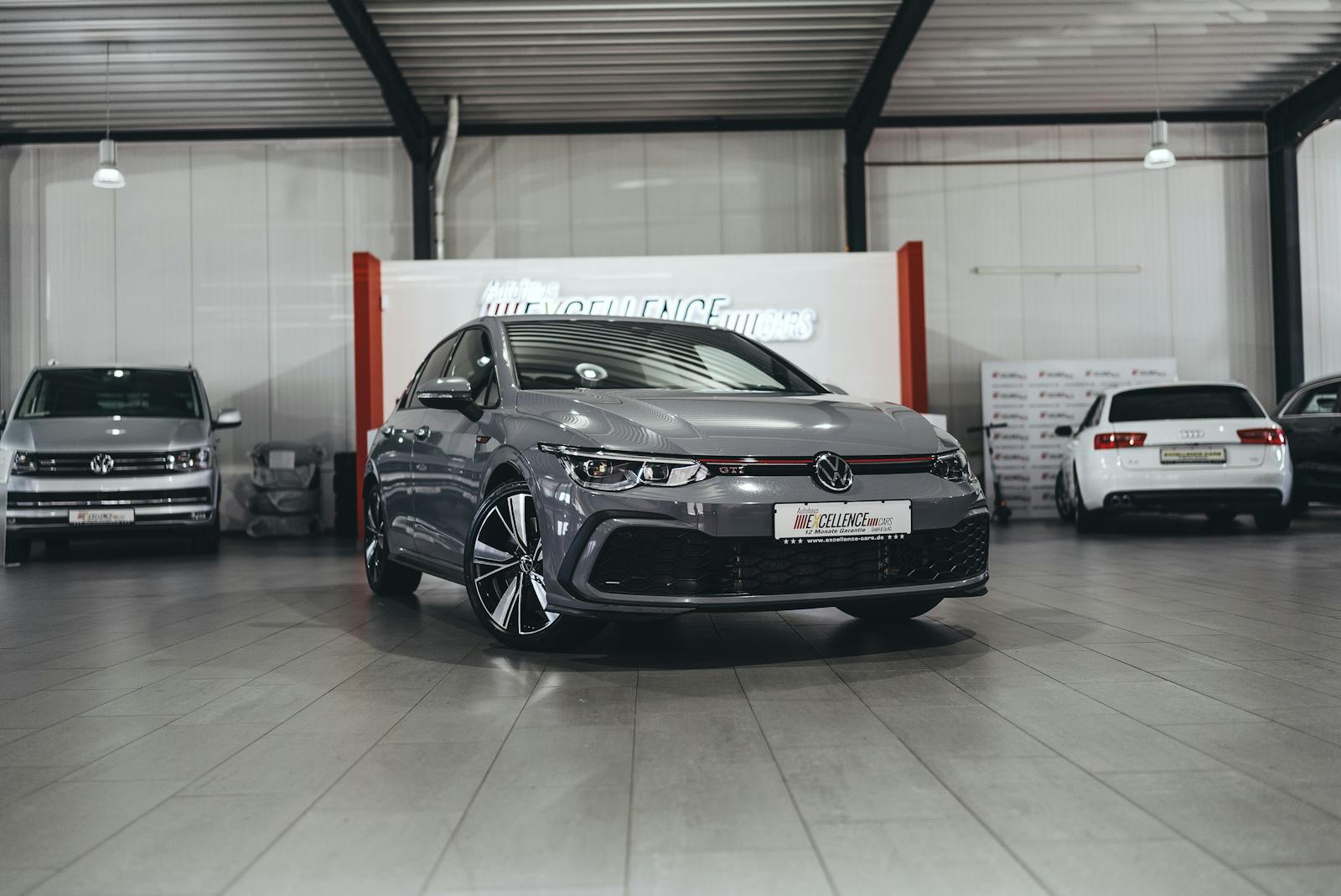

U.S. car dealers are staring at a wave of low cost Chinese vehicles and are not interested in competing on Beijing’s terms. Their main trade group is pressing Washington to keep those brands out of showrooms entirely, arguing that the stakes run from local jobs to national security. The fight over whether Chinese automakers get a shot at the American market is quickly turning into a test of how far the country is willing to go to shield its auto industry from a new generation of global rivals.
Behind the scenes, dealers are scrambling to shape the rules before the first big shipment of Chinese cars ever hits a U.S. port. They see what is happening in nearby markets and worry that once Chinese brands are in, they will be almost impossible to dislodge. That anxiety is now spilling into public campaigns, closed door lobbying and some very blunt talk at industry events.
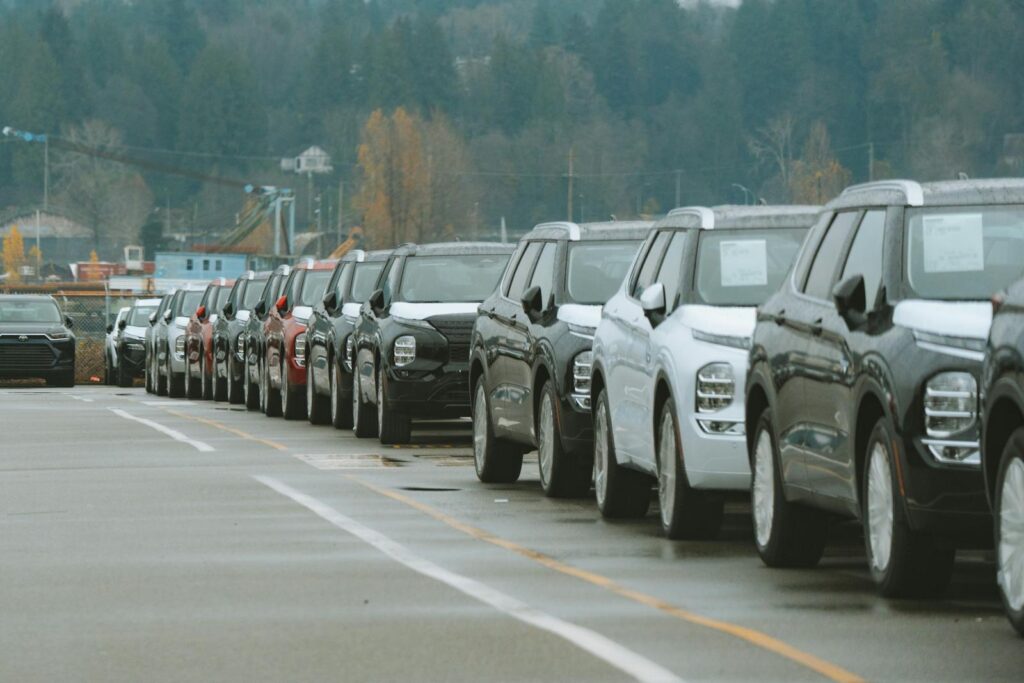
The dealer lobby’s hard line
The National Automobile Dealers Association has moved from quiet concern to an explicit demand that the federal government block Chinese automakers from entering the United States. In recent remarks, NADA leaders urged officials to keep Chinese brands such as BYD and Chery out of the country, warning that the combination of state backing and cut rate pricing would be “bad for our industry” and “bad for our country.” That message has been repeated across dealer gatherings, where executives frame the issue as an existential threat rather than just another round of competition.
NADA is not just talking in generalities, it is explicitly asking the U.S. government to use trade, security and industrial policy tools to keep Chinese brands out. In one account of the group’s position, NADA urges the United States to block Chinese automakers outright, citing both national security and what it calls unfair advantages enjoyed by Chinese manufacturers that are closely tied to their state backed system. The National Automobile Dealers Association has even been branded with the rallying cry “No To Chinese, Says NADA,” a shorthand for its push to strengthen barriers against Chinese automakers in every policy arena that matters to the car business.
Why Chinese brands scare U.S. showrooms
American retailers are blunt about why they want the door closed: they do not think they can win a price war with Chinese manufacturers that have already reshaped markets in Europe and Latin America. American car dealers are seeking to block Chinese manufacturers from gaining a foothold in the United States, warning that cheap Chinese models could undercut domestic brands just as U.S. built cars have risen in price. For dealers who rely on financing, service and trade ins to make their numbers work, a flood of bargain EVs and crossovers from China looks like a direct hit to their margins.
There is also a sense that Chinese automakers are arriving at exactly the wrong time for U.S. retailers. As Chinese automakers expand globally, they are leaning on aggressive pricing, advanced connectivity and globalized supply chains that let them move quickly into new markets, a combination that has already put pressure on established brands in other regions. Dealers look at that playbook and see a future where their lots are full of slower moving, higher priced inventory while Chinese brands scoop up budget conscious buyers with tech heavy models that feel more like smartphones on wheels.
Canada’s move and the “panic mode” next door
The anxiety spiked when Canada signaled that it was ready to welcome Chinese made vehicles into its own market. U.S. car dealers have raised alarms after Canada moved to allow Chinese made vehicles into its market, warning that the decision increases concerns that those same cars could soon be shipped across the border into American driveways. For retailers in northern states, the idea that a customer could simply cross into Canada to buy a cheaper Chinese EV and then import it back home is not some abstract trade theory, it is a real world scenario that could play out within a single afternoon.
That is why some industry voices describe U.S. dealers as being in “full panic mode” after Canada green lit Chinese cars. One detailed account of that mood captured how Dealers In Full Panic Mode After Canada Green Lights Chinese Cars, with a NADA CEO warning that Chinese vehicles entering North America through Canada would be “bad for” the U.S. market and could quickly start making their way to America. For dealers who already feel squeezed by higher interest rates and cooling demand, the idea that a neighboring country could become a back door for Chinese brands only adds to the sense that the clock is ticking.
Inside the NADA Show: unity, dissent and 628 likes
Even inside the dealer community, the push to keep Chinese brands out is not completely unanimous. At the NADA Show, the question of whether U.S. retailers should ever sell Chinese cars divided industry leaders, with some arguing that dealers should at least keep an open mind if the vehicles are legal and customers want them. One widely shared clip from that event, tagged with 3.5K views and 628 likes, highlighted how the debate over Chinese brands has become a flashpoint in the broader conversation about the future of the franchised dealer model. The split shows that while NADA’s official line is hard edged, some dealers are at least curious about what selling a flood of inexpensive EVs might do for their traffic and service bays.
Still, the dominant mood at that same NADA Show leaned heavily toward resistance. NADA supports blocking Chinese automakers from coming to the U.S., with its leaders repeating that stance in a Gift Article that laid out their case against allowing Chinese franchises to set up shop on American soil. Mike, a key NADA voice, later echoed his remarks at the AutoTeam America Dealer, CEO, CFO, Forum & Buy‑Sell Summit, stressing both the political momentum behind keeping Chinese carmakers out and the value he believes dealers bring to customers in a tightly regulated, domestically focused market.
Politics, protection and what happens next
For now, the dealer lobby is betting that Washington’s mood is on its side. The National Automobile Dealers Association has been described as the latest major industry body to advocate for keeping Chinese automakers out of the U.S. market, with its “No To Chinese, Says NADA” message aimed squarely at policymakers who are already wary of China’s role in critical supply chains. That stance lines up with a broader push by American dealers to block cheap Chinese models from gaining a foothold in the U.S., a campaign that has been building as Chinese brands roll out more export ready EVs and plug in hybrids. The political pitch is simple: side with local jobs and security, not with subsidized imports.
Whether that argument holds over time will depend on how quickly Chinese brands move and how strongly the U.S. government responds. U.S. NADA leaders have already reaffirmed their push to keep Chinese carmakers out, with Mike repeating at the AutoTeam America Dealer, CEO, CFO, Forum & Buy‑Sell Summit that political sentiment remains firmly against opening the door to those brands and in favor of highlighting the value dealers bring to customers. At the same time, U.S. car dealers have raised alarms after Canada moved to allow Chinese made vehicles into its market, a reminder that even if Washington holds the line, decisions in places like Canada can still reshape the landscape for American retailers almost overnight, and keep the debate over Chinese automakers very much alive.
More from Wilder Media Group: