
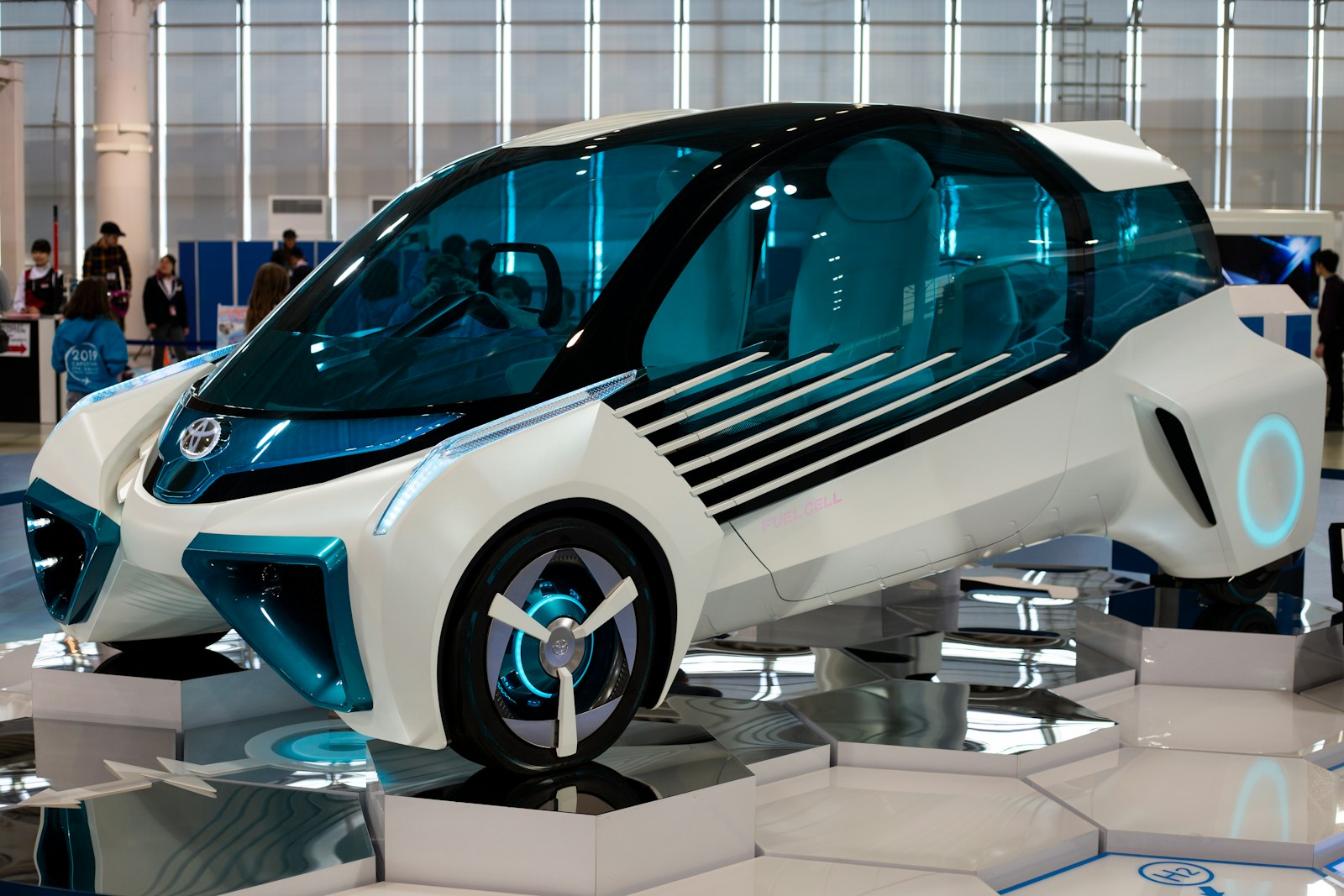

When a legacy oil refiner starts pouring money into the battery tech that could make gasoline obsolete, the energy transition stops being theoretical and starts getting very real. That is exactly what is happening in Japan, where Idemitsu Kosan is throwing its weight behind Toyota’s push to commercialize all solid-state batteries for electric vehicles. The partnership turns Toyota’s long-running solid-state research into a full industrial project, with a Japanese oil giant now helping to build the supply chain that could power the company’s next generation of EVs.
The bet is huge on both sides. For Toyota, solid-state cells promise longer range, faster charging, and a chance to leapfrog rivals that beat it to market with early EVs. For Idemitsu Kosan, the move is a hedge against a world that burns less crude, and a way to turn decades of materials know-how into a new business line instead of a stranded asset.
From lab dream to “620-Mile” business plan
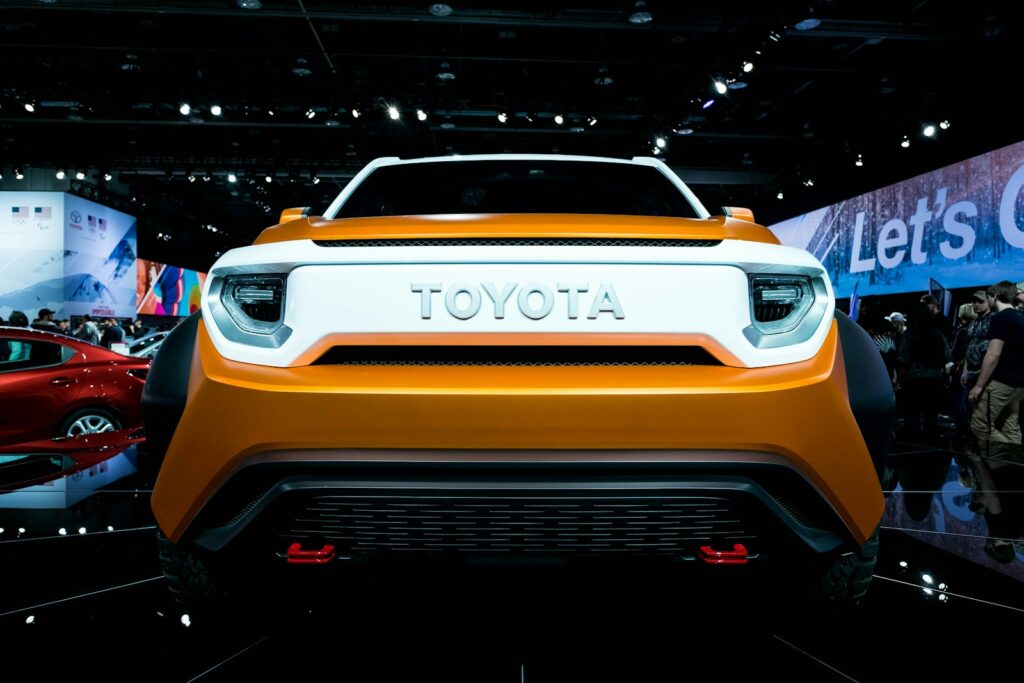
Toyota has been talking up solid-state batteries for years, but the plan has sharpened into something that looks like a real product roadmap. The company is now openly targeting EVs that can travel a quoted 620-Mile range on a single charge, a figure that would put highway anxiety firmly in the rearview mirror. Those same packs are expected to support much quicker top-ups than today’s lithium-ion cells, with Toyota’s own comparisons pointing to roughly 20-minute 10-to-80 percent fast charges for future packs that use similar chemistry. The company has framed this as a way to deliver both long legs and short pit stops, a combination that current EVs still struggle to balance.
Crucially, Toyota is not just dangling far-off concepts. The automaker has said its first solid-state EVs are expected by 2027 or 202, and it has repeatedly described those packs as the “World’s first” practical all solid-state batteries for mass-market EVs. The Japanese automaker is positioning that launch window as a turning point, with World and Toyota both casting the technology as a way to reset expectations around range and charging.
Why an oil refiner is suddenly a battery kingmaker
Enter Idemitsu Kosan, Japan’s No. 2 oil refiner, which is now central to turning that roadmap into hardware. In TOKYO, the company has confirmed plans to build a pilot plant for solid electrolytes, the core material that lets all-solid-state batteries move ions without using flammable liquid. The decision, described by Reuters as a final investment step taken on a Thursday, is explicitly tied to supplying solid-state batteries for Toyota’s EVs. For Idemitsu Kosan, this is not a side hustle. It is a bet that its refining expertise, chemical processing skills, and existing industrial footprint can be repurposed for a battery era.
The move builds on a formal cooperation agreement between the two companies, laid out when Idemitsu and Toyota toward Mass Production of All, Solid, State Batteries for battery electric vehicles. That deal, which highlights Idemitsu K as a key partner, effectively turns the refiner into a battery materials supplier. It also explains why Japanese policymakers have been comfortable describing Idemitsu Kosan as a national asset in the race to secure next generation energy technology, rather than just a fossil fuel holdout.
Building the factories that turn hype into hardware
Partnership papers are one thing, shovels in the ground are another. On the industrial side, Toyota’s partner has already broken ground on a solid electrolyte plant for all-solid-state EV batteries, with the Japanese oil giant Idemitsu Kosan moving ahead after local authorities approved the planned construction site. The project, described as a facility for Toyota partner production, is designed to scale up the very materials that have so far kept solid-state tech stuck in the lab.
On Toyota’s side, executives have been clear that this is about moving from prototypes to volume. Reporting on the new electrolyte factory notes that Toyota, Idemitsu are working together to move solid-state battery tech from lab to production scale, a shift that “turns hype into hardware” by locking in real capacity. The same theme runs through coverage of how Toyota’s all-solid-state EV battery plans just got a lift from Japan’s oil giant, with Toyota, Japan, Japanese, and Idemitsu Kosan all cited as central players in building out the supply chain for all-solid-state EV batteries.
Chasing a global standard for the “EV Holy Grail”
Both companies know they are not the only ones chasing solid-state cells, so they are trying to shape the rules of the game while they build it. Idemitsu and Toyota Team Up to Create Global Standard, Solid, State Batteries, a move that aims to lock in common specifications for materials and manufacturing. The idea is that if All-solid-state batteries are going to be the industry’s next platform, then Japanese firms should help define how those packs are built, tested, and certified worldwide.
The strategy leans heavily on the companies’ long-running technical collaboration. Since 2013, Toyota’s partner in solid electrolytes has been Idemitsu, which has worked on developing a material that demonstrates high performance, according to the detailed cooperation note at Mass Production of, Solid, State Batteries for BEVs. That history helps explain why Toyota is comfortable talking about The EV Holy Grail Is Getting Closer, with EV Holy Grail and Solid-state batteries both framed as the holy grail of electric vehicle technology in coverage of the Japanese Oil Giant Backs Toyota’s Solid-State EV Ambitions.
What solid-state actually promises for drivers
Strip away the corporate strategy and the pitch to drivers is simple: more range, less waiting, and better safety. Solid-state battery (SSB) technology replaces the liquid electrolyte in today’s packs with a solid material, which cuts fire risk and opens the door to higher energy density. Analysts routinely describe Solid SSB cells as the “electric-vehicle brass ring” because they promise longer range and faster charging in a smaller, lighter package, even if they have not yet appeared in a mainstream passenger car.
Toyota’s own comparisons highlight why the company is so fixated on this chemistry. Both current and next generation packs are being benchmarked around that 10-to-80 percent fast charge window, but the solid-state versions are expected to hit that mark in about 20 minutes while also delivering far more miles per charge. Coverage of Toyota’s breakthrough in solid-state batteries describes the technology as a Potential Game, Changer, with Potential Game Changer Solid packs framed as a step change rather than a minor tweak to existing lithium-ion designs.
More from Wilder Media Group: