
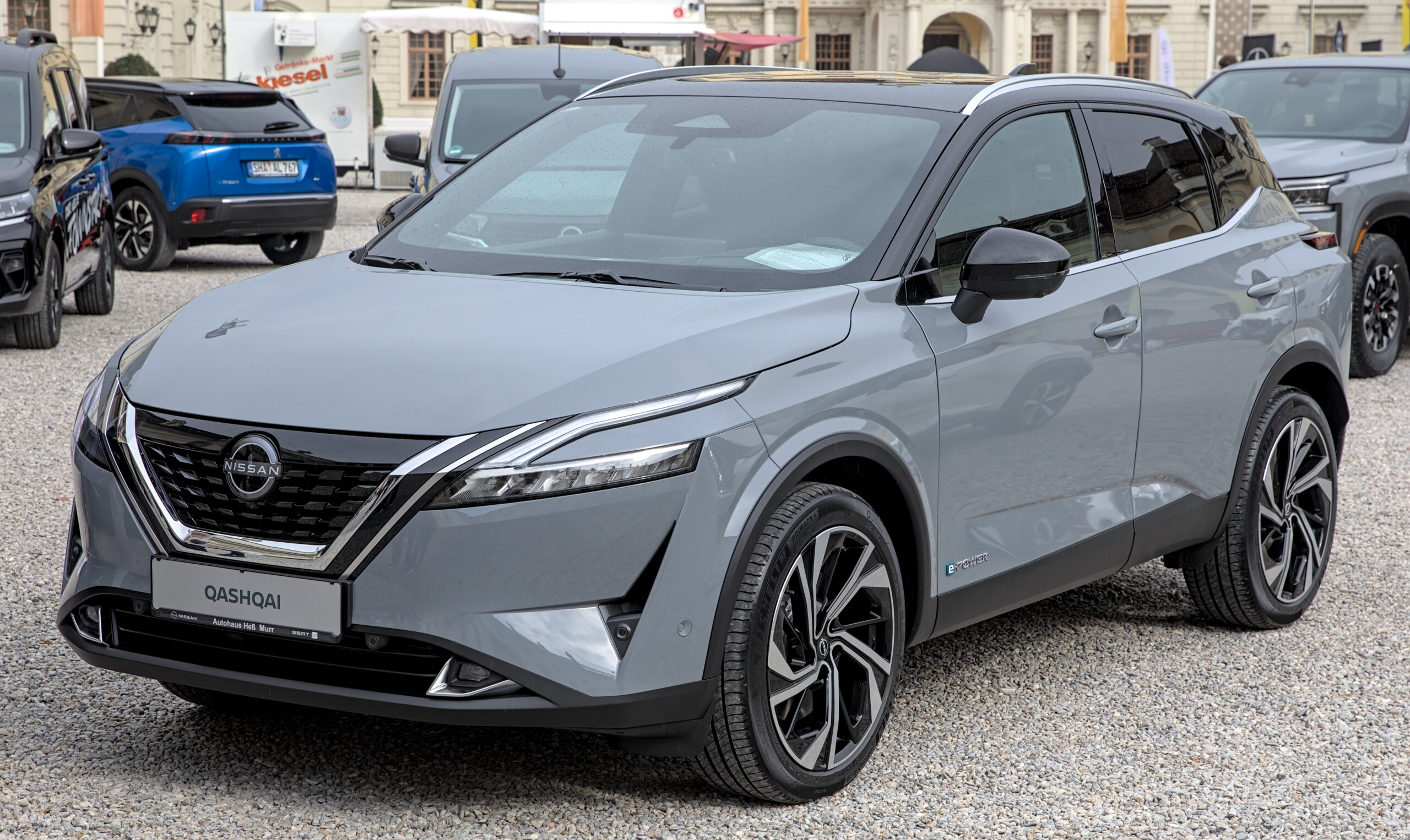

Nissan has spent years perfecting a hybrid system that feels like an electric car from behind the wheel, and now that tech is finally headed for American driveways. Instead of juggling a gas engine and electric motor the way traditional hybrids do, the company’s e-Power setup lets the motor do all the driving while the engine quietly works in the background. For U.S. shoppers who like the idea of an EV but are not ready to live around charging stations, that is a very deliberate play.
The move also signals how quickly the mainstream is shifting toward electric-style driving, even if the power source is still gasoline. Nissan is betting that a familiar fuel pump, paired with an EV-like experience, will be enough to pull in drivers who have been sitting on the fence about going fully electric.
How e-Power Actually Works
At the heart of e-Power is a simple but clever idea: the wheels are driven 100% of the time by an electric motor, while a gasoline engine acts only as a generator. In other words, the car always drives electric, but it carries its own power plant instead of relying on a plug. That is why early coverage described it as a hybrid that always drives electric, with the gas engine tuned to run in a narrow, efficient band that helps the system deliver a strong fuel economy rating, especially in city driving, where stop and go traffic usually punishes conventional cars, as detailed in one early look at the Dec Power setup.
Because the engine never has to connect mechanically to the wheels, engineers can optimize it purely for generating electricity. Nissan’s own technical breakdown of the first generation system describes e-POWER as a unique electric-drive hybrid powertrain that integrates a high output battery, an inverter, and a motor with a small gasoline engine that runs at a constant, relatively low RPM during electrical power generation, which helps keep things smooth and quiet inside the cabin, according to POWER Nissan.
EV Feel, Without the Plug
The pitch here is not subtle: Nissan wants to give drivers the instant torque and calm cruising of an EV without asking them to install a charger or plan their lives around public plugs. Company materials frame Nissan e-POWER as the brand’s play for people who want the EV experience but do not have reliable home charging or easy access to a fast-charging network, a point made explicitly in coverage of Jan Nissan POWER. For apartment dwellers, street parkers, or anyone in a charging desert, that is a very specific pain point solved.
On the road, the system leans into the traits people like most about EVs. Nissan’s own description of the technology highlights the comfort of electric-motor drive and the way e-POWER offers powerful, smooth acceleration that feels very similar to a battery electric car, with the motor delivering strong and seamless thrust from low speeds, as laid out in its overview of Powerful POWER. For drivers who have sampled an EV and loved the feel but worried about range or infrastructure, that combination is the hook.
From Japan To YOKOHAMA To America
e-POWER is not some brand new experiment; it is a technology that has already been proven in other markets before Nissan decided to bring it stateside. The company has said its 100% electric motor-driven e-POWER technology reached a global milestone after rolling out in Japan and other regions, describing how Nissan’s e‑POWER system utilizes a gasoline engine to generate electricity for the system’s e-powertrain while the motor alone drives the wheels, in a statement from Feb Nissan POWER. That track record matters, because American buyers are not being asked to beta test a fresh idea.
The U.S. launch timing has already seen some behind-the-scenes maneuvering. Reporting on Nissan’s product plans noted that the company finally confirmed the third generation of its globally popular e-Power hybrid setup would come to the American market, but that the brand is now walking back an earlier promise on pricing, suggesting those hotly anticipated hybrids will likely cost more than initially hinted, according to coverage that opened with the line “Earlier this year, Nissan finally confirmed” the plan for Earlier Nissan Power. That mix of global experience and shifting pricing expectations sets the stage for how the technology will be positioned here.
The Rogue, The Nissan Qashqai, And First Impressions
For American shoppers, the first taste of this tech is expected to come in a very familiar wrapper. Industry reporting has said Nissan moved up the U.S. launch of the Rogue e-Power hybrid to 2026, after initially planning it for a later window, with the compact crossover chosen as the lead vehicle for the system in this market, according to a Oct News Nissan briefing. Slotting e-Power into the Rogue, a core family model, signals that this is not meant to be a niche science project.
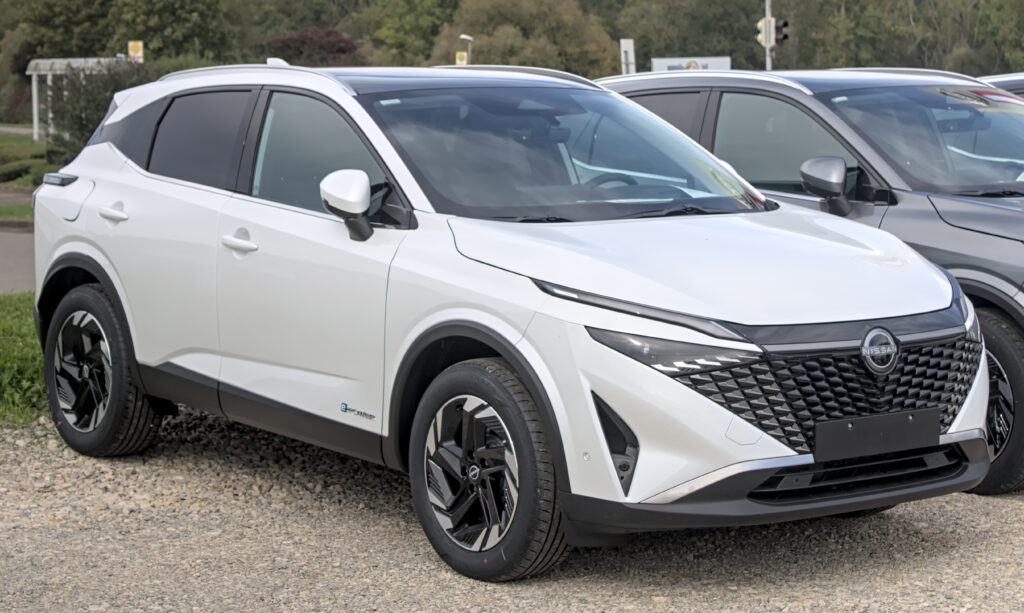
Outside the U.S., the same basic hardware has already been tested in the Nissan Qashqai, a compact crossover that previously sold here as the Rogue Sport. A video walkaround of the system notes that this is the Nissan Qashqai and that it used to live in the U.S. as the Rogue Sport, but not anymore, before diving into how the serial hybrid behaves on the road, as seen in a short review of the Dec Nissan Qashqai. Those early impressions, focused on smooth acceleration and quiet running, are effectively a preview of what American Rogue buyers can expect once the e-Power version lands.
Why It Matters For Hybrid Shoppers
The arrival of this system in America is not just another trim level; it subtly rewrites what “hybrid” means for a lot of people. Traditional setups split the work between engine and motor, which can make the driving experience feel like a compromise. By contrast, Nissan’s e-Power was described as a pretty clever bit of tech and one of the first range-extended style hybrids to be sold at scale, with early test drives reporting that the first impressions were promising enough to justify the hype around it finally coming to the U.S., according to coverage of the technology’s next chapter in Feb Power Finally. For buyers cross-shopping regular hybrids, plug-in hybrids, and full EVs, that is a new flavor in the mix.
There is also a broader strategic angle. Nissan has been working to carve out a distinct identity in electrification, and e-POWER is a big part of that, sitting alongside its full battery electric models as a bridge technology. The company’s own materials emphasize that e-POWER delivers a responsive and quiet drive like an EV while still using gasoline as the energy source, which lets the brand speak to both early adopters and cautious converts at the same time, as outlined in its technical overview of POWER Nissan. For shoppers, that means one more way to get an electric-style commute without having to fully cut the cord to the pump just yet.
More from Wilder Media Group: