

Affordable sports cars used to be the easy answer for anyone who wanted real handling without a supercar budget. Now the Mazda Miata, Subaru BRZ, and revived Honda Prelude are quietly spelling out how much that answer has changed. Together they show a market where prices are up, expectations are higher, and survival depends on clever strategy instead of sheer volume.
The brutal part is simple: the fun is still there, but the definition of “affordable” has shifted under everyone’s feet. Each of these three coupes and roadsters is fighting to stay relevant in a world of crossovers, electrification, and rising costs, and the way they are doing it says a lot about where enthusiast cars go next.
Three cars, three survival plays
Look at the Miata, BRZ, and Prelude side by side and the pattern is hard to miss. The Miata leans on heritage and purity, the Subaru BRZ doubles down on track-focused value, and the Honda Prelude comes back as a tech-forward halo. Seen together, the Miata, BRZ, and Prelude are less a random trio and more a snapshot of how niche performance cars now have to justify their existence. They no longer live or die purely on sales charts, they survive by offering something a crossover cannot, even if that means accepting smaller numbers and higher prices.
Sales data for Affordable Sports Cars shows that this corner of the market has become a game of specialization. The Miata trades on light weight and open-air charm, the Subaru BRZ sells itself as the practical track toy, and the Honda coupe returns as a style and technology statement. In that context, the phrase “Three Cars, Three Survival Strategies” is not marketing fluff, it is a realistic description of how these nameplates are being positioned so they can keep existing at all.
Miata and BRZ: the “answer” just got pricier
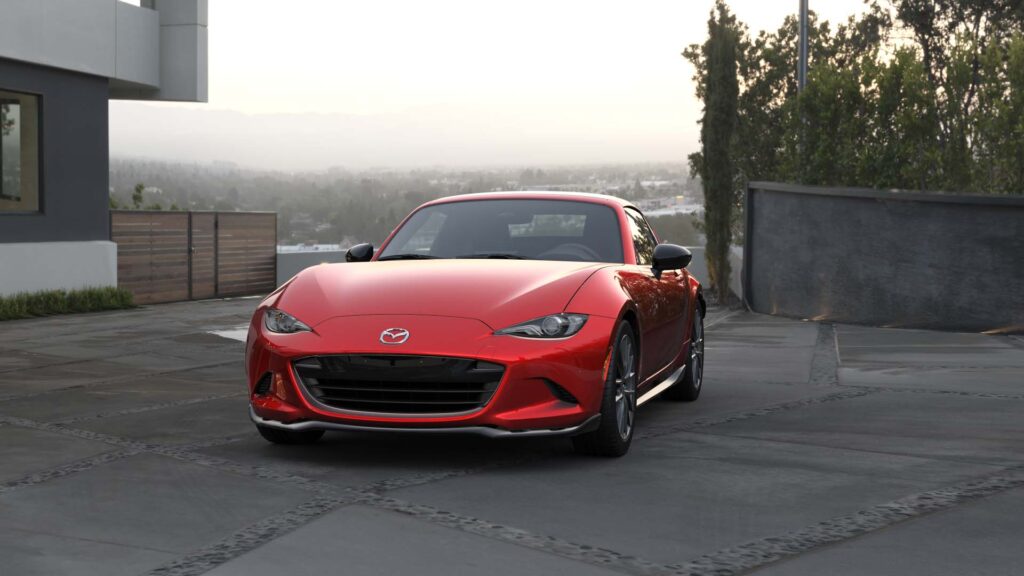
For years, enthusiasts joked that “Miata is always the answer,” and a recent feature from Cars and Bids leans into that idea with Filippo, Joe, and Ryan putting the Miata under the microscope to prove the point. Their take is simple: the Miata still delivers the kind of steering feel and balance that makes back roads feel like a track day, and it does it without needing huge power. That reputation is exactly why the car can afford to evolve slowly, keeping its formula intact while the rest of the industry chases bigger screens and bigger curb weights.
Even so, the price reality has shifted. Earlier this year, new pricing confirmed that the 2026 MX-5 Miata starts at $31,665, with the RF retractable roof version sitting higher. There are not a whole lot of changes to the 2026 car, with the focus on interior upgrades rather than a radical overhaul, which underlines the point that buyers are now paying more for essentially the same core experience. The Miata is still the answer, but it is no longer the sub-$25,000 impulse buy it once was.
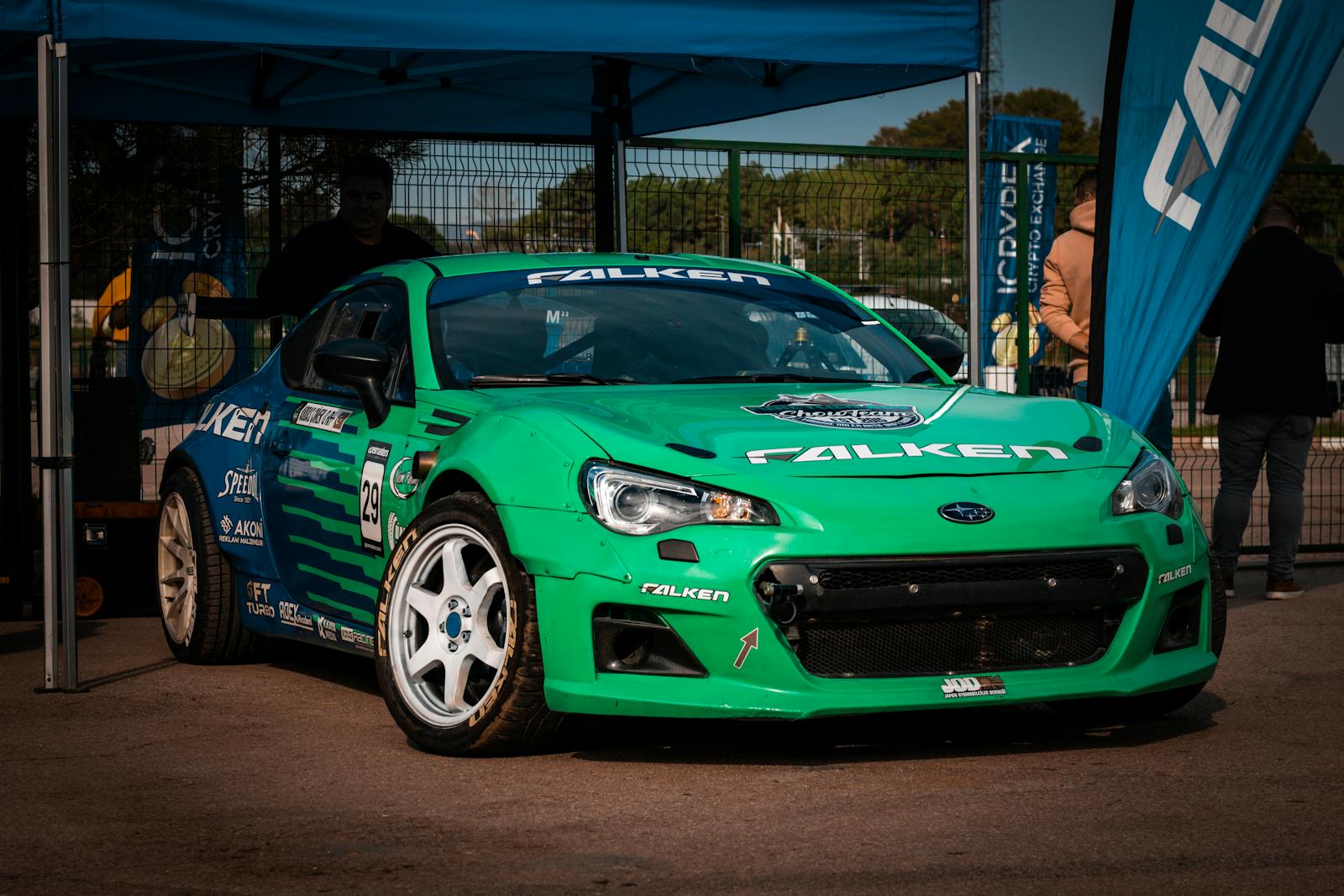
On the Subaru side, the BRZ has grown into the Miata’s hardtop foil, and some track junkies now argue that the real answer is the Subaru BRZ tS. A recent track test video flatly states that people say Miata is always the answer, then counters with a “hot take” that there is another answer called the Subaru BRZTS. That car leans into stiffer suspension, stronger brakes, and serious circuit capability, all while keeping the basic formula of a compact, naturally aspirated rear-drive coupe.
The catch is that the broader price floor has moved. A detailed look at the segment notes that there are now brand-new sports cars left under $30,000. The obvious choice used to be the venerable MX-5 for a shade under $24,000, while the Scion FR and Subaru BRZ were available for $26,750 and $29,990 respectively. Things are very different in the current market, and the fact that even the “budget” heroes now clear the $30,000 mark shows how much the definition of attainable performance has stretched.
Prelude’s comeback and what “affordable” means now
Into this landscape walks the Honda Prelude, a nameplate that had been dormant since 2001. The new 2026 Honda Prelude marks the sixth generation of the car, and for the first time since the early 2000s Honda is using the badge to court drivers who want a stylish coupe with modern tech. For the brand, the Prelude and its return are less about chasing Miata or BRZ sales and more about staking out a space where hybrid assistance, driver aids, and design can coexist with a familiar name from the tuner era.
Not everyone is convinced. A short early review calls the new model a confusing comeback and labels it the most controversial car of the year, even though it is barely even late Jan. The critique is blunt: this is not a supercar or a luxury car, yet expectations around the Prelude name are sky high, and some enthusiasts feel the modern interpretation does not fully live up to that legacy. That tension captures the new reality for Affordable Sports Cars, where nostalgia is powerful but buyers also expect cutting-edge features and performance that can justify a premium price.
More from Wilder Media Group: