
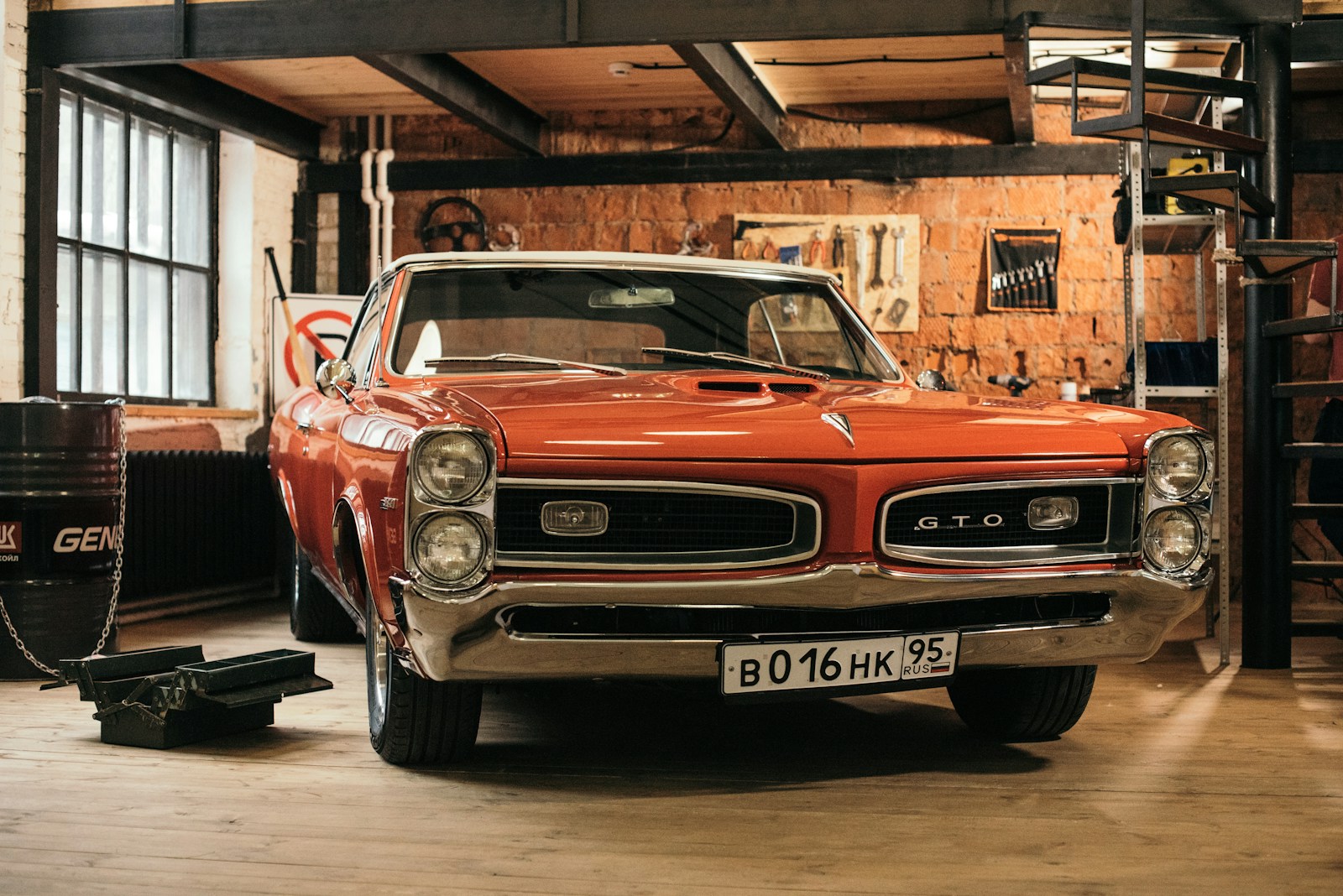

Rotisserie-restored muscle cars are the closest thing the car world has to time travel, and when the subject is a rare Pontiac GTO, the stakes jump a few notches. Strip a legend to bare metal, rebuild every nut and bolt, and you are not just saving a car, you are resurrecting a piece of American performance history. Done right, the result is exactly what this Pontiac promises: pure muscle car royalty, with the scars of age traded for factory-fresh swagger.
That kind of resurrection matters because the GTO is not just another old coupe with a big V8. It is the car that turned Pontiac into a street-fighting brand and helped define what “muscle car” even means. A meticulous, body-off restoration does more than make the paint shine, it reconnects the modern garage to the era when Detroit was locked in a horsepower arms race and Pontiac was swinging harder than almost anyone.
The GTO’s Crown as a Muscle Car Icon
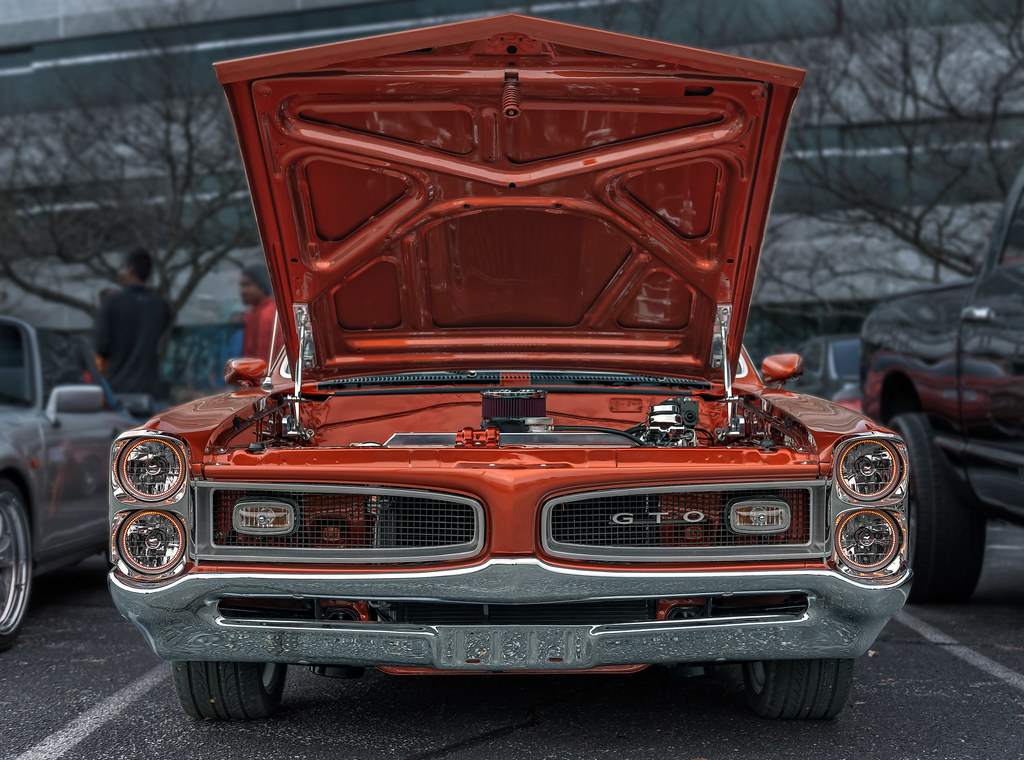
Before anyone can appreciate a rotisserie-restored Pontiac, they have to understand why the GTO sits on such a high pedestal. By the late 1960s and early 1970s, the GTO had evolved into one of the most aggressive and respected street machines on American roads, a car that blended big-displacement power with a mid-size body and a chip-on-the-shoulder attitude. That formula turned it into a benchmark, the car other manufacturers watched when they tuned their own quarter-mile terrors.
The legend did not appear out of thin air. Earlier in the decade, Pontiac engineers had already proven they could build fast, stylish cars, but the GTO sharpened that reputation into something almost mythic. It became the poster child for the phrase “legendary American muscle car,” a status that still shapes how collectors and restorers treat surviving examples today. When a car carries that kind of weight, every decision in a full restoration, from the shade of the paint to the texture of the interior vinyl, is judged against the legacy it helped create.
The 1966 Milestone That Made Pontiac Famous
Among all the model years, the 1966 Pontiac GTO stands out as a turning point, the moment the nameplate stopped being a hot new idea and became a cultural fixture. The 1966 Pontiac GTO is described as more than just a car, it is a milestone in muscle car history and one of the most collectible Pontiacs ever built. That year’s styling, with its stacked headlights and crisp body lines, locked in the visual identity that enthusiasts still picture when they hear the name.
What made that 1966 model so important was not only the way it looked but the way it backed up the attitude with serious performance hardware. Pontiac offered powerful engine options that gave the GTO real bite, and those choices helped cement the car’s reputation among buyers who wanted more than just stripes and badges. When restorers tackle a 1966 example today, they are working with a car that already carries the label of “one of the most collectible Pontiacs,” which raises the bar for authenticity and craftsmanship in any rotisserie rebuild.
Hank, Mopars, and a Rare Pontiac Worth Saving
Into that backdrop steps Hank, a lifelong gearhead with a particular love for classic American muscle cars. His heart usually belongs to 1960s Mopars, the kind of Chrysler and Dodge iron that defined a different corner of the horsepower wars, yet even he could not ignore the pull of a rare Pontiac GTO that crossed his path. Hank’s story underscores how a truly special car can make even a brand loyalist look across the aisle when the right combination of rarity and potential shows up.
The Pontiac that grabbed his attention was not just another driver-quality survivor. It was an ultra-rare example that justified the time, money, and obsession required for a full rotisserie restoration. While exact numbers on GTO production can be hard to pin down, this particular car’s scarcity was clear enough that Hank decided he could not walk away. As he weighed whether to sink any more money into the project, the car’s rarity and the broader reputation of American muscle legends tipped the scales toward saving it rather than parting it out.
What Rotisserie Restoration Really Means
Rotisserie restoration is not just a fancy phrase tossed around at auctions, it is a brutal, all-in process that treats the car like a patient on an operating table. The body is lifted off the frame, mounted on a rotating jig, and stripped down until there is nowhere left for rust or shoddy repairs to hide. Every panel, seam, and weld is exposed, which lets the builder correct decades of neglect and return the structure to the way Pontiac intended when the car first left the factory.
Once the shell is solid, the same level of scrutiny hits the mechanicals. The engine, transmission, suspension, and brakes are torn down, inspected, and either rebuilt or replaced with correct-spec parts. For a GTO that traces its roots back to the mid 1960s, that means honoring the original engineering that made the car famous while still taking advantage of modern techniques to ensure reliability. The result, when done properly, is a car that looks and feels like a brand-new classic, with the stance, sound, and road manners that made the GTO a legend in the first place.
Why This Pontiac Deserves the “Royalty” Tag
Put all of that together, and it becomes clear why a rotisserie-restored Pontiac like Hank’s earns the kind of reverence usually reserved for rare artwork. The GTO’s status as a legendary American muscle car, its pivotal role in making Pontiac a household name, and the specific significance of milestone years such as 1966 give any surviving example a built-in aura. When a restorer goes to the trouble of a full body-off rebuild, they are not just chasing shine, they are preserving a chapter of automotive history that helped define an era.
That is why enthusiasts talk about cars like this in almost royal terms. A rare GTO that has been stripped to bare metal, corrected, and rebuilt with care becomes a rolling reference point for what Detroit performance once meant. It bridges the gap between the raw, unfiltered energy of the late 1960s and early 1970s and the modern world, where those same lines and badges still trigger instant recognition. In that sense, a rotisserie-restored Pontiac is not just a showpiece, it is a crown jewel in the broader story of American muscle.
More from Wilder Media Group: