
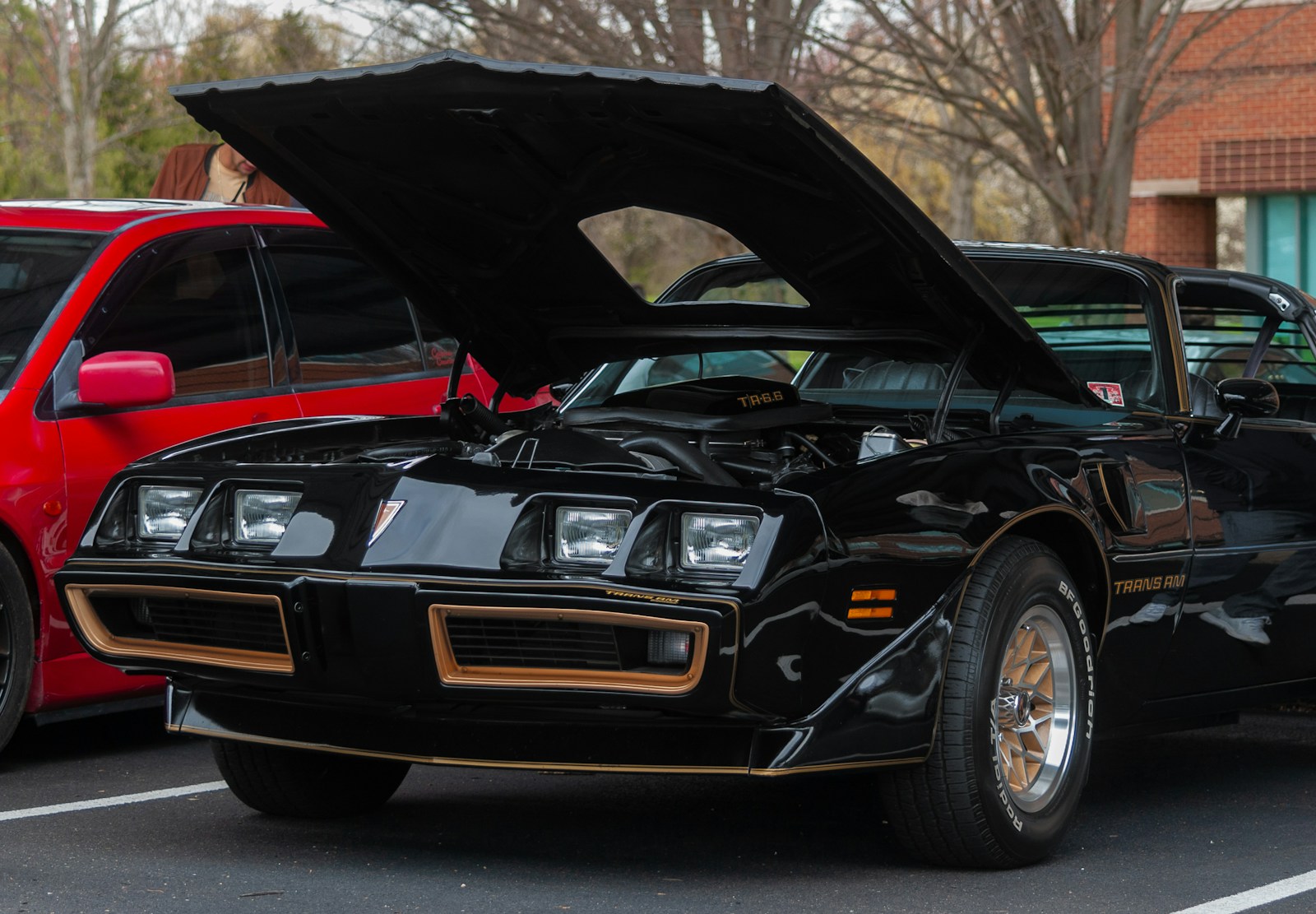

Pontiac’s first crack at a turbocharged muscle car arrived right as traditional V8 power was getting strangled, and it quietly rewrote the brand’s performance playbook. Today that experiment survives in the Turbo Trans Am, a car that blended boost, late‑malaise styling, and surprising engineering ambition, yet still trades hands for used‑Camry money instead of big‑block GTO cash. For anyone who likes their American performance a little left‑field, it is one of the cheapest tickets into a genuinely historic drivetrain.
Ask most enthusiasts about classic Pontiac performance and they will rattle off GTOs, 455 Firebirds, maybe a Judge or two, long before they remember the boosted Trans Am that tried to drag the brand into the 1980s. That amnesia is exactly what keeps prices low, even as collectors chase earlier icons and pay real money for clean metal. The result is a nearly forgotten turbo car that still looks like a movie poster and offers a very different flavor of Pontiac speed.
How Pontiac Ended Up Building a Turbo Trans Am
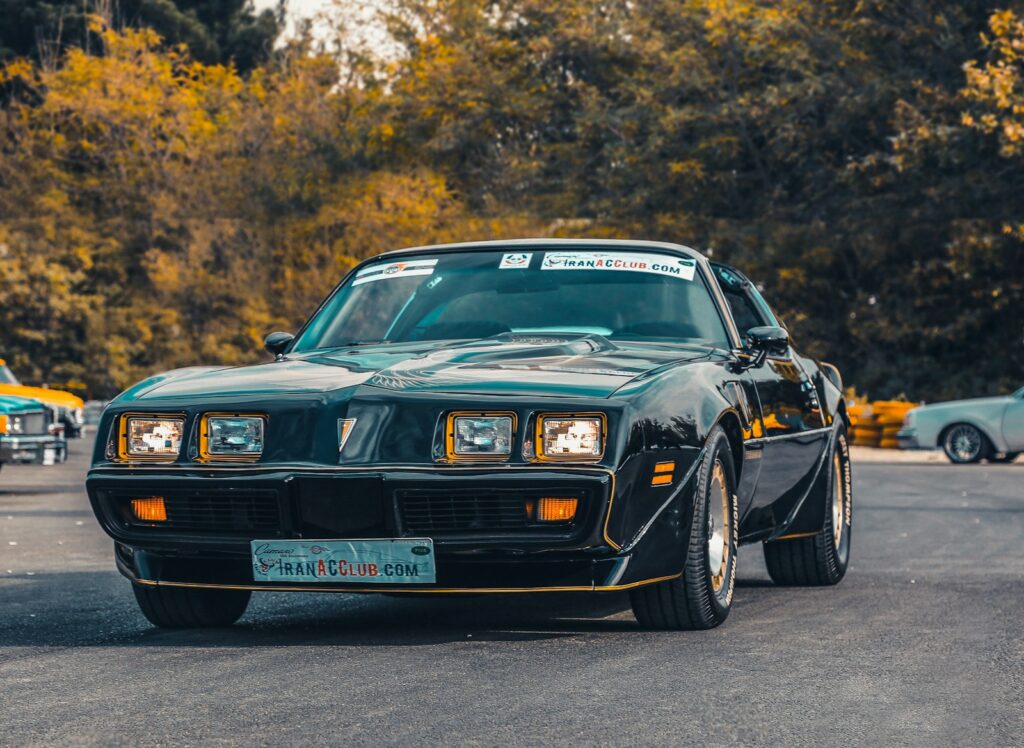
By the late 1970s, muscle cars were getting hammered by tightening Government rules on emissions and fuel economy, and the old formula of ever‑bigger cubes was no longer viable. Pontiac’s answer was to shrink displacement and lean on technology, which is how the 1978 Pontiac Firebird Turbo Trans Am emerged as Pontiac’s first turbocharged muscle car, a boosted outlier in a lineup better known for naturally aspirated torque. Reporting on that car notes how it tried to keep pace with European performance machines of the era while still wearing a screaming chicken on the hood, a balancing act that set the stage for the more famous Turbo Trans Am that followed a couple of years later.
Under the skin, Pontiac’s engineers built their new forced‑induction identity around the Pontiac 301 Turbo, a compact V8 that traded brute size for boost. The 301 cubic inch layout was a clear break from the big‑block tradition, and it turned the Trans Am into a test bed for turbocharging at a time when most Detroit performance was either dying or pretending to be European. That context is why later coverage describes the 1980 Pontiac Firebird Trans Am Turbo as the “First Turbocharged Pontiac,” a car that tried to keep the brand relevant in a changing market.
The Hardware: Turbo V8, Radical Styling, And Real Performance
When the 1980 model year rolled around, Pontiac doubled down with the 1980 Pontiac Firebird Trans Am Turbo, often simply called the Pontiac Turbo Trans. It has been described as America’s first muscle car with a turbocharged V8, a milestone that put it in rare company at home and abroad. The car’s signature look, captured in period images of the Pontiac Firebird Trans Am Turbo Front Three Quarter, combined the familiar second‑gen F‑body stance with hood bulges and graphics that loudly advertised the boost hiding underneath. Auction listings from places like Mecum Auctions still lean heavily on that visual drama to sell the car’s story.
The mechanical recipe evolved again for the early 1980s, with the 1981 Pontiac Firebird Turbo showcasing a turbocharged 4.9-liter V8 that tried to blend traditional low‑end shove with the new world of boost. Contemporary enthusiasts now look back on this package as ahead of its time, a view echoed in coverage that calls the Turbo Trans Am Pontiac’s forward‑looking 1980s muscle car and notes how it was offered as the sole drivetrain choice in certain trims. One detailed feature on the car’s development even frames it as part of a broader story of how GM’s history with performance technology zig‑zagged through the 1980s.
Cheap, Overlooked, And Hiding In Plain Sight
Despite that engineering significance, the turbocharged Firebirds have never commanded the same money as earlier big‑cube Pontiacs. Coverage that bluntly calls The First Turbocharged Pontiac Muscle Car Is Cheap And Forgotten points out that the late 1970s were not kind to muscle cars, and that reputation still drags on values today. Ask most people to name a classic Pontiac and they will go straight to a GTO or a 455 Trans Am, which is why the boosted Firebird is often described as a future that almost happened rather than a fully embraced icon. That gap between historical importance and mainstream recognition is exactly what keeps the car within reach for younger enthusiasts.
Price comparisons tell the story. On one side of the market, a 1968 Pontiac GTO Convertible with a YS 400, PX Auto, 10‑bolt 3:36 Nodular Posi rear axle and Pre‑Owned condition is listed at $16,000.00 with 131 watchers, a snapshot of how much attention classic Pontiac muscle still commands. On the other side, coverage of the turbocharged Firebirds repeatedly stresses how affordable they remain, with The First Turbocharged Pontiac Muscle Car Is Cheap And Forgotten framing them as one of the least expensive ways to buy into a real piece of American performance history.
More from Wilder Media Group: