
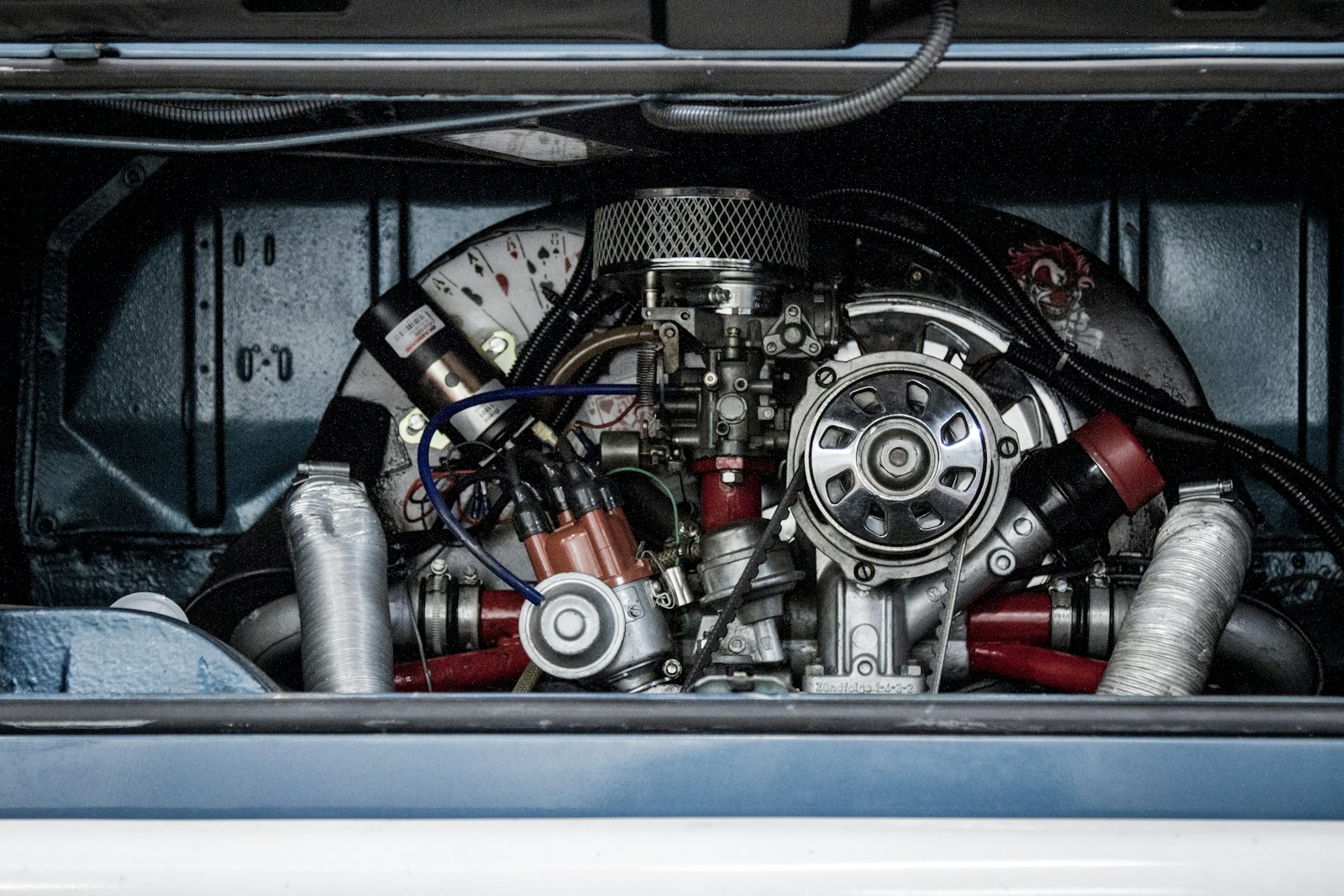

Pop the hood on a classic Mazda RX-7 or RX-8 and the engine bay looks oddly empty. That is the charm of the rotary engine: a compact lump of metal that trades pistons and valves for a spinning triangle and a peanut-shaped housing. It still runs the same four-stroke combustion cycle as a regular engine, but it does it in a completely different way that changes how it feels, sounds, and wears out.
To understand why enthusiasts obsess over this design, it helps to see how the layout bends the usual rules of engine building. The rotary’s strange geometry, smooth motion, and high rev ceiling all flow from the same basic idea, and so do its quirks with fuel use, emissions, and longevity.
Inside the spinning triangle: how a rotary actually works
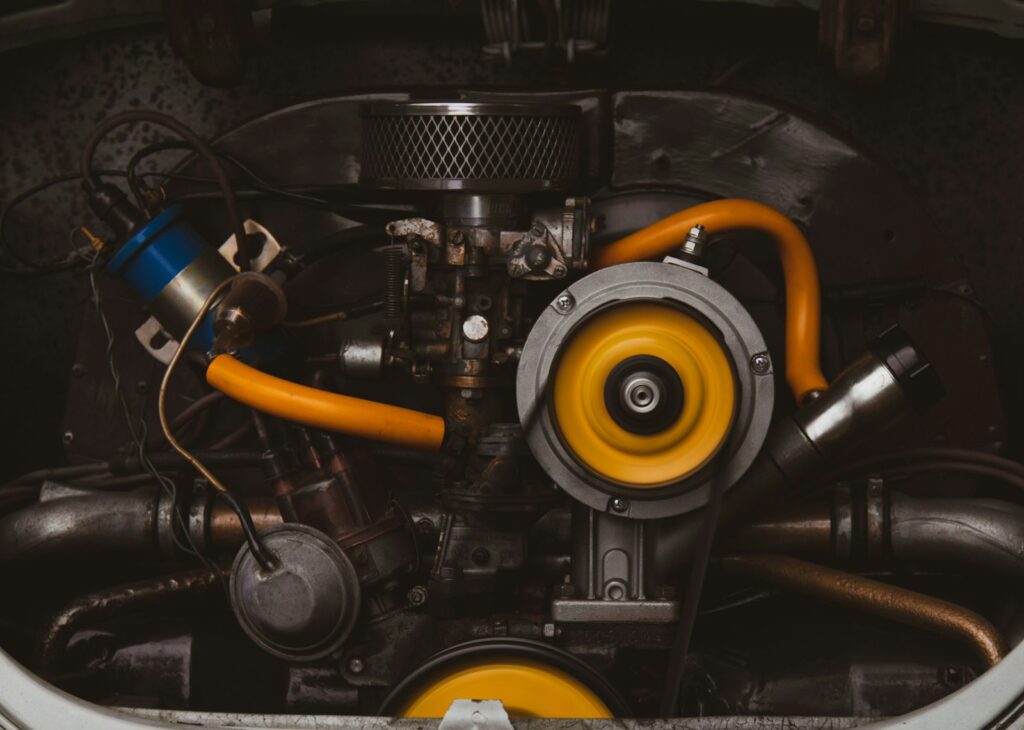
At the heart of a rotary engine is a triangular rotor that orbits inside an oval-like chamber instead of pistons hammering up and down in cylinders. As the rotor turns, its three faces sweep around the housing, creating three separate pockets of air and fuel that grow and shrink in a repeating pattern. Each pocket goes through the familiar intake, compression, combustion, and exhaust phases, but they are spread around the housing rather than stacked in a line of cylinders, which is why guides to the Rotary_engine describe the chamber as a continuous loop instead of discrete bores.
Because the rotor is always moving in one direction, the engine avoids the violent stops and starts that define a piston design. The housing is roughly oval, with ports for Intake and exhaust cut into its walls, so the rotor simply uncovers and covers these openings as it sweeps past. That is why explanations of the Basic Layout emphasize how the fuel‑air mix is pushed around the chamber by the triangular rotor rather than squeezed in and out of a cylinder by a connecting rod.
Each full spin of the rotor produces three power pulses, one on each face, so a small engine can deliver surprisingly steady torque. Technical explainers on Intake note that the cycle repeats three times per rotor revolution, which helps explain why a compact two-rotor unit can feel as eager as a much larger four-cylinder. The motion is converted to crankshaft rotation through an eccentric shaft, a setup that guides like Key Components describe as the rotary equivalent of a crank and rod assembly.
Why it feels so different from a piston engine
Line up a rotary next to a conventional four-stroke and the contrasts jump out immediately. A typical reciprocating unit has multiple pistons, connecting rods, a crankshaft, camshafts, valves, and a forest of ancillary hardware, which is why comparisons that ask What Is a Piston Engine stress its up‑and‑down motion and complex valve gear. By contrast, a rotary uses that single triangular rotor and an eccentric shaft, with ports around the perimeter instead of a valvetrain, a layout that summaries of the Wankel design highlight as a major simplification.
That simplicity pays off in smoothness. With no pistons reversing direction, there is less vibration, so drivers feel a silkier pull through the rev range. Overviews that look at How Do Rotor point to this smoother motion as a defining trait, and dealership explainers on Engine Anatomy describe how the lack of pistons cuts down on vibration while driving. That is part of why Mazda leaned so hard into the layout for its RX sports cars, and why fans still talk about the way these engines spin to redline with almost electric eagerness.
The compact size also changes how cars are packaged. Because the core assembly is small and light, manufacturers can mount it low and far back in the bay, improving weight distribution. Guides that ask What Makes the point out that this helps deliver strong horsepower per liter and a low center of gravity. Enthusiast pieces on High Revving Performance go further, arguing that the layout’s ability to spin freely is one of the most significant reasons drivers chase that rush of a sports car.
On the flip side, the rotary’s differences create their own headaches. The long, thin combustion chamber and moving apex seals make it harder to burn fuel cleanly, and the design tends to use more oil. Technical breakdowns that frame the debate as The Ultimate Showdown between Rotary and Piston Engines note that while piston units have more parts, they are easier to optimize for emissions and efficiency. That tradeoff is a big reason why most modern cars stick with reciprocating designs even as enthusiasts celebrate the rotary’s character.
The catch: durability, combustion quirks, and why most brands walked away
Ask any rotary owner about reliability and the conversation quickly turns to apex seals. These are the tiny strips at each corner of the rotor that have to maintain a tight seal against the housing while sliding at high speed. If they wear or chip, compression drops and the engine loses power. Contributors discussing Why rotaries have a short service life point out that while the moving parts do not change direction like pistons, the seals live a hard life sliding over ports and combustion deposits. That is a different failure mode from a piston engine, where wear is spread across rings, valves, and bearings.
More from Wilder Media Group: