
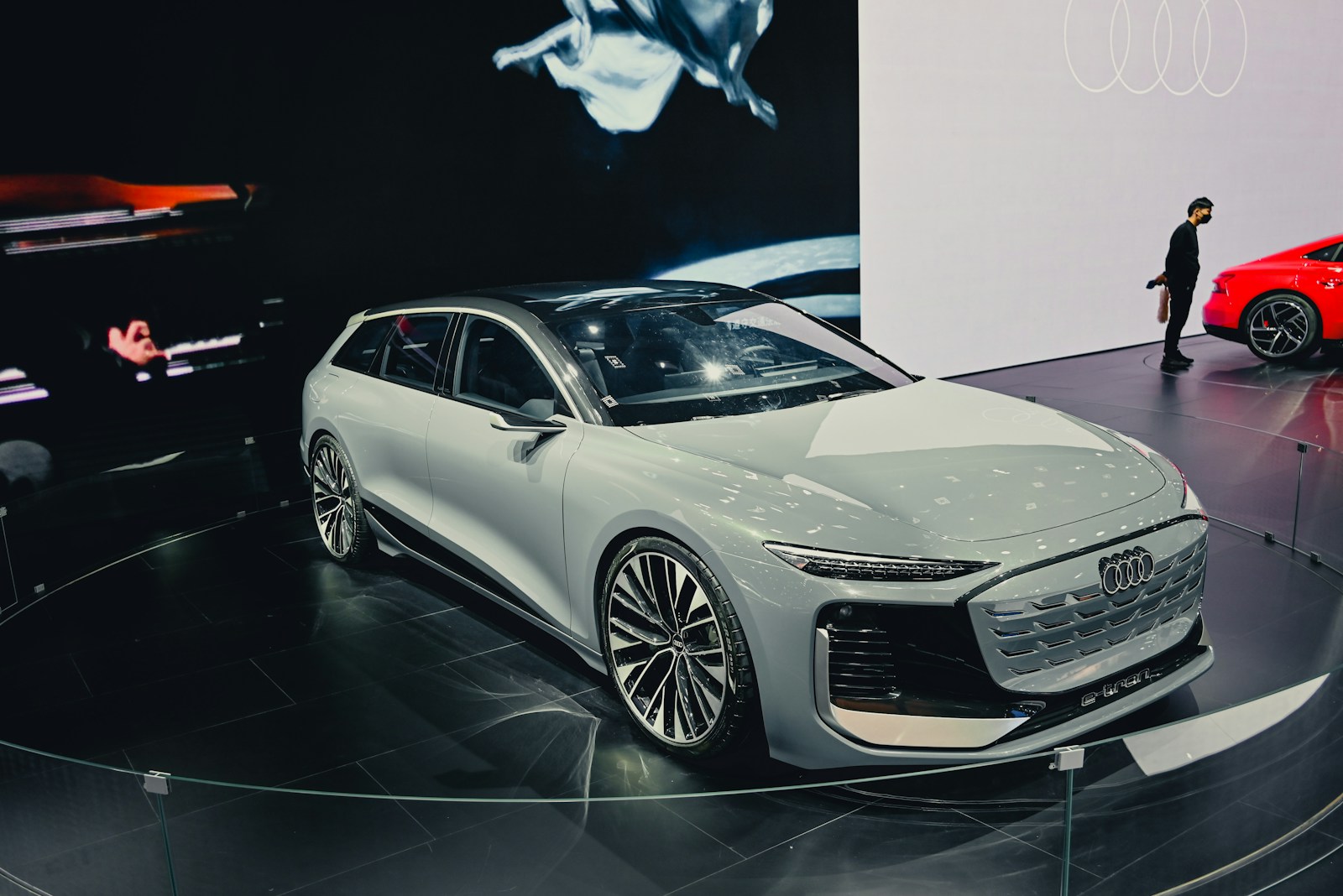

Audi’s midsize electric cars have quietly been some of the most livable EVs on the road, but for 2027 the brand is leaning hard into everyday usability. The A6 Sportback e-tron and Q6 e-tron are getting a round of updates that focus less on headline-grabbing range numbers and more on the stuff drivers touch, see, and swear at in traffic. The result is a pair of family-size EVs that feel less like tech experiments and more like well-sorted daily drivers.
Instead of chasing wild new concepts, Audi is tightening the screws on its existing PPE-based midsize lineup, from the way the infotainment behaves to how often owners need to visit a service bay. The company is betting that a calmer cabin, smarter driver assists, and lower running costs will matter more to shoppers than yet another tenth shaved off the 0 to 60 sprint.
A calmer, more physical cabin
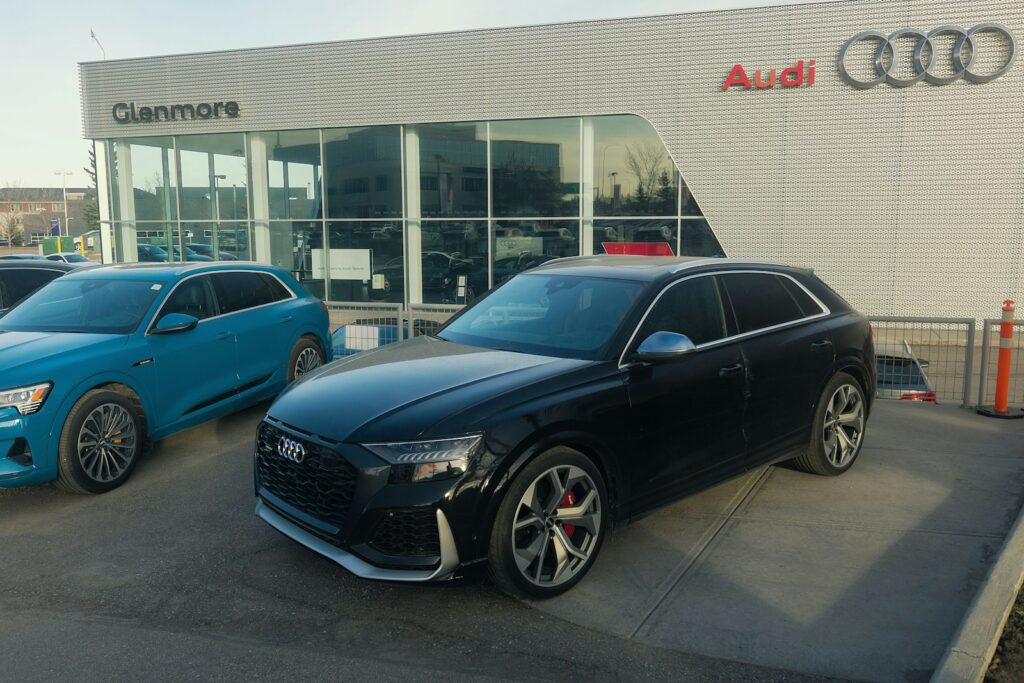
The headline change for the 2027 A6 Sportback e-tron and Q6 e-tron is inside, where Audi is walking back its all-screen obsession and bringing back more physical controls. The updated interiors introduce a new steering wheel design and a more tactile layout that gives drivers real buttons and switches for common tasks instead of burying everything in submenus. That shift is especially noticeable in these midsize models, which serve as family workhorses and road-trip machines rather than weekend toys, so the return of physical controls is less nostalgia and more quality-of-life upgrade for anyone who spends hours behind the wheel.
Alongside the hardware tweaks, Audi has refined the infotainment interface so it feels less like a smartphone blown up to dashboard size and more like a purpose-built in-car system. The company’s own description of the 2027 A6 Sportback e-tron and Q6 e-tron emphasizes a more user-friendly experience, with menus that are easier to navigate on the move and clearer separation between core driving functions and secondary apps. Those changes are part of a broader push to make the midsize EVs feel less intimidating to drivers who are still crossing over from gasoline models.
Customer-centric tech on the PPE platform
Under the skin, both the A6 Sportback e-tron and Q6 e-tron ride on Audi’s PPE architecture, a shared electric platform that is designed to support a wide range of body styles and performance levels. For the 2027 model year, Audi is not ripping up that foundation, it is layering on what it calls customer-centric updates that refine how the tech works in real life. That includes adjustments to the way the powertrain responds to throttle inputs, so acceleration feels more immediate and precise without the jumpy, on-off character that can make some EVs tiring to drive in traffic.
The same philosophy shows up in the driver assistance suite, where Audi has added and tuned features to better match how people actually use them on highways and in dense urban traffic. On the 2027 S6 Sportback e-tron, for example, the company highlights new assistance functions that are meant to step in more smoothly and communicate their actions more clearly to the driver. Those changes are part of a broader refresh for the PPE-based electric sedans and SUVs that Audi describes as customer focused, rather than purely spec-sheet driven.
Less screen stress, more intuitive driving
One of the biggest complaints about modern luxury cars is that they feel like tablets on wheels, and Audi seems to have taken that criticism to heart with these 2027 updates. The revised A6 e-tron and Q6 e-tron interiors are still tech-heavy, but the layout is more deliberate, with the most important information and controls placed where drivers naturally look and reach. The new steering wheel design is part of that rethink, integrating key functions in a way that reduces the need to poke at the center screen while the car is in motion.
That approach is especially important in midsize EVs that will spend plenty of time on school runs, commutes, and long highway stretches. Audi’s own reveal of the updated cabins for the 2027 A6 e-tron and Q6 e-tron lineups underscores how the brand is trying to reduce distraction and cognitive load, not just add more features. By pairing the physical controls with a cleaner digital layout, the company is positioning these models as EVs that are easier to live with day to day, rather than tech showcases that demand constant attention. The updated interiors, which Audi plans to roll out starting in the second quarter of 2026, are framed as a key step in making the Audi electric lineup feel more intuitive.
Ownership that feels less like a science project
Beyond the cabin and software tweaks, Audi is also trying to make ownership of these midsize EVs feel more familiar to drivers used to traditional premium sedans and SUVs. The company is pairing the 2027 A6 Sportback e-tron and Q6 e-tron with a scheduled maintenance package that covers key service items for a set mileage window, which helps demystify what it actually costs to run an electric Audi over the first years of ownership. For buyers who are still wary of EV maintenance, having that structure in place can be as reassuring as any range figure.
Those practical touches line up with the broader theme of the 2027 refresh, which is less about radical reinvention and more about sanding down the rough edges that can make early EV adopters feel like beta testers. By tightening up the PPE-based driving experience, dialing back the screen overload with more physical controls, and packaging service in a way that feels predictable, Audi is positioning the A6 Sportback e-tron and Q6 e-tron as electric cars that slot into daily life with minimal drama. For a lot of shoppers, that kind of quiet competence is exactly what will make these models worth a second look.
More from Wilder Media Group: