
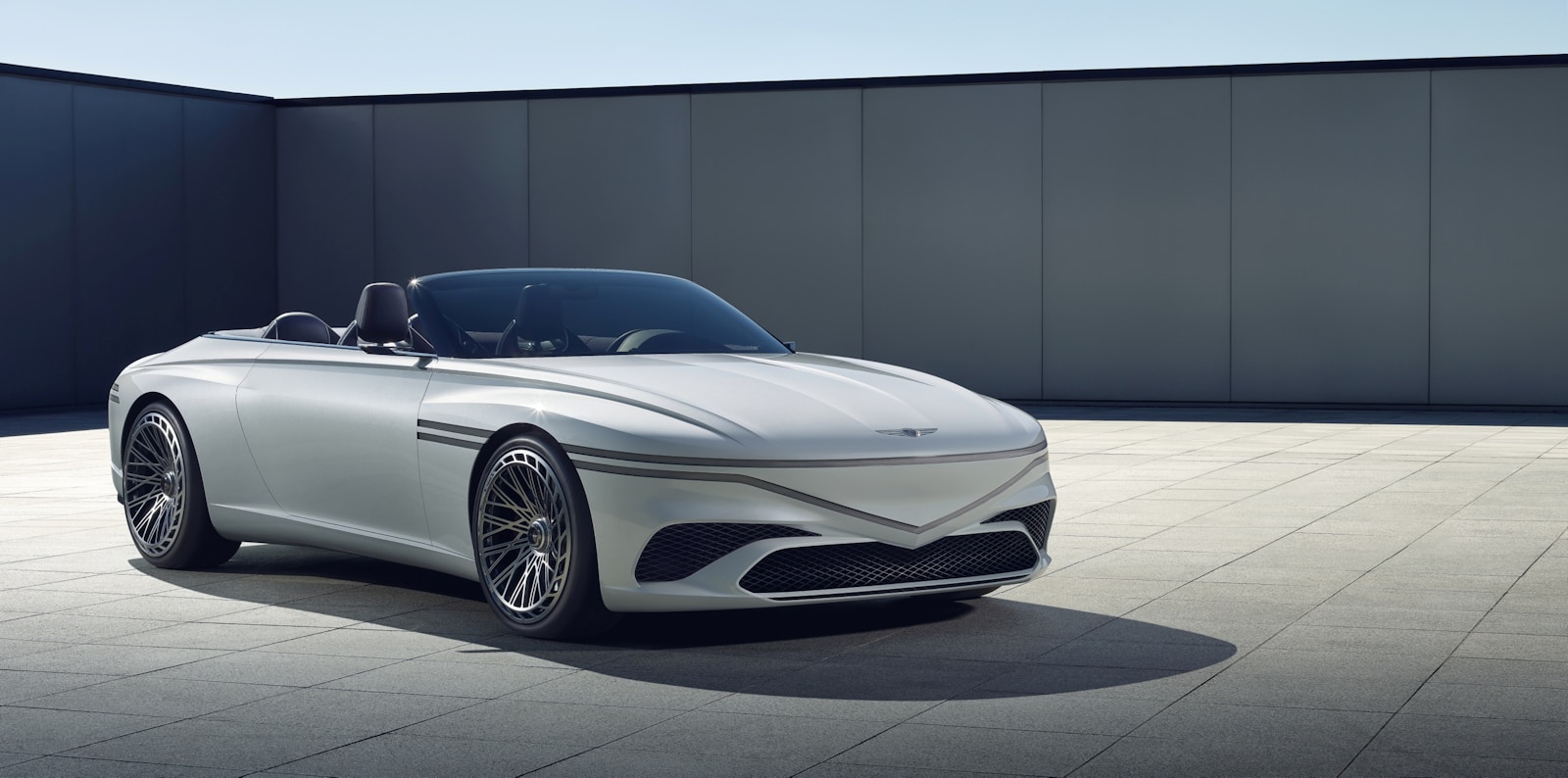

Genesis has spent the past few years acting like the luxury wing of a bigger machine, but that era is ending. With its own bespoke platform on the way and a rapidly growing retail footprint, the brand is finally stepping into the spotlight as a fully fledged luxury player. That shift is not just about new sheet metal, it is about changing how Genesis designs cars, sells them, and defines what modern premium performance looks like.
As Genesis moves into this next phase, the stakes are high. The company is betting that a tighter, more focused lineup and a distinct customer experience can cut through a crowded luxury market that has long been dominated by German badges and Japanese stalwarts. If it works, the move could redraw expectations for what a young luxury marque can achieve in barely a decade.

The leap to a dedicated platform changes the product game
The clearest sign that Genesis is done playing in anyone else’s sandbox is its decision to roll out a platform built from the ground up for its own cars. Instead of adapting architecture shared with Hyundai or Kia, the brand is preparing a dedicated foundation that will underpin a new generation of models, with the first arriving in the early 2030s according to Genesis. That move signals a shift from clever reengineering to clean-sheet thinking, the kind of step that historically separated true luxury marques from their mainstream parents.
Building a bespoke platform lets Genesis tune everything from wheelbase and suspension geometry to cabin packaging around its own priorities instead of compromise. It also gives engineers more freedom to integrate high performance drivetrains and advanced driver assistance in ways that feel cohesive rather than bolted on. The brand has already framed its identity around blending luxury craftsmanship with forward-looking technology, a balance it highlighted in a Dec recap of its recent high performance efforts, and a dedicated platform is the hardware expression of that philosophy.
Retail independence turns Genesis into a destination, not a side room
Product is only half of what makes a luxury brand feel truly standalone. The other half is what happens when a customer walks through the door, and Genesis has been quietly rewriting that script as well. The company announced that it has expanded to 68 dedicated retail facilities across the United States, a clear sign that it no longer wants its cars tucked into a corner of a Hyundai showroom. Those standalone spaces give the brand control over everything from lighting and lounge design to how test drives are handled, which is crucial when buyers are cross-shopping against established luxury names.
That physical separation also sends a psychological message. When a customer visits a Genesis-only store, they are not subconsciously comparing a G80 to an Elantra parked three feet away, they are judging it against the expectations set by the space itself. The company has framed this expansion as a way to showcase its award-winning product lineup on its own terms, and the move into 68 locations across the United States effectively turns Genesis into a destination rather than an add-on. For a brand trying to cement its identity, that kind of retail clarity is as important as any new engine or interface.
A focused luxury identity instead of chasing every niche
Becoming a true standalone brand does not mean Genesis suddenly wants to build a car for every possible buyer. In fact, the company has signaled the opposite, indicating that it is not interested in filling all 202 niches of the market just to rack up volume. That restraint is a strategic choice. By focusing on a tighter portfolio of sedans, SUVs, and performance variants, Genesis can pour more attention into design details, cabin materials, and driving character, the elements that actually make a luxury car feel special.
The brand’s recent storytelling around its cars has leaned heavily on contrasts between elegance and resilience, positioning its vehicles as both visually refined and dynamically capable, a theme it underscored in the Dec overview of its high performance push. That kind of clear, repeatable identity is easier to maintain when the lineup is curated rather than sprawling. Instead of chasing every micro-SUV and coupe-sedan mashup, Genesis is carving out a lane where craftsmanship, technology, and performance are tightly integrated, and where each model feels like a deliberate statement rather than a market reaction.
Put together, the dedicated platform, the 68 standalone stores in the United States, and the decision to avoid flooding the market with 202 different niche plays all point in the same direction. Genesis is no longer content to be the promising upstart attached to a mainstream giant. It is building the hardware, the spaces, and the brand discipline needed to stand on its own, and in the process, it is quietly rewriting what a modern luxury label can look like from the ground up.
More from Wilder Media Group: