
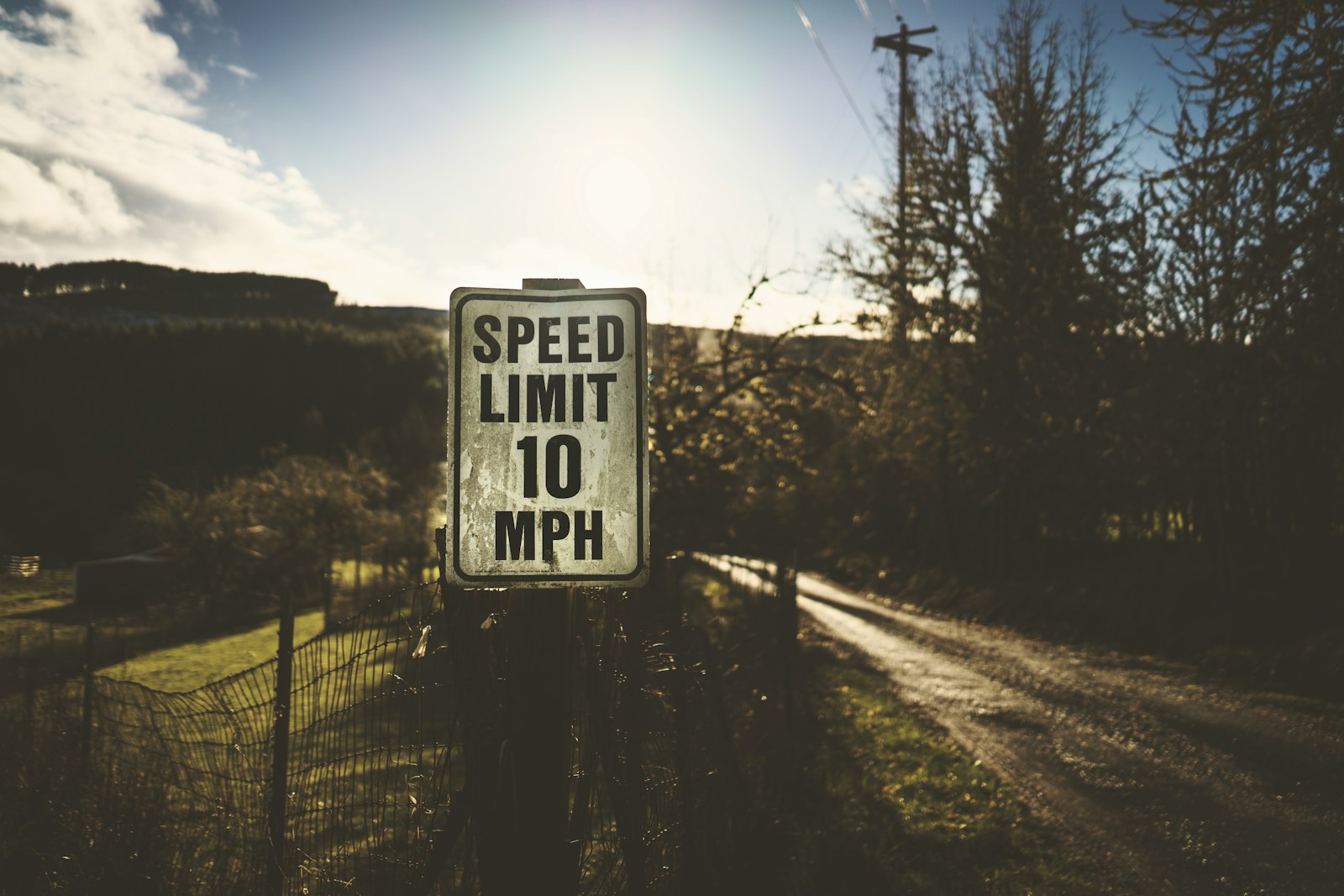

You’re hearing about another state pushing a 10 mph speed limit and wondering how it will change your daily drive and commute. This proposal aims to cut speeds in specific areas to reduce conflicts and injuries, but it also brings new fines, enforcement questions, and tech-driven controls that could affect how—and where—you drive.
Expect the post to explain why lawmakers are targeting low-speed zones, how similar measures have rolled out elsewhere, and what enforcement and vehicle technology changes might mean for your wallet and driving habits. Stay with the article to see which stretches of road or paths could be affected and how drivers are reacting.
What’s Behind the 10mph Speed Limit Movement?
Cities and states are lowering posted speeds to prioritize walking, biking, and street-level commerce, while also testing targeted design tools and legal changes to make those lower limits enforceable. You’ll see this trend framed around safety data, local planning goals, and new authority for municipalities to set unusually low limits on specific streets.
States and Cities Leading the Charge

Washington recently passed a law letting cities designate “shared streets” with a 10 mph cap, giving local agencies explicit authority to set those limits on non-arterial blocks. Read about the new shared-streets law and how jurisdictions can use it to create pedestrian-first zones.
Florida lawmakers have floated bills to limit speeds for certain e-bike and shared-street contexts, showing the idea isn’t limited to the Pacific Northwest. Nationally, cities like Seattle and planners who follow NACTO guidance have pushed designs—bollards, curb extensions, and timed closures—that pair with the legal change.
You’ll also encounter pilot programs and ordinances that target specific corridors: market streets, plazas, and neighborhood “healthy streets” where traffic calming plus a 10 mph rule aims to protect people walking and rolling.
Reasons for Reducing Speed Limits
You’ll hear three main arguments backing 10 mph limits: crash-severity reduction, placemaking, and legal clarity for shared spaces. Lower speeds sharply reduce the chance a pedestrian dies in a collision; every few miles per hour matter for survivability. That’s why public-safety advocates press for limits on streets with heavy foot traffic.
Placemaking and economic goals matter too. Slower speeds let cities convert streets into outdoor markets, loading zones, or calm neighborhood routes without full closure. Legal clarity is the third driver: laws that let localities choose 10 mph remove uncertainty about whether people can walk in the roadway or whether cyclists keep right, which helps cities design spaces intentionally.
You should also know about technology responses: speed governors and vehicle-assist systems are discussed as enforcement or manufacturer-side solutions in some proposals, though adoption varies by state and vehicle type.
Impact on Drivers and Public Safety
For drivers, a 10 mph limit narrows where you can legally drive at typical neighborhood speeds. Expect route changes, revised signage, and sometimes time-based rules (car-free hours vs. shared hours). That can frustrate commuters used to short-cuts, and enforcement practices will determine how strictly the limits alter daily driving.
On public safety, targeted 10 mph zones can cut severe collisions in high-pedestrian areas and support active transportation. Evidence from cities that piloted similar tools shows fewer serious injuries when design plus lower limits are combined. You’ll notice the biggest safety gains where engineering (curbs, chicanes), clear signage, and community outreach accompany the new limits rather than relying on signs alone.
How New Speed Limits and Technology Affect Drivers
New rules and devices change what you can do behind the wheel, how your car responds, and how officials enforce speed limits. Expect changes to vehicle behavior, your legal exposure, and daily travel times.
How Speed Governors Work
Speed governors use GPS, map databases, and camera recognition to determine the posted limit where your car is driving. The system compares that limit to your throttle input and intervenes by restricting engine torque, limiting fuel delivery, or modifying transmission behavior to keep speed within the allowed range.
Manufacturers implement governors differently. Some provide warnings first, then progressively impose a cap; others enforce limits immediately. Emergency vehicles and some fleet setups can receive exemptions or manual overrides, depending on state rules and manufacturer design.
You’ll notice two control modes: advisory (alerts only) and active limiting (prevents acceleration past a threshold, often 10 mph over the posted limit in recent bills). Expect compatibility issues with temporary or unclear signage, and occasional incorrect cap settings where map data lags.
Public Reaction to Stricter Speed Rules
Many drivers react negatively because governors change individual control over a vehicle and can feel intrusive. Commuters who value flexible overtaking or faster highway travel voice frustration about increased trip times and perceived inefficiency.
Advocates for the technology point to reduced high-speed crashes and lower severity in collisions. Local bike and pedestrian groups often support tighter enforcement, while auto-industry groups and some drivers argue for consumer choice rather than mandatory hardware.
You’ll also see political pushback in legislatures and legal challenges centered on privacy, vehicle modification rights, and whether states can mandate behavior through onboard tech. Public sentiment varies by region: urban areas with pedestrian concerns trend supportive, while rural drivers resist top-down speed controls.
Potential Pros and Cons for Everyday Drivers
Pros:
- Fewer high-speed events reduce crash severity and your chance of a deadly collision.
- Insurance discounts may appear for vehicles with enforced speed-limiting tech.
- Clearer compliance reduces tickets from speed traps where limits change abruptly.
Cons:
- You may experience longer trip times on roads where you previously averaged higher speeds.
- Governors can misinterpret temporary signs (construction or detours), forcing unnecessary slowdowns.
- Repair, calibration, or override disputes could add cost and hassle if manufacturers or shops must update map data or sensors.
Practical tips: check whether your insurer offers premium reductions for capped vehicles, learn override procedures for authorized emergency situations, and monitor manufacturer updates to map databases to avoid erroneous limiting. If you rely on highway commuting, test how a governor affects real-world travel before committing to a capped model.
More from Steel Horse Rides: