
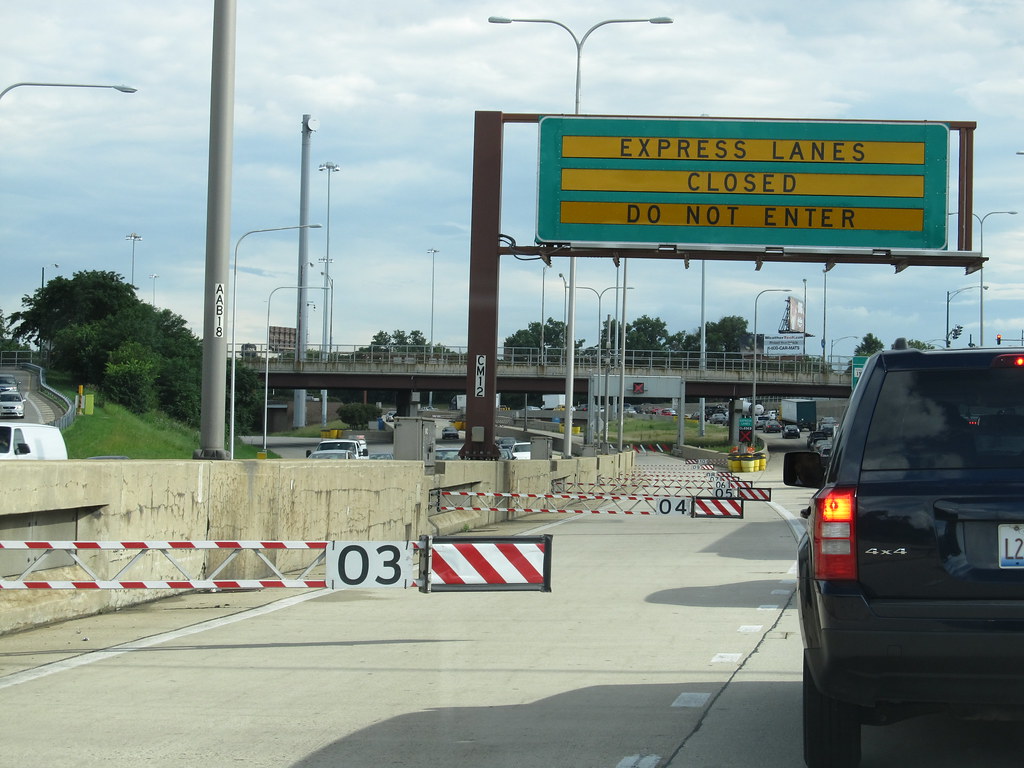

You’ll notice traffic bending to the will of technology as flex lanes start appearing on major highways, turning congested stretches into smoother flows during rush hours and incidents. Flex lanes open or close to match peak demand, giving your commute an extra lane when you need it most.
Expect a closer look at how these lanes operate, the smart signals and cameras that keep them safe, and what the changes mean for your daily drive. The next sections break down how traffic engineers plan, test, and run flex lanes so you can judge whether they’ll actually save you time and reduce frustration.
How Flex Lanes Promise Smoother Commutes
Flex lanes change lane capacity when you need it most, shift direction to match peak flows, and use gates, barriers, cameras, and signs to keep traffic moving safely. The I-17 project adds lanes and operational controls to reduce backups north of Phoenix and during holiday or weekend surges.
Overview of Flex Lanes and Their Purpose

Flex lanes are reversible travel lanes that open to the direction with heavier demand. You get more peak-direction capacity in the morning toward the city and in the evening away from it, reducing bottlenecks without permanently widening the whole freeway. They work best on corridors with strong directional peaks, like commuter flows into Phoenix.
These lanes sit next to existing lanes and include physical separation—usually a concrete median—and controlled entry points. You’ll see overhead signals indicating direction, swing gates at entrances, and net or barrier systems to stop wrong-way entries. Remote monitoring lets operators close lanes quickly for incidents.
The goal for you is more consistent speeds, fewer stop-and-go waves, and faster clearance after crashes. By reallocating existing pavement rather than adding permanent new lanes across the entire corridor, flex lanes can deliver capacity gains with lower right-of-way and construction impacts.
Who Is Behind the I-17 Improvement Project
The Arizona Department of Transportation (ADOT) leads the I-17 Improvement Project and manages operations for the flex lanes. ADOT secured federal funding and used a design-build-operate-maintain approach to speed delivery and include three years of operations in contractor work. That helped move the project faster than typical phased work.
Private engineering firms provided design and construction support; ADOT’s traffic operations center will control lane direction, cameras, and gates. You’ll see ADOT branding on project communications and videos explaining swing gates and crossover access. Project planning included widening 15 miles of roadway and adding eight miles of flex lanes between areas like Anthem Way and Sunset Point.
Community outreach and staged construction reduced travel impacts during work. ADOT set limited nighttime closures and avoided weekend full shutdowns, so you could still rely on I-17 while crews completed widening and bridge work.
Where Flex Lanes Are Being Installed
The primary installation sits on I-17 north of Phoenix, covering an eight-mile flex-lane segment within a broader 15-mile widening corridor. Key endpoints include Black Canyon City and Sunset Point, with the stretch serving commuters from Anthem Way south toward the metro area. The redesign also widened or replaced nearby bridges and added culverts and safety features.
Construction focused where directional congestion and holiday traffic produced the worst delays. You’ll encounter concrete median barriers separating the flex lanes from southbound lanes and swing-gate-controlled two-lane entrances for safe access. The layout also includes several steel median gates that open for emergency access or incident clearance.
This deployment targets both routine commuter congestion and heavy weekend/holiday flows to northern Arizona recreation areas. If you travel I-17 for work or leisure, the flex lanes aim to cut the longest delays on that stretch of interstate.
How Traffic Direction Is Managed Daily
ADOT decides lane direction using traffic data and predefined schedules, often running northbound most weekdays and Saturdays and southbound Sundays, with the ability to change for holidays or incidents. You’ll see real-time status on overhead signs; the system also allows remote switching from ADOT’s traffic operations center.
Entry control uses swing gates, net barriers, and overhead signals at dedicated access points. Steel median barrier gates are placed at intervals so emergency vehicles can enter the flex lanes quickly, and crews can clear lanes after incidents. Cameras and sensors feed continuous data to operators who change direction or close lanes when needed.
Operators follow safety protocols before reversing flow: they close entry points, verify lane clearance with cameras, open barrier gates as required, then update signage. That sequencing prevents wrong-way travel and helps you trust the lanes’ direction when you merge. For more on how ADOT explains gate and access operations, see ADOT’s animated overview of I-17 flex lanes (https://azdot.gov/news/new-animated-video-shows-how-i-17-flex-lanes-will-operate).
Safety Innovations and Smart Operations
You will see physical barriers, automated gates, and real-time monitoring working together to keep the reversible lanes safe and clear. These systems prioritize preventing wrong-way entries, quickly removing hazards, and giving operators control to switch lane direction safely.
Barriers, Gates, and Advanced Safety Features
A continuous concrete barrier separates the flex lanes from adjacent southbound traffic, reducing crossover crashes and limiting access points. At each end of the two-lane flex lane system, operators use an automated net barrier and multiple swing gates to physically block or open the roadway before changing direction.
Vehicle arresting features—such as reinforced mesh nets and backup steel gates—stop vehicles that attempt to enter against flow. The design includes clear signage and overhead lane signals synchronized with the gates so you get unambiguous visual cues before you merge.
Engineers also place impact-attenuating end terminals and reflective delineators along the concrete barriers. These elements slow errant vehicles and improve nighttime visibility, which reduces collision risk when the flex lanes switch directions.
How the Traffic Operations Center Monitors Lanes
Your flexible lanes are controlled remotely from a Traffic Operations Center that monitors cameras, sensors, and lane-status signs 24/7. Operators review real-time video feeds and vehicle-count data to decide when to open the lanes northbound or southbound.
When congestion patterns change, staff activate the automated swinging arm gates and net barriers only after confirming both ends are secured. The center also logs gate positions, camera timestamps, and speed data so crews can audit operations and refine timing.
If a sensor detects a stopped vehicle or a wrong-way approach, the system triggers immediate alerts and preprogrammed responses—flashing warnings, dynamic message signs, and automatic gate closures—helping you avoid entering a lane operating against you.
Emergency Access and Response Systems
In an incident, first responders access the flex lanes through designated crossover points and removable sections in the concrete barriers. These crossovers include engineered breakaway or temporary gate mechanisms so crews can enter quickly without compromising long-term barrier integrity.
The operations center coordinates with highway patrol and EMS, sharing live camera views and exact gate statuses so responders know lane direction and safe access routes before arrival. Tow and maintenance teams use pre-established protocols to deploy vehicle arresting barrier backups if a gate fails or a vehicle breaches the barrier.
You’ll also see built-in staging areas near crossovers that hold recovery vehicles and portable steel gates; crews use these to isolate the incident, reopen the flex lanes in the correct direction, and restore normal traffic flow.
More from Steel Horse Rides: