

A $19 million auto mall just cleared a major hurdle, and you’ll want to know what it means for car buying, local tax plans, and job growth. It will consolidate multiple dealerships into a single campus, speed up service and sales, and change traffic and development patterns on Mishawaka’s northeast side.
This approval signals a concrete investment in centralized car shopping that could lower your search time for vehicles while shifting who pays for road and utility upgrades. Expect a closer look at the project timeline, who’s funding which improvements, and how the city plans to use tax increment financing to support the build.
You’ll follow how the deal breaks down across phases, what completion dates to watch for, and the community impacts—everything from new jobs to changes in city revenue—so you can judge whether this kind of concentrated auto development benefits the local area.
Inside the $19 Million Auto Mall Approval
You’ll find who’s moving, where it will sit, how the city will pay, and what the construction timeline looks like. The city approved a plan that centers Gurley Leep’s consolidation on a 70‑acre site with phased infrastructure and financing laid out.
Key Details of the Project
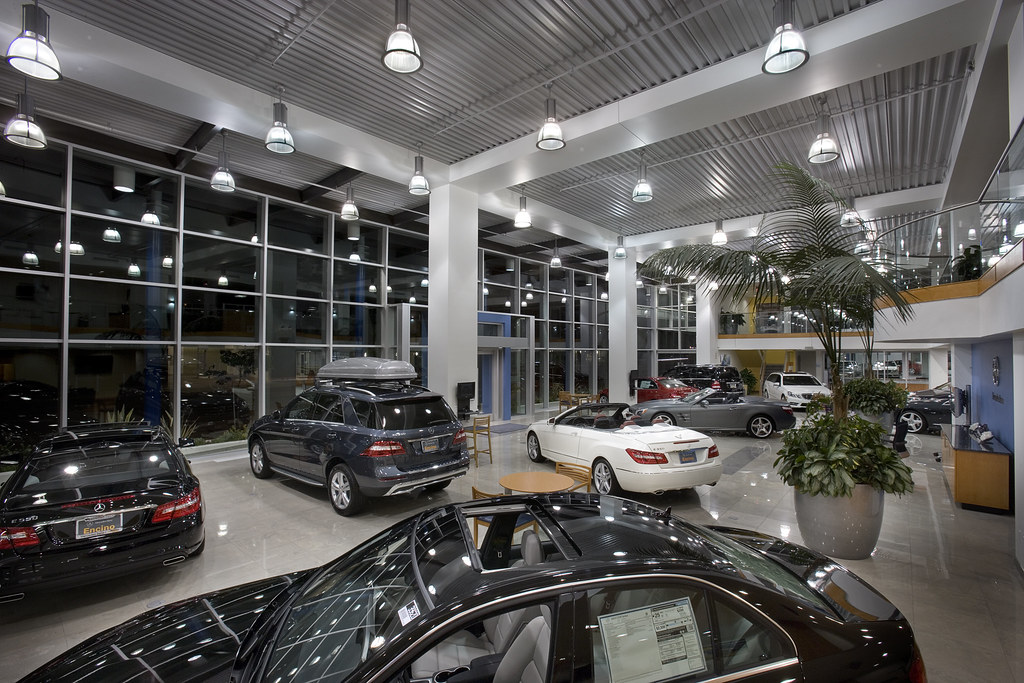
The Common Council approved a roughly $19 million development package for an auto mall spanning about 70 acres northwest of Capital Avenue and Cleveland Road in Mishawaka. You should expect the work to proceed in multiple phases: utility extensions, road improvements, and a final phase that includes a Veteran’s Parkway extension. City statements set major completion milestones in late 2027 for initial site readiness and 2028 for final connectivity.
Construction responsibilities split between public and private contributions. Gurley Leep will cover a substantial portion of early costs—city officials said the dealership will pay for nearly half of certain improvements—while the city plans targeted assistance through tax increment financing for other items. The redevelopment commission and council retained ongoing oversight and asked for construction updates during the build.
Gurley Leep’s Move and Consolidation
You’ll get all Gurley Leep dealerships consolidated into one auto campus. Gurley Leep Automotive intends to relocate several dealerships now on Grape Road into a single campus, which the company says will improve operations, customer experience, and staff opportunities.
The dealership has expressed a target move-in date of October 2027 to coincide with a company milestone. Mishawaka leaders emphasized Gurley Leep’s status as a major taxpayer and employer; keeping the group in the city was a clear motivator for approving incentives. Expect phased site buildout so the company can transition operations incrementally rather than shutting multiple sites at once.
Location: Cleveland Road and Capital Avenue
You should picture the site at the northwest corner of Cleveland Road and Capital Avenue, a location chosen for visibility and access. The 70‑acre parcel offers room for consolidated showrooms, service facilities, and internal circulation tailored to high vehicle turnover.
Transportation work includes widening and improving Cleveland Road and adding an extension of Veteran’s Parkway to link the campus with the surrounding road network. Those specific road and utility upgrades aim to reduce congestion and support heavy vehicle movements tied to sales and service operations. The city flagged that these public improvements will be coordinated with Gurley Leep’s construction schedule.
Financial Breakdown and TIFs
You’ll want to know how the $19 million gets split. Officials estimated the total project cost at about $19 million, with Gurley Leep covering about $8–9 million in direct improvements and the city set to contribute roughly $10–11 million through targeted support mechanisms.
The city plans to use a Tax Increment Financing (TIF) district for repayment of bonds tied to the development area. Bonds proposed by the redevelopment commission would be payable only from incremental tax revenues generated within the auto mall TIF, and the dealership will make a minimal direct tax payment on the property. City staff and council framed the TIF as limited to repaying project debt, not as a general subsidy, and said they will monitor project progress and TIF performance during construction.
How Centralized Car Shopping Impacts the Community
Centralized car shopping concentrates dealers, service centers, and customer traffic in one spot. You’ll see effects on local jobs, traffic patterns, public services, policing, and community norms that shape daily life and municipal budgets.
Benefits for Car Buyers and Local Economy
You get more choices in one visit: multiple brands, certified pre-owned lots, and on-site financing and service centers reduce the time you spend hunting cars across town. That convenience can increase sales velocity, which helps dealers move inventory faster and may keep used-car prices more stable in your neighborhood.
Municipal tax receipts usually rise when a large auto mall opens. Sales tax, business-license fees, and higher property valuations can fund parks, road maintenance, or local schools. New hires appear quickly—sales staff, mechanics, detailers, and lot managers—often offering a mix of entry-level and skilled jobs that benefit nearby residents.
Expect ancillary businesses too: auto-detail shops, fast-casual restaurants, and parts suppliers often cluster nearby. Local news outlets like WSBT 22 or NewsBreak typically cover these economic wins and any early job postings, so you can track openings and community offers.
Community Reactions and Standards
Neighbors often react strongly to changes in land use. You may hear support for jobs and convenience, and complaints about noise, visual clutter, and increased truck traffic. Community standards meetings and planning hearings become critical. You should watch city council minutes and local reporting for any conditional-use permits that set hours, signage limits, or lighting rules.
Community standards also touch on environmental expectations. Residents sometimes push for stormwater controls, EV charging infrastructure, and landscaping buffers. If human and AI moderation tools are used on local forums or comment sections, they can shape perceived consensus by filtering spam and enforcing civility—so what you read on NewsBreak or a Facebook group may reflect those moderation policies.
City planners can require mitigation measures as permit conditions. Those measures—setbacks, planting screens, and truck-route restrictions—affect how intrusive the auto mall feels in daily life.
Policing, Safety, and Public Services
You should expect a measurable shift in police activity patterns. Car malls generate more vehicle theft risk, test-drive incidents, and traffic collisions, which can require increased patrols or targeted resources like K-9 units for stolen-vehicle recovery. Local police may create liaison roles with dealers to share incident data and reduce response times.
Public services face higher demand: road maintenance increases because of constant vehicle circulation, and stormwater systems need upgrades for large paved lots. Fire departments may need updated access plans for emergencies at large display areas. The city budget may absorb added costs unless developers pay impact fees or enter public–private agreements.
Transparency matters. Track police activity reports and community briefings to see whether the city’s mitigation—extra patrols, speed-calming measures, or paid traffic control during peak sales events—actually reduces incidents. Local outlets like WSBT 22 often publish police briefings; monitoring them helps you understand real safety impacts.
More from Steel Horse Rides: