
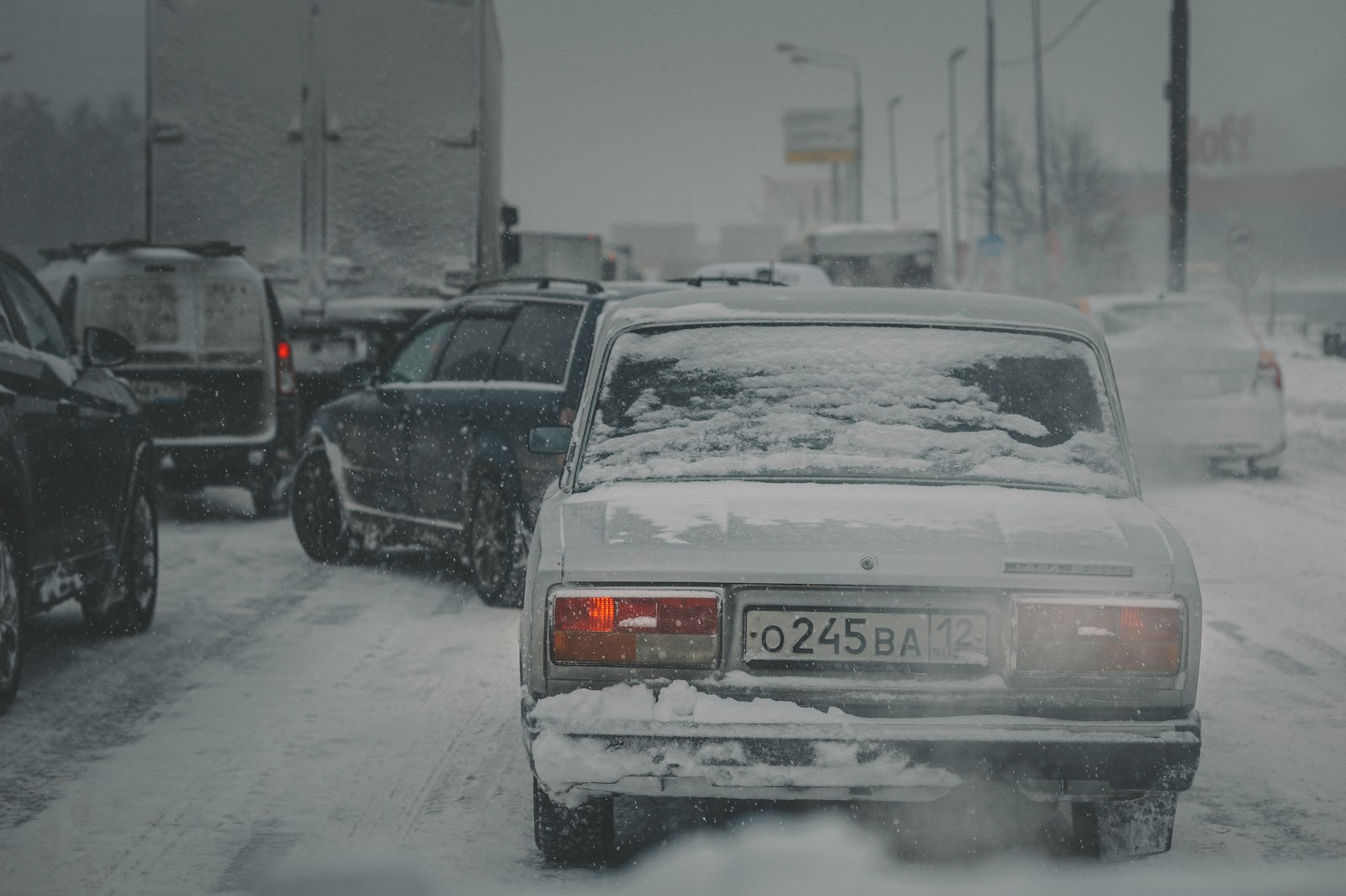

Park your car the wrong way before a snowstorm and you’ll face slower melting, harder scraping, and possible fines if local rules require cleared windshields or specific parking directions. Facing your vehicle toward the sunrise and clearing snow fully from lights and windows speeds thawing and reduces the chance of tickets or being blocked in.
You’ll want to know how sunlight, street rules, and simple prep change how fast snow comes off and whether a plow or parking enforcement will create trouble. Keep reading to learn practical parking moves, quick cleanup hacks, and which local rules commonly lead to fines so you don’t waste time or money.
Why Wrong-Direction Parking Before a Snowstorm Causes Problems
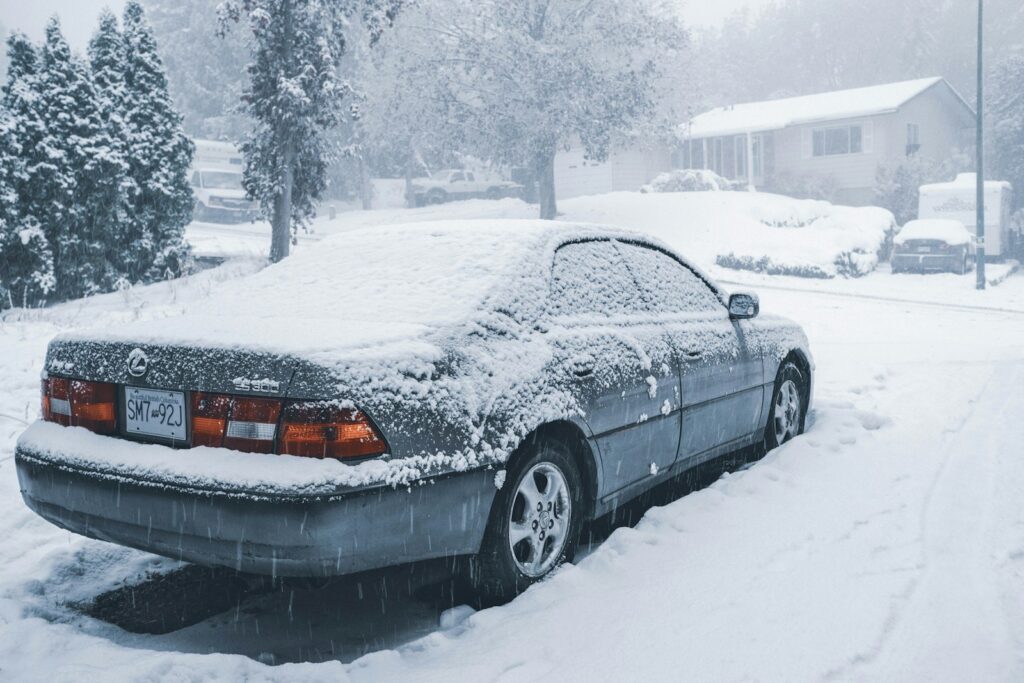
Parking the wrong way on a street can block plows, create drift-prone pockets of snow, and expose you to tickets or towing. You may also make it harder for emergency vehicles and increase cleanup costs for your city.
How Street Cleanup Is Slowed
When your car faces the wrong direction, city plows must maneuver differently around it. Plows designed to clear curb-to-curb rely on consistent vehicle orientation; an opposite-facing car forces drivers to slow, back up, or switch lanes to avoid contact.
Those extra maneuvers add minutes per block. Minutes become hours across a route, slowing cleanup citywide and leaving ice-packed ruts where the plow couldn’t reach close to the curb. That trapped snow compacts into ice, raising slip and collision risk the next day.
Plows sometimes have to leave a larger clearance around misparked vehicles. That results in a thicker snow berm at the curb in front of your car, making your driveway or sidewalk harder to dig out later.
Fines and Legal Consequences
Cities often treat wrong-direction winter parking as a public-safety violation, not just a minor parking mistake. You can face fines that rise with repeat offenses and, in many municipalities, tickets issued during declared snow emergencies are higher than standard parking citations.
If your parked car blocks a plow’s path or emergency access, enforcement can escalate to towing. Towed vehicles incur towing fees, daily storage charges, and the fine itself — a combined cost that can exceed hundreds of dollars quickly.
Parking enforcement officers document violations with location, time, and photos. Those records support fines and help cities justify towing when a vehicle interferes with snow operations or obstructs fire lanes.
Understanding Local Parking Rules
Local ordinances vary: some cities ban parking on one side of the street during alternate-side snow operations, others require vehicles to face the direction of traffic year-round. Check your city’s public works or parking enforcement pages before a storm.
Look for posted signs that specify snow emergency rules, tow-away times, and permitted orientation. Municipal websites often publish maps and schedules for plow routes and restricted streets; keeping those bookmarked can save you a citation.
If you’re unsure, call your local parking enforcement or public works department. They can confirm whether your block falls under a snow ordinance, explain ticket appeal procedures, and tell you how to register for emergency notifications.
Winter Parking Tips to Avoid Fines and Hassles
Follow clear city alerts, move your car before posted ban times, and keep basic gear so you can relocate or free your vehicle quickly. Small prep steps—checking tires, packing an ice scraper, and knowing local tow/impound contacts—cut the chance of tickets or being towed.
Preparing Your Vehicle for Snow
Keep your vehicle visible and easy to move. Park with your wheels turned the same way the street normally flows so you can exit quickly if you must relocate for a plow. Leave at least one clear inch of glass around all mirrors and windshield wipers; this avoids tickets in cities that cite obstructed views and speeds your departure.
Remove loose items from the trunk and back seat so you can hand over registration or tools without digging. Keep photocopies of registration and insurance in a waterproof sleeve. If you expect heavy snow, move to a municipal lot or a private garage the night before—many cities post maps and rules online about snow routes and tow zones.
Essential Tools and Emergency Gear
Pack a small winter kit and keep it in the car at all times. Include: an ice scraper, a compact snow brush, jumper cables, a LED flashlight (with spare batteries), a 12‑gauge tow strap, and a compact shovel. Put a reflective vest and a set of disposable gloves in the kit for cold, hands-on work.
Also add a small bag of kitty litter or traction mats for wheel spin, and a battery jump starter if you don’t want to rely on another vehicle. Keep a printed list of your city’s 311 number and the local impound phone beside your glovebox; that saves time if enforcement begins overnight. Store everything in a weatherproof container so items stay usable after repeated winter trips.
Maintaining Proper Tire Pressure
Check your tire pressure at least once a month and before a storm. Cold air lowers pressure about 1–2 psi for every 10°F drop, so inflate to the vehicle manufacturer’s recommended psi (found on the driver’s door jamb) rather than the number on the tire sidewall. Proper pressure improves braking on slick surfaces and reduces the chance you’ll get stuck and block street-clearing operations.
If you use winter tires, swap them before sustained temps drop below 45°F and verify tread depth is at least 6/32″ for reliable traction. Carry a portable tire pressure gauge and a small inflator or know the nearest 24‑hour station with an air pump. Low pressure not only harms handling but can earn fines if your car becomes an obstruction during plowing.
More from Steel Horse Rides: