


You probably noticed the news: the Postal Service pulled some of its brand-new delivery vans soon after retiring the forty-year Grumman fleet. You should know that the recall affects a small number of Oshkosh-built Next Generation Delivery Vehicles because of a rear-hub fastener issue that could allow a wheel to detach, and the agency is working with the manufacturer to fix them.
This post will walk you through why the recall happened, what it means for USPS’s long-running fleet replacement, and which design choices and production problems are shaping the delivery vehicles’ future. Expect clear facts, practical implications for mail service, and what to watch next.
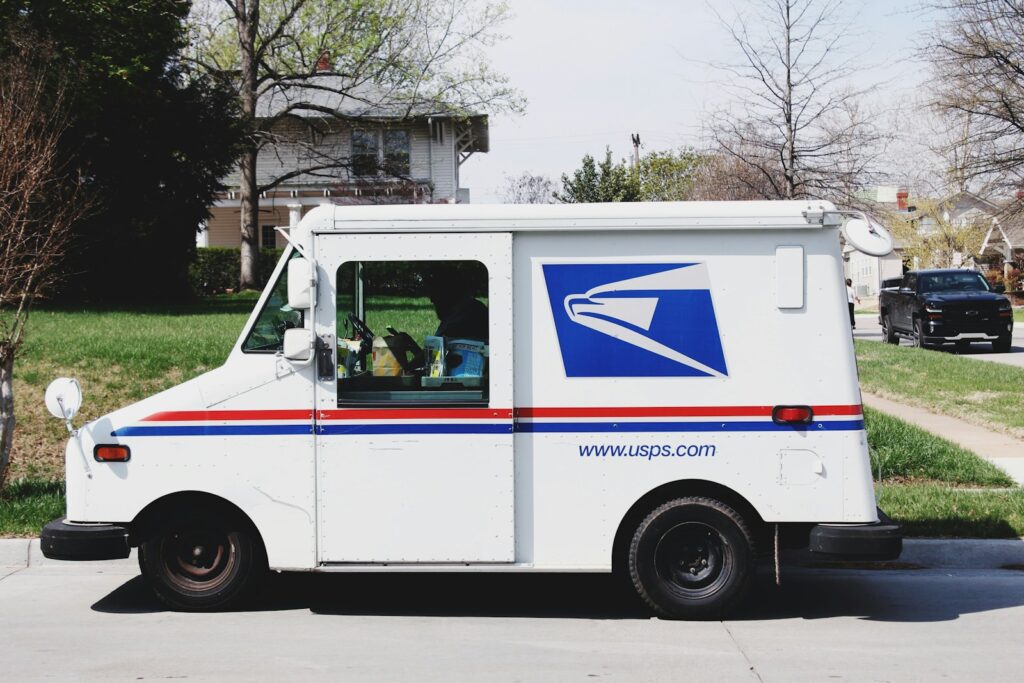
USPS Recalls New Mail Trucks and the End of the Grumman Long Life Vehicle Era
You’ll read why the Postal Service pulled some of the new trucks, how that recall unfolded after decades with the Grumman LLV, and which specific design and manufacturing problems showed up in the Oshkosh NGDVs.
Why USPS Recalled Its Next Generation Delivery Vehicles (NGDV)
The recall targeted 40 NGDVs built between March 28 and July 16 of last year because rear-wheel fasteners can loosen and wheels may detach. That defect applied to both battery-electric and gas-powered NGDVs, including 10 electric units and 30 gas units, and created an immediate safety risk for drivers and the public.
Oshkosh Defense issued the fix under warranty, so repairs are free; the manufacturer will tighten or replace the affected bolts and components. You should note the recall doesn’t reflect all NGDVs—inspections focus on the specific production window where a manufacturing issue occurred.
If you track fleet safety, this is a classic assembly-quality problem: a batch of parts or improper torqueing during assembly that escaped initial inspection. The recall shows how a single supplier or assembly step can ripple through a high-profile rollout.
Timeline: From Grumman Long Life Vehicle Retirement to Recalls
The Grumman Long Life Vehicle (LLV) served from the late 1980s until the USPS began retiring them in 2024–2025. The LLV earned a reputation for longevity but lacked modern features like air conditioning and efficient fuel use.
USPS awarded Oshkosh Defense the NGDV contract in 2021; Oshkosh deliveries began in mid-2024 as the agency started phasing out LLVs. By late 2024 and into 2025, NGDVs hit streets nationwide while LLVs were increasingly removed from daily service.
Within months of the NGDV rollout, Oshkosh announced the rear-wheel recall tied to a specific manufacturing period in 2025. The tight timeline—from introducing NGDVs to executing a recall—highlights how quickly fleet-wide quality issues can surface once vehicles enter real-world operations.
Key Issues With the Oshkosh Defense Mail Trucks
The recall centered on loose rear-wheel bolts, but other practical issues drew attention during rollout. Carriers and observers flagged the NGDV’s long windshield and low hood for visibility and ergonomic adjustments compared with the old Grumman LLV.
Performance differences also showed up: some NGDVs are battery-electric while others use internal combustion, creating mixed maintenance and charging requirements across routes. That complicates logistics if you manage charging infrastructure or technician training.
Manufacturing and warranty management also matter. Because all NGDVs remain under warranty, Oshkosh handles repairs, yet repeated fixes can slow fleet availability. For you as a carrier or manager, the immediate priorities are ensuring affected vehicles are inspected, confirming repairs, and tracking any further production-run issues from Oshkosh Defense.
- Affected units: 40 NGDVs (10 BEV, 30 gas)
- Manufacturing window: March 28–July 16 (year of production)
- Typical remedy: retorquing/replacing wheel fasteners under warranty
Features, Shortcomings, and the Road Ahead for USPS Mail Trucks
You’ll read how the vehicles add new safety and comfort, why production and rollout hit snags, and what USPS plans for electric models and charging upgrades.
Modern Safety and Comfort Features of the NGDV
You get wider doors, a higher windshield line for better forward visibility, and a low step-in height that reduces strain on carriers’ knees and backs. The Next Generation Delivery Vehicle (NGDV) includes anti-lock brakes and modern suspension that improve handling compared with the old Grumman LLV.
Safety tech also moves forward: many NGDVs ship with collision sensors and provisions for 360-degree cameras to reduce blind spots during stops and backing maneuvers. Climate control and improved seating make summer routes far more tolerable.
Expect ergonomic improvements to shorten carrier fatigue on long routes. Those features matter day-to-day for your comfort and for lowering injury-related work disruptions.
Production Delays and Implementation Challenges
Manufacturing bottlenecks and quality control issues slowed deliveries after the initial 2024 rollout, and a limited number of vehicles required warranty repairs early on. Some NGDVs were recalled for rear-wheel assembly faults that could loosen bolts — a safety risk that forced targeted pulls from service and repairs by Oshkosh under warranty.
Deployment also collided with training and parts logistics. You may see variation in feature fit across early units as production ramps to the planned 106,000 vehicles; not every truck delivered initially had the full suite of cameras or sensor packages installed. Facility readiness has lagged in some regions, so vehicles sometimes arrive before charging or maintenance infrastructure is fully prepared.
Future Plans: Electrification and Infrastructure Investments
USPS plans roughly 45,000 battery-electric NGDVs and additional commercial-off-the-shelf electric vans by 2028, so you’ll increasingly encounter electric trucks on routes. That shift requires hundreds of charging stations at processing and delivery centers and upgrades to local electrical service.
Electrifying the fleet ties directly to the vehicle features you use: EV versions will maintain the same collision sensors and can integrate 360-degree cameras more easily because of modern electronic architectures. The agency’s fleet modernization budget includes charging infrastructure and phased rollouts; however, the pace will depend on local grid upgrades, station installation schedules, and continued quality control at manufacturers.
More from Steel Horse Rides: