
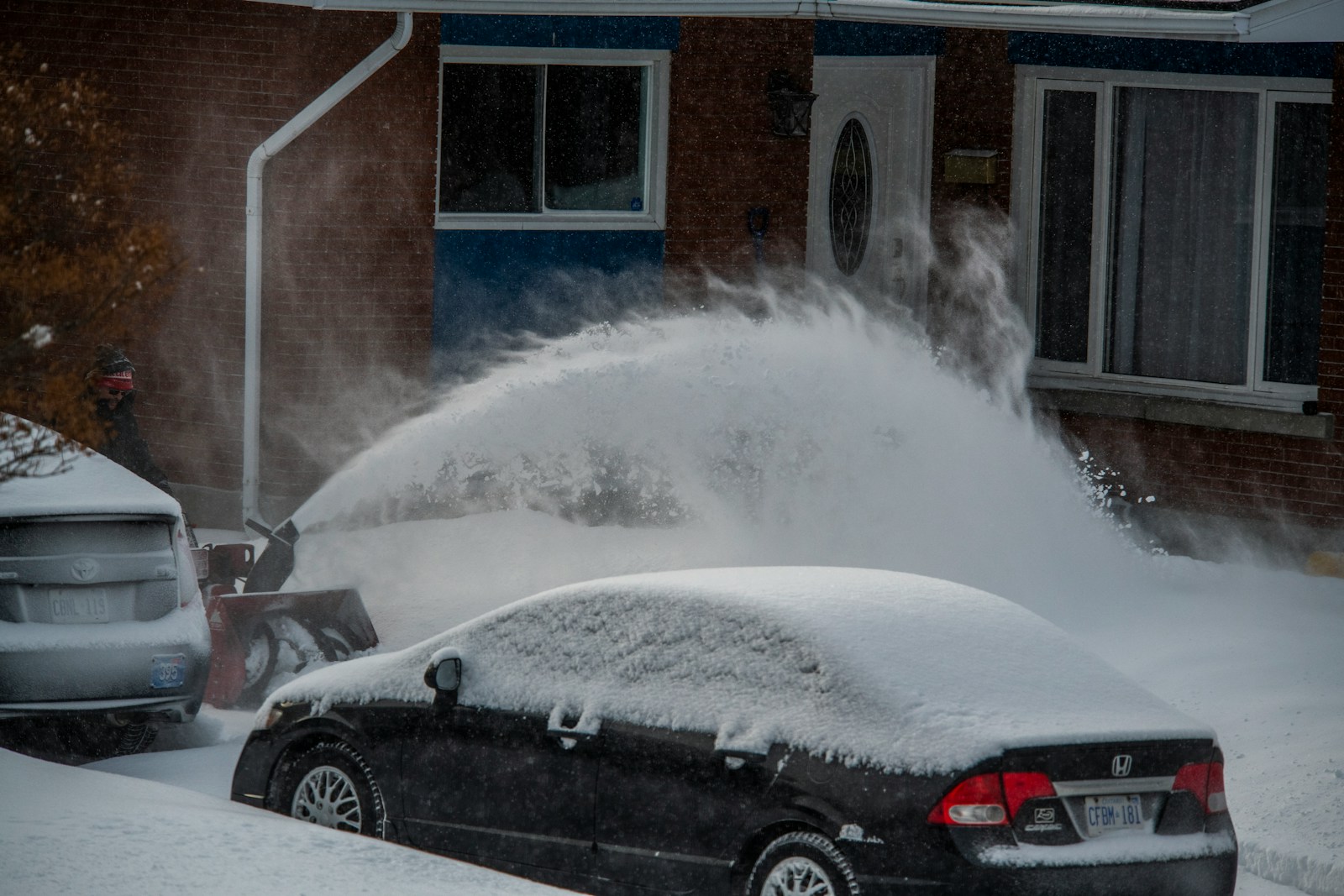

Snow or ice left on your vehicle can cost you more than a hassle—it can cost you up to $2,000 if it causes damage or a hazard. You must clear snow and debris from your car before driving to avoid steep fines and reduce the risk of accidents.
Think about how sheets of ice flying off a roof or a hood can smash windshields or block visibility for the driver behind you. This post will explain why enforcement is rising, how those fines work, and simple steps you can take to stay legal and safe.
Understanding $2,000 Fines for Uncleared Snow and Debris
You can face steep penalties if snow or ice on your vehicle creates hazards, damages property, or blocks your view. Laws vary by state but commonly treat loose snow or debris as an unsecured load that can trigger fines, liability, and points on your license.
Key Laws and Penalties by State
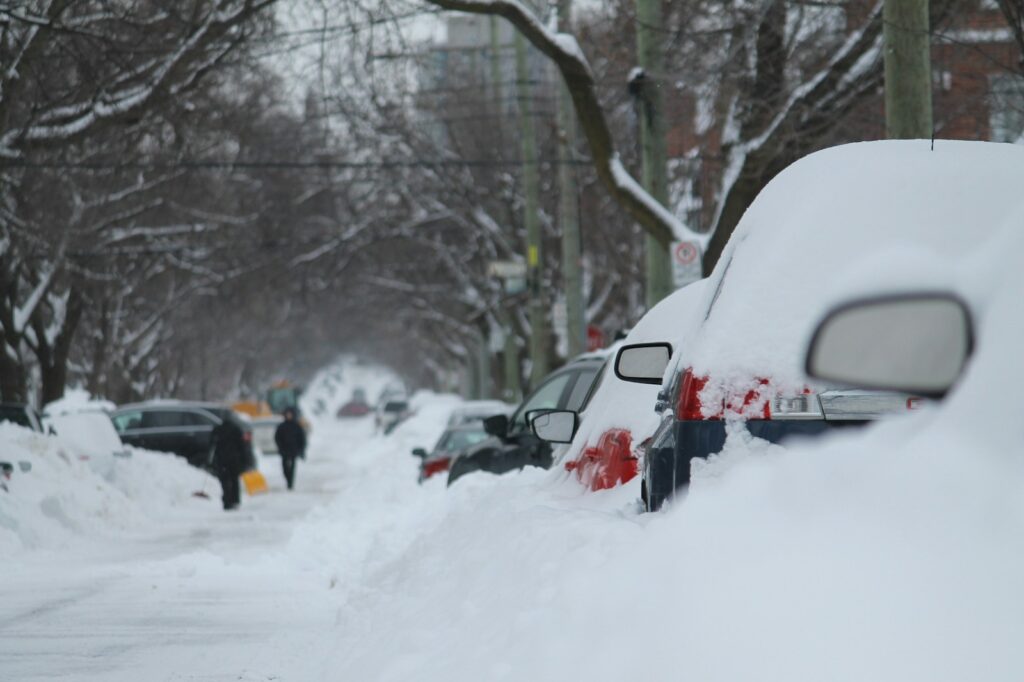
Several states classify snow and ice as part of a vehicle’s load, making drivers legally responsible to clear it before driving. In North Carolina, for example, authorities warn drivers that ice or snow that falls off and damages another person or vehicle can lead to charges of “failing to secure a load,” with penalties up to $2,000 and one license point (https://www.wral.com/news/local/drivers-fine-2000-failing-clear-snow-vehicles-feb-2026/).
Other states use sidewalk and vehicle codes to impose fines or civil liability; amounts and enforcement practices differ. Cities may add local penalties — some municipalities fine property owners for uncleared sidewalks up to $2,000, showing that fines at the municipal level can mirror vehicle rules (https://www.cbc.ca/news/canada/british-columbia/vancouver-rolls-out-big-fines-for-uncleared-sidewalks).
Check your state DMV or local police guidance before winter driving. If you hit someone or their property because snow or ice obstructed your view, you can be cited and held financially responsible in crash reports and insurance claims.
How Snow and Debris Put Others at Risk
Snow and ice that fly off a vehicle can strike the windshield or hood of the car behind you, causing damage or sudden loss of control. Even small chunks can shatter glass or create road debris that forces drivers to swerve into traffic.
Accumulated snow on roofs or hoods can slide forward and block your windshield, reducing visibility and increasing the chance of collisions. Loose debris—like wet leaves, salt clumps, or cargo not secured—can become projectiles at highway speeds and injure pedestrians or cyclists.
If your view is blocked and you cause a crash, insurers and police often consider negligence. That can mean fines, higher insurance rates, repair bills, and potential civil suits for bodily injury or property damage.
Scenarios That Can Lead to Major Fines
You can be fined if ice from your vehicle falls onto another car and causes damage, even if you didn’t intend harm. Law enforcement may charge you with failure to secure a load in cases where snow or debris detaches and injures someone or harms property (https://www.msn.com/en-us/public-safety-and-emergencies/general/drivers-can-be-fined-up-to-2-000-for-failing-to-clear-snow-off-their-vehicles/ar-AA1VpnAP).
Driving with a heavily snow-covered windshield that limits your view and causes an accident can result in citations and liability. Parking under overhangs where accumulated snow can fall onto pedestrians can trigger similar penalties.
Municipal ordinances may also fine you for neglecting to clear sidewalks adjacent to your property, potentially reaching large amounts if enforcement is strict or repeat offenses occur (https://www.cbc.ca/news/canada/british-columbia/vancouver-rolls-out-big-fines-for-uncleared-sidewalks).
Practical steps: remove snow from roof, hood, lights, and mirrors; secure cargo; and inspect before driving.
Essential Steps to Avoid Fines and Drive Safely
Clear all snow and loose debris from every surface that can fall off or block your view, and make simple preparations so you can leave safely and legally when roads are icy.
Best Practices for Removing Snow and Debris
Start with the roof, then work forward: clear the roof first so you don’t re-cover windshield or hood when moving the car. Remove snow from the hood, trunk, headlights, taillights, mirrors, and license plate. Use short, controlled strokes to avoid scratching paint.
Prioritize visibility: fully clear the windshield, rear window, and side windows. Don’t rely on wipers alone; they can smear ice and strain the motor. Check air intakes and exhaust ports so heaters and defrosters work properly.
Dispose of snow away from the curb so it won’t slide back onto your car or the road. If compact ice won’t come off, use an ice scraper with a built-in brush or a plastic shovel; avoid metal tools that damage glass or paint.
Recommended Tools and Simple Tricks
Keep a soft-bristle snow brush and a foam roof rake in your trunk for quick removal. Add an angled ice scraper and a collapsible snow shovel for deeper drifts. Store tools in a bag so they’re easy to find and won’t rattle in the cabin.
Use a microfiber brush head to reduce paint wear. For thin ice, warm windshield washer fluid rated for low temperatures helps loosen adhesion. A winter windshield cover prevents accumulation on windshield and wipers when you park overnight.
Carry disposable gloves and a pair of lens wipes for headlights. If you have an account with a roadside assistance service, check whether they offer de-icing help—some plans cover simple winter pickup operations.
Tips for Planning Ahead During Snowy Weather
Monitor forecasts the night before travel and set alerts on your phone for accumulating snow. Move your car into a garage or under cover when possible; even partial shelter cuts clean-up time dramatically.
Allow extra time for clearing—budget 10–20 minutes for a full clean-up depending on accumulation. Park facing east when you can; morning sun helps thaw frost and ice. Keep fuel above a quarter tank to avoid condensation and to run the heater while you clear the car.
More from Steel Horse Rides: