

You could face community service instead of just a fine if you’re caught holding a phone while driving under new proposals moving through state legislatures. That shift makes handheld-device enforcement more serious and could affect your license, penalties, and legal exposure after a crash.
Keep paying attention because the change isn’t only about tickets — it aims to reduce distracted driving by making enforcement a primary stop and by creating clearer standards for liability. The next sections will explain how the penalties work, when community service might apply, and what this means for everyday driving choices.
New Community Service Penalties for Holding a Phone While Driving
You can now face community service instead of, or in addition to, a fine for holding a phone while driving in some jurisdictions. The paragraphs below explain what changed, who it covers, and how community service and fines are applied.
Overview of Recent Law Changes
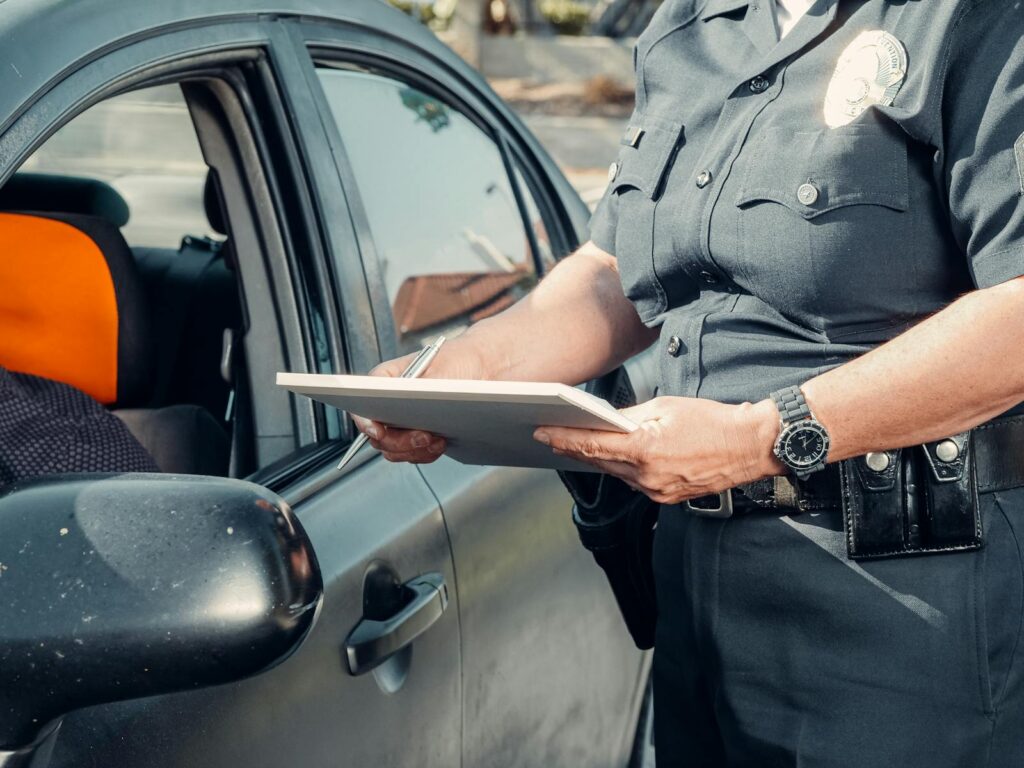
States have moved toward treating handheld phone use as a primary enforcement offense, which lets officers stop drivers solely for that behavior. Michigan’s 2023 hands-free law, for example, made manual use of a phone illegal and set up penalties that include either a fine or community service; the state’s materials explain the hands-free rules and enforcement emphasis.
These laws typically ban holding, supporting, or manually operating a device while driving, even when stopped in traffic. You should expect police to enforce the rule at traffic stops and safety campaigns to increase enforcement during targeted periods.
Key points:
- Primary enforcement allows traffic stops for handheld phone use.
- Laws often permit a single touch on a mounted device but forbid holding the phone.
- Expect increased patrols and publicized enforcement campaigns from agencies like the Michigan State Police.
Who Is Affected by the New Penalties
Anyone driving on public roads who holds or manually uses a phone can be cited under primary enforcement laws. That includes passenger vehicle drivers, motorists stopped at a red light, and, in many places, drivers under age-specific restrictions such as novice or teen drivers.
Commercial motor vehicle operators face separate, stricter FMCSA rules that largely ban handheld device use while operating a CMV. You should note that exceptions exist for emergencies, and some medical or official-use exemptions may apply.
If you live or drive in Michigan, the Michigan State Police materials and state guidance explain which actions count as manual use. Other states with recent updates, like Pennsylvania’s Paul Miller law, have adopted similar handheld prohibitions and penalty frameworks.
Community Service Requirements and Fines
First-time violations in jurisdictions that offer community service typically allow you to choose between a monetary fine (often around $100 in places like Michigan) or completing a set number of community service hours. Repeat offenses usually increase fines and can raise required service hours or add mandatory court appearances.
Community service assignments commonly involve traffic-safety programs, cleanup projects, or time spent with public safety organizations. Courts or traffic agencies assign hours and set completion deadlines; failure to complete community service can convert to higher fines or driver’s license consequences.
Practical details to watch for:
- Options: pay fine or perform community service for first violations.
- Penalty escalation: higher fines and more service hours for subsequent violations.
- Administration: local courts, probation officers, or traffic programs monitor completion.
If you want specific rules where you drive, check your state’s distracted driving page or the Michigan hands-free law materials for exact fine amounts and community service options.
How the Law Targets Distracted Driving and Its Consequences
Laws focus on stopping manual, visual, and cognitive distractions from phones because those actions directly raise crash risk, increase insurance costs, and can add points or community service penalties to your record.
What Counts as Distracted Driving
Distracted driving includes any activity that takes your eyes, hands, or mind off driving. That means texting, dialing, scrolling apps, reading messages, or holding a device while steering. Even brief glances at a screen matter: research from the Virginia Tech Transportation Institute shows short distractions can produce near-crashes.
Many state bans distinguish between handheld use and hands-free modes. Some laws still prohibit using a phone for any non-driving task, while others allow navigation or voice calls. Know your state rules because exceptions vary, and enforcement often hinges on whether the officer observes manual handling.
Impact on Driving Records and Insurance
A citation for phone use can carry fines, points on your license, and in some jurisdictions, community service instead of or in addition to fines. Points raise the risk of license suspension if you accumulate several infractions.
Insurance companies commonly increase premiums after distracted-driving tickets, treating them like other moving violations. If your phone-related behavior causes an accident with injury, you could face civil liability or criminal charges, and insurers may deny coverage for reckless conduct. Check your state DMV and insurer policies to see how tickets affect your record and rates.
Safe Driving Alternatives to Phone Use
Adopt practical habits that remove the temptation to reach for your phone. Activate “Do Not Disturb” or driving modes before you start the car, mount the phone for navigation before you move, and use pre-set playlists or voice assistants for required audio tasks.
Prefer true hands-free systems that connect to the vehicle and rely on voice commands only when permissible under your state law. Pull over to a safe location if you must read a message or make a complex call. Employers and parents can set rules—like scheduled check-ins—to reduce pressure to respond while driving.
For state-by-state rules and enforcement details, consult summaries such as the National Conference of State Legislatures’ distracted driving overview.
More from Steel Horse Rides: