
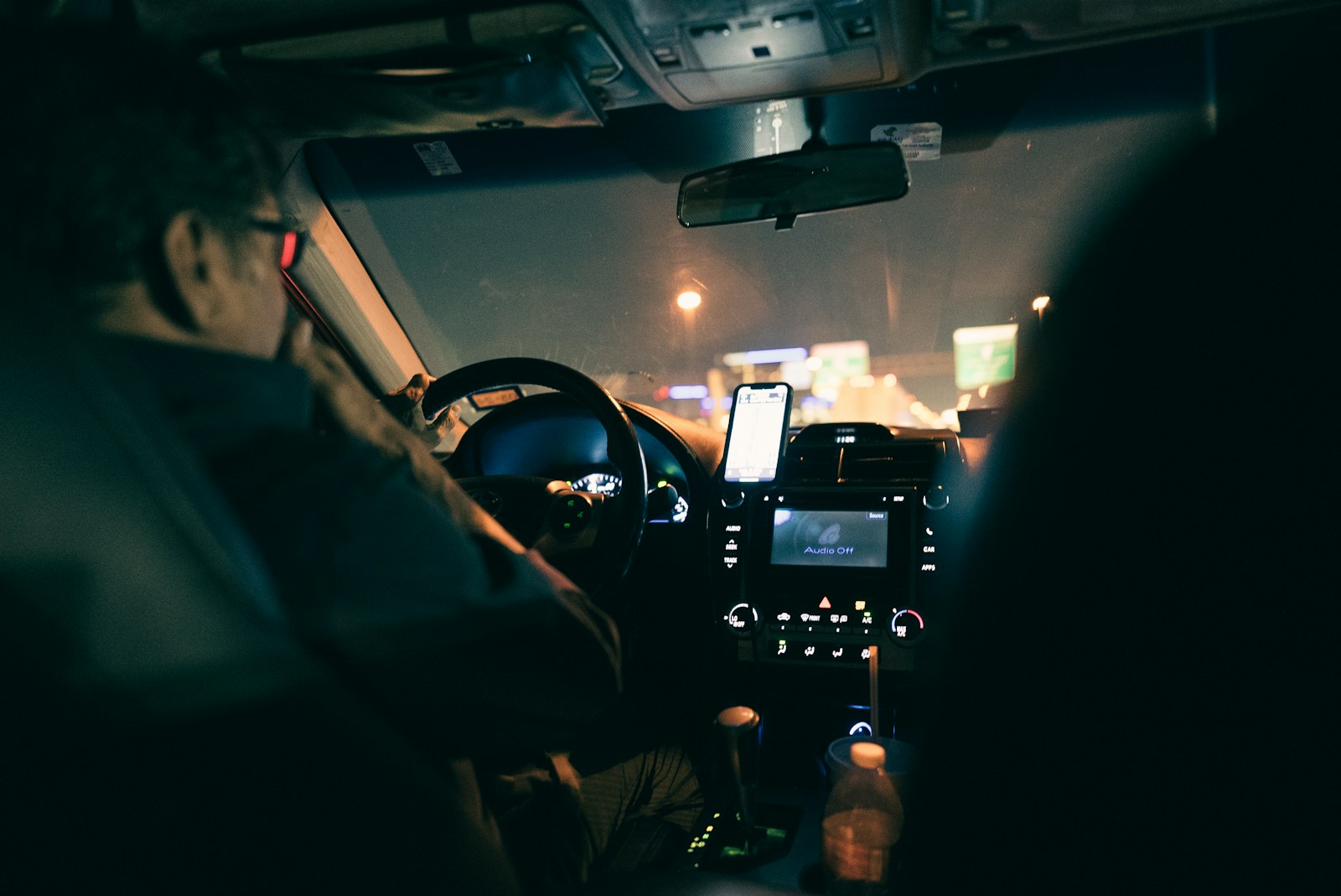

You can lose your license if you keep touching a mounted touchscreen or holding a phone while driving under California’s stricter no-touch rules. If law enforcement documents repeated violations or you rack up points, you risk fines, added DMV points, and possible suspension that could disrupt work, school, or daily life.
Learn what behaviors trigger enforcement, which uses remain legal, and how to set up truly hands-free tech so you stay legal on the road. The next sections explain what counts as a violation, how penalties escalate, and practical steps to avoid costly mistakes.
How Strict New Touchscreen Laws Put Drivers’ Licenses at Risk
These laws make cell phone handling more than a small ticket — they change how violations affect your driving record, fines, and ability to keep a license. Expect point assessments, escalating fines, and different enforcement rules depending on where you drive.
License Suspension and Point Accumulation
When you touch a phone while driving in many no-touch states, you can receive driving record points that pile up quickly. A single offense often adds 1–3 points; repeated offenses within a short period (commonly 12–24 months) can push you past state thresholds that trigger license suspension.
Points affect more than suspension — they can increase your insurance premiums and may flag you for mandatory remedial courses. In jurisdictions with laws like Paul Miller’s Law, novice or teen drivers face stricter caps and can lose privileges after one serious violation.
If you drive across state lines, remember that points can be reported to your home state under interstate compacts, meaning an out-of-state ticket could still endanger your license at home.
Escalating Penalties and Fines
Penalties for touching a touchscreen while driving often escalate by offense number and by circumstance. A first offense may carry a modest fine (for example, about $150 in some places), while later offenses can reach several hundred dollars or more.
Courts and legislatures increasingly add mandatory fees, license points, and even short suspensions to fines. In cases that involve a crash or injury, penalties jump sharply and can include longer suspensions or criminal charges for distracted driving.
Many states have structured penalty tiers: initial citation, steeper fines for repeat violations, and enhanced consequences when you cause a collision. Check local statutes so you know exact dollar amounts and escalation triggers where you live.
Primary vs. Secondary Enforcement Differences
Primary enforcement means an officer can stop you solely for holding or touching a phone; secondary enforcement means they can cite you only after stopping you for another violation. This distinction matters for how likely you are to be pulled over.
In states with primary no-touch rules, like several that have adopted expanded distracted driving laws, you face immediate risk of ticket and points simply for handling a device. In secondary-enforcement states, an officer must witness another traffic violation first, making enforcement less frequent.
Know your state’s classification because it changes enforcement risk and practical behavior: use true hands-free setups in primary-enforcement areas to avoid immediate penalties, and be especially cautious if you’re a new driver under stricter rules such as those under Paul Miller’s Law.
Navigating Hands-Free Technology and Staying Legal
You must keep your phone off your hands and your eyes mostly on the road. Use a properly mounted device, rely on voice commands, and know your state’s specific limits to avoid tickets or license consequences.
What Counts as a Touchscreen Violation
Touchscreen violations occur whenever you physically hold or manually manipulate an electronic device while operating a vehicle. Examples that commonly trigger citations include: dialing a number, typing or swiping to send messages, scrolling through apps, or holding a phone to view video or social media. Tapping a mounted screen more than once can still be illegal in many jurisdictions; check whether your state allows a single touch to activate a function.
A violation can also happen while stopped at a red light or in traffic if your state’s law covers “operation” when the vehicle is on a public roadway. Law enforcement in primary-enforcement states can stop you for device use alone. Your driving record and insurance may suffer even if the ticket fine seems small.
Hands-Free Solutions and Legal Exceptions
Use these options to stay legal: a fixed dashboard or vent mount, built-in infotainment systems like Apple CarPlay or Android Auto, Bluetooth integration, and voice assistants (Siri, Google Assistant). Program navigation and playlists before you drive. Make adjustments using voice commands or a single, lawful tap if your jurisdiction allows it.
Emergency exceptions exist: calling 911 during a genuine emergency is permitted almost everywhere. Commercial drivers face stricter federal limits under FMCSA rules; if you hold a CDL you generally cannot hold or manually operate a phone at all. Novice drivers often face total bans on device use under Graduated Driver Licensing rules, so treat teen drivers differently.
State-by-State Law Variations
Hands-free laws differ widely: some states ban all handheld use for all drivers, while others only ban texting or apply stricter rules to drivers under 18. Enforcement type matters — primary enforcement lets officers stop you solely for handheld use; secondary enforcement requires another violation first. The Governors Highway Safety Association and the Insurance Institute for Highway Safety track these variations and publish updates.
Check whether your state allows mounted GPS, single-touch activations, or specific mounting locations (dash vs. windshield). Also verify enhanced penalties in school or work zones and whether violations add points to your license. If you travel, assume the strictest nearby law applies and configure your car for hands-free use before you drive.
More from Steel Horse Rides: