

Snow emergencies are turning routine drives into expensive mistakes overnight. When cities declare Level 2 or Level 3 alerts, you can face fines, arrest, or tickets for being on the road, and some states also penalize drivers whose loose snow or ice causes injury or damage.
You need to know how those alert levels change what officials can enforce, and which local rules — from parking bans to vehicle snow removal laws — could cost you hundreds or more. Stay with this article to spot the rules that most often lead to fines and to learn practical steps you can take to avoid them.
Understanding the Surge in Winter Driving Fines
Cities declare snow emergencies, raise towing and parking restrictions, and increase traffic enforcement to keep main routes clear and reduce crash risk. Fines often rise because enforcement shifts from routine tickets to specific winter ordinances and hazardous-driving penalties tied to heavy snowfall and road-clearance needs.
Snow Emergency Declarations and Alert Levels
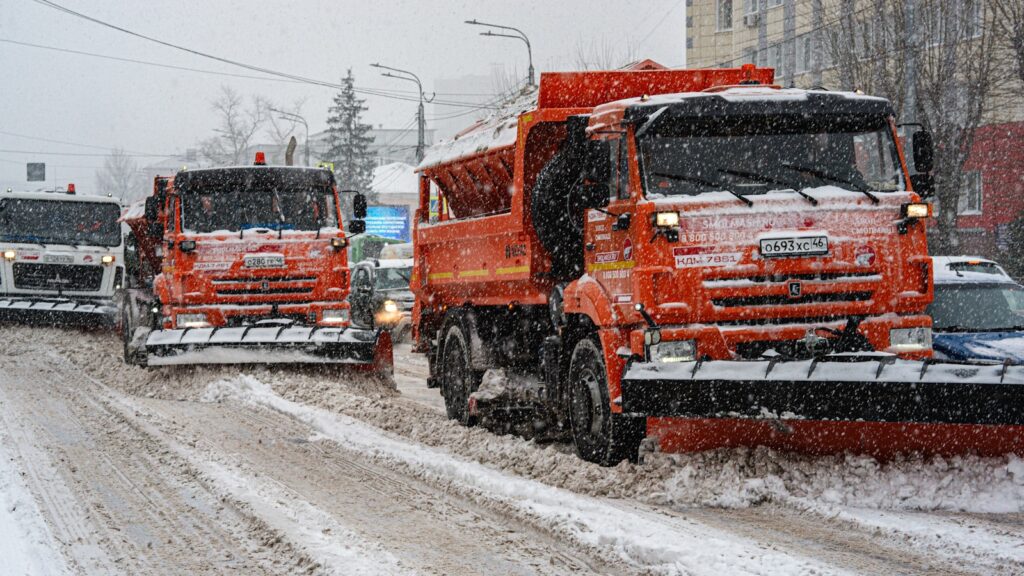
When a municipality issues a snow emergency, it changes parking rules and lane access immediately. You’ll see designated snow routes, curb-to-curb plowing requirements, and staged alert levels (often numbered or color-coded) that trigger towing, no-parking zones, and parking-ban start times.
These alerts do more than inform: they give police and public works legal authority to ticket, tow, or immobilize vehicles that obstruct plows. During heavy snowfall, cities may escalate alerts quickly, so a car legally parked in the morning can become illegal by afternoon. Pay attention to city notices and remove your vehicle from designated routes when an alert goes into effect.
Common Fines and Penalties for Violations
Fines for violating snow-emergency rules range widely, from modest parking tickets to large penalties when property or safety is harmed. You could face a $25–$100 citation just for leaving snow on your vehicle in some states, while causing injury or damage with flying ice or snow can lead to fines up to $1,500.
Typical penalties include:
- Parking ban tickets ($50–$250)
- Towing and impound fees (variable, often $150+)
- Fines for unsecured loads or snow-covered vehicles ($25–$500)
- Aggravated fines when snow/ice causes property damage or injury ($200–$1,500)
You may also receive citations for obstructing snow removal equipment or for reckless driving during winter storms. Those add points to your license or increase insurance premiums in some jurisdictions.
Differences in Winter Driving Laws by State
State statutes vary in scope and language; some specifically ban driving with snow-covered cars, others treat snow as an unsecured load or use general unsafe-driving statutes. For example, Pennsylvania and Connecticut have explicit penalties tied to snow/ice dislodging and causing damage, while states like Minnesota use obstruction or unsafe-operation rules.
Check your state’s specifics:
- Some states set flat fines for accumulated snow on roofs or windows.
- Others levy steeper penalties only if snow or ice causes injury or property damage.
- Municipalities often layer stricter local ordinances on top of state law.
Your liability often depends on outcome: mere presence of snow may be a minor infraction, but if snow dislodges and causes a crash, civil and criminal penalties can follow.
Cities and States with the Strictest Enforcement
Places with frequent heavy snowfall and limited clearance windows enforce winter rules most strictly. Northeastern and Great Lakes cities commonly ticket and tow during declared emergencies. Examples include Boston-area municipalities and parts of Pennsylvania that actively patrol snow routes during storms.
You’ll also see strict enforcement where prior incidents prompted specific laws—New Hampshire’s post-accident measures and New Jersey’s requirements to remove snow are examples. Local tollways and urban centers may impose separate fines for uncleared vehicles. When traveling through known snow corridors, assume aggressive enforcement and move your car off snow routes as soon as alerts appear.
Staying Safe and Legal on Wintry Roads
You need the right gear, driving habits, and paperwork to reduce crash risk and avoid tickets during snow emergencies. Clear snow from your vehicle, fit appropriate tires, and follow local emergency orders.
Essential Winter Driving Gear and Requirements
Keep a winter kit in your car: ice scraper, small snow brush, jumper cables, tow strap, flashlight with extra batteries, blanket, and a first-aid kit. Carry a bag of sand or cat litter for traction if you get stuck. Store a plastic shovel and a pair of gloves in the trunk.
Tire choice matters: use dedicated snow or winter tires when temperatures regularly drop below 45°F. Winter tires provide better grip on ice and snowy roads than all-season tires. If local law requires chains or studded tires during declared conditions, install them to stay legal.
Maintain fluids and visibility: keep antifreeze at recommended concentration and top off washer fluid with a winter blend. Replace worn wipers and ensure all lights work. Many cities ticket vehicles with obstructed plates or lights caused by snow.
Best Practices for Safe Winter Driving
Slow down and increase following distance—double or triple your normal gap on icy roads and in low visibility. Accelerate and brake gently to avoid skids; use low gears going downhill to maintain control. Scan far ahead for brake lights and stalled vehicles.
Watch for black ice where bridges, overpasses, and shaded stretches freeze first. If you hit a skid, steer into it and ease off the brake. Avoid cruise control in winter conditions. Keep windows clear: push snow from the roof first, then clear windows, lights, mirrors, hood and trunk to prevent flying snow and whiteout for drivers behind you.
Plan routes around main plowed roads when possible. If visibility drops severely, pull off safely, turn on hazard lights, and stay in the vehicle until conditions improve.
How to Avoid Fines in Snow Emergencies
Know your city’s snow emergency rules and remove snow from your vehicle before driving. Many municipalities fine drivers for snow-covered cars, obstructed license plates, or for creating hazards by leaving snow on roofs. Some states impose higher fines if dislodged ice injures someone.
Comply with parking bans and move your car from designated snow routes during declared plowing operations. If you ignore a snow route order you risk towing and steep fines. Follow posted signage and municipal websites for declared emergency start and end times.
Document compliance when possible: take a quick photo of your cleared vehicle and of posted notices if you moved per an order. That can help if you contest a ticket. For legal details in your area, check local statutes and municipal police pages; several jurisdictions publish specific rules on snow removal and penalties, such as fines for unsecured snow and ice.
More from Steel Horse Rides: