


You might think a parking mistake means a ticket — but increasingly it means losing your car, often with no mercy. Zero-leniency towing laws let authorities or private companies tow quickly and charge steep fees, so you can get hit with a costly impound before you even know what happened.
This trend shows up across states and cities, where stricter rules and aggressive enforcement leave little room for minor errors or unclear signs. Expect the article to explain how these laws work, why they’re spreading, and what that means for your wallet and safety when alcohol and driving are involved.
Understanding Zero-Leniency Towing Laws
Zero-leniency towing laws let parking rules be enforced immediately, remove discretion from property managers and tow operators, and raise the odds that your vehicle will be towed for minor or technical violations. These rules change how long you have to correct an issue and what fees you’ll face.
What Zero-Leniency Means for Drivers
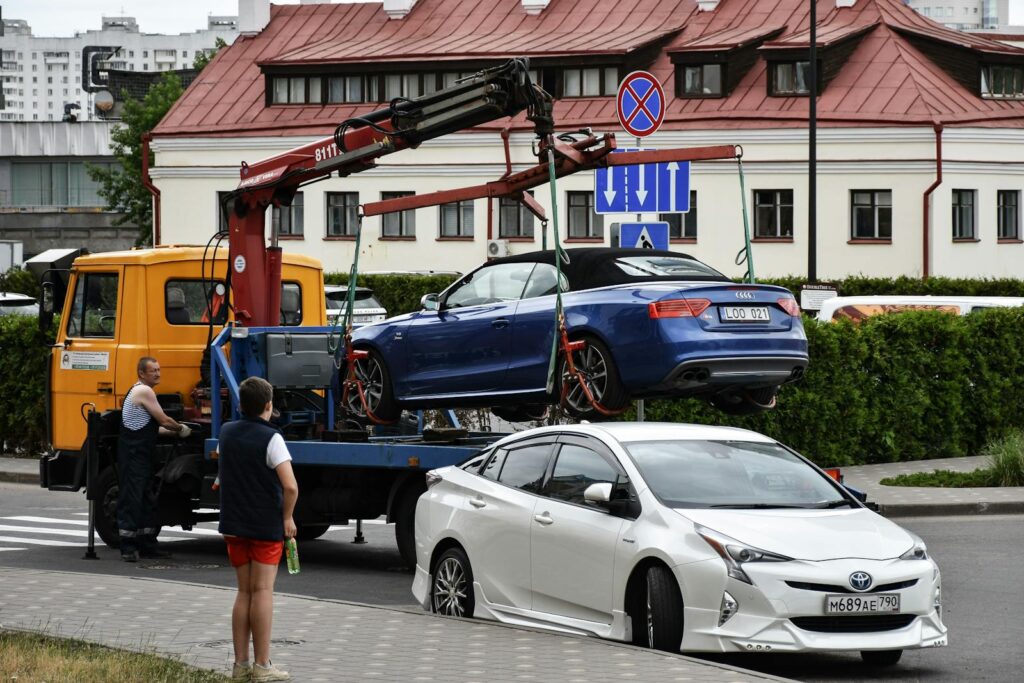
Zero tolerance laws remove the leeway drivers used to expect. If signage or a lease says a car must move, a tow truck can be called the moment the rule is broken — even for an expired registration, an improperly displayed permit, or parking a few inches over a line. You no longer rely on a verbal warning or a short grace period.
Expect faster notifications and stricter retrieval requirements. Towing companies and property owners may charge immediate impound fees and daily storage without negotiation. Your best defenses are clear photos, timestamps, and knowing the exact rule cited when your car is hooked.
How Zero Tolerance Laws Became the Norm
Municipalities and property managers pushed zero-leniency rules to reduce disputes and liability. After high-density development and shared parking lots increased conflicts, developers and HOA boards favored strict enforcement to guarantee turnover and revenue. Some police departments also prefer clear-cut policies to cut paperwork when private parties request tows.
Legislatures in some states codified these practices to standardize enforcement. Others left it to local ordinances and contracts between cities and towing firms, which can create stark differences block by block. This legal patchwork means you must check local code or parking agreements wherever you park.
Immediate Consequences: Why Towing Happens More Often
Under zero-leniency regimes, triggers for towing multiply and response times shorten. Common triggers include unpaid meters, expired tags, disabled permits, blocking a driveway, or even minor HOA violations. Tow companies often monitor lots and work on tight contracts that reward rapid removals.
Once your car is towed you face on-the-spot release fees, daily storage, and sometimes administrative fines. Documentation matters: ask for the violation code, take photos, and get the tow company’s paperwork. If enforcement seems abusive or violates state rules, check consumer protection guidance and local towing regulations such as those summarized in this nationwide towing analysis.
Impact of Zero Tolerance on Underage Drinking and Driving
Zero tolerance raises the legal stakes for anyone under 21 who drives after drinking, changes how police and courts handle cases, and can leave lasting marks on a young person’s record and daily life.
Strict Penalties for Underage Offenders
You face much lower blood-alcohol thresholds under zero tolerance—often 0.01%–0.02%—so a single drink can trigger penalties. Administrative actions commonly include license suspension for 30 days to a year on a first offense, plus fines and mandatory alcohol education programs.
Criminal charges may not always follow, but the administrative record affects job and school opportunities. Some states add vehicle impoundment or towing fees when an underage driver is stopped and the car is seized. That can mean immediate out-of-pocket costs above fines and court fees.
Enforcement Practices Across the Nation
Police routinely use the same DUI stops, checkpoints, and field sobriety testing for drivers under 21, but outcomes differ by state. Some states strictly enforce zero tolerance with routine checkpoints and low-tolerance breath-testing, while others rely more on suspicion-based stops.
Variations in state law include different BAC thresholds, administrative hearing rights, and whether a zero tolerance violation is treated as a civil infraction or a criminal offense. For a readable overview of how state limits work, see this guide to zero-tolerance underage DUI laws.
Long-Term Consequences for Young Drivers
A zero tolerance violation can follow you beyond the immediate penalty: suspended driving privileges can hinder getting to work or school, and records can affect insurance rates and future background checks. Employers and colleges sometimes view alcohol-related violations unfavorably.
Research also links adolescent exposure to zero tolerance with reduced binge drinking and better health and labor outcomes decades later. That suggests early enforcement can change habits, but it also underscores why policy details—penalty length, record-sealing options, and diversion programs—matter for your long-term prospects. For evidence on long-run impacts, review findings on adolescent exposure to zero tolerance laws and later-life outcomes.
More from Steel Horse Rides: