

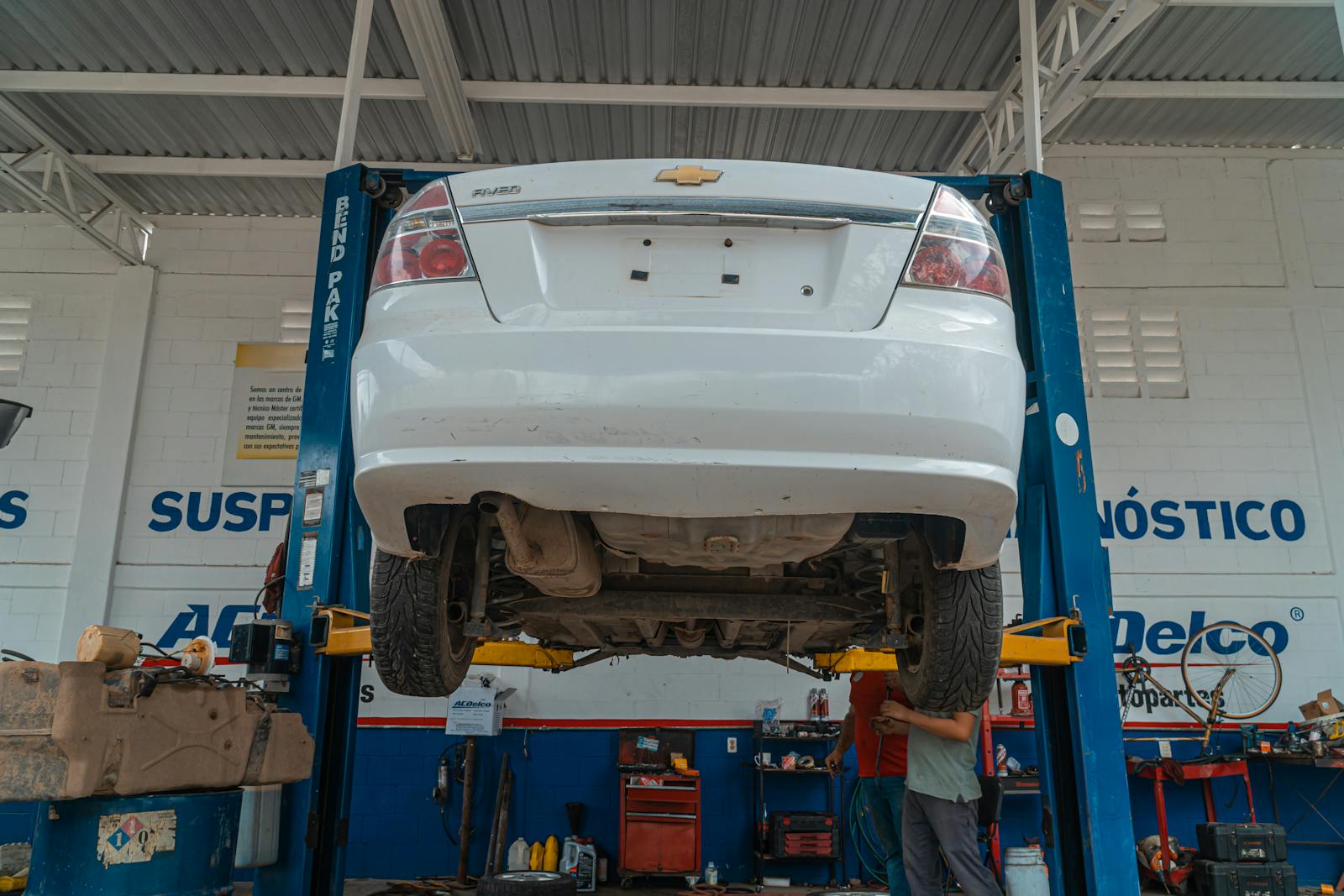
You’ve probably noticed that keeping an older car running now costs more than it used to. Parts have become pricier, labor rates have climbed, and new vehicle technology makes some fixes more complex — all of which add up at the shop’s counter. Expect repair bills on older vehicles to rise because replacement parts, diagnostic work, and skilled labor are becoming more expensive and harder to source.
That means your wallet and maintenance plan both need attention: you’ll weigh whether a repair makes financial sense or if it’s time to explore alternatives. The next sections will explain what’s driving the price jump, how it affects ownership decisions, and practical steps you can take to manage or reduce those costs.
Why Repairing Older Vehicles Costs More Now
Repairs are getting pricier because replacement parts, technician labor, vehicle electronics, and trade policies all push costs up. You’ll feel it when a simple bumper or sensor replacement takes more time and costs more than it did a few years ago.
Rising Prices of Auto Parts
Parts prices have climbed for both original-equipment and aftermarket components. Imported components like bumpers, sensors, and semiconductor chips rose after tariff changes and shipping cost spikes. That means a part you used to buy cheaply from an aftermarket supplier can now carry a larger markup.
You should expect higher retail prices for common items such as brake rotors, alternators, and electronic sensors. When a repair shop orders multiple parts for one job, shipping and handling add onto the invoice, and shops often pass that through to you.
If your vehicle is older, some parts go out of production and become scarce. That scarcity pushes you toward used or reconditioned parts, which can carry premium pricing or come with limited warranties.
Labor Shortages and Wage Increases
You’ll pay more when qualified technicians are hard to find. The industry has faced a steady shortfall of trained technicians, driven by retirements and fewer new entrants into skilled trade programs. Shops respond by raising wages to retain staff, and those higher payroll costs appear on repair bills.
Repair work on vehicles with advanced systems takes longer, too. Longer job times mean higher labor hours billed to you. Independent shops and dealerships both use hourly labor rates; when demand outstrips technician supply, rates climb.
You might see flat-rate pricing change for complex repairs. If a job that once took an hour now takes two because a tech needs extra diagnostic time, your labor charge doubles accordingly.
Increased Complexity and Technology in Newer Models
Modern vehicles add cost even for older-model repairs because shared components and repair procedures have evolved. Features like ADAS cameras, parking sensors, and hybrid powertrains require specialized tools and calibration, which not every shop has.
When a repair requires calibration or factory-level diagnostics, you’ll often be steered to a dealer or specialty shop. That raises both parts and labor costs. Even routine collision repairs can become expensive if bumper covers contain embedded sensors that must be reprogrammed.
As the average age of vehicles on the road increases, you’ll see more older cars with updated tech retrofitted or surviving alongside new models, creating a market where specialized tech skills and tools command premiums.
Tariffs and Supply Chain Disruptions
Trade policy and global logistics now affect everyday repair prices. Tariffs on imported auto parts raise the invoice on parts manufactured overseas, and some suppliers raise list prices in anticipation of regulation changes. You experience this as higher parts costs even for common replacements.
Supply chain bottlenecks also lengthen lead times. If a needed part sits on backorder for weeks, shops may source a higher-priced aftermarket or rebuilt unit to avoid long delays. Those expedited sourcing choices add cost, which you end up paying.
When multiple factors combine — tariffs, port congestion, and limited parts inventories — shops often include a sourcing surcharge or simply pass through higher manufacturer prices. That makes routine repairs noticeably more expensive than they were a few years ago.
How Rising Costs Affect Owners and What You Can Do
Rising parts and labor costs mean you’ll pay more for everyday repairs and for fixes that used to be routine. You can limit surprises by keeping a tighter maintenance schedule, tracking repair history, and shopping prices for parts and labor.
Preventative Maintenance: Avoiding High Repair Bills
Stick to your vehicle’s maintenance schedule in the owner’s manual and log every service. Regular oil/filter changes, timing-belt checks, brake fluid flushes, and cabin-filter replacements reduce the chance of larger failures that require expensive parts or long labor hours.
Replace wear items on a timetable, not only when they fail. For example: replace tires at 4/32″ tread remaining for safety and to avoid rim or alignment damage later. Rotate tires every 6,000–8,000 miles to extend life and maintain fuel economy.
Use OEM-equivalent aftermarket parts when appropriate to lower parts cost, but verify warranty and fit. Get written estimates from two shops for any repair above $500. Ask shops to show the old part after replacement to confirm work.
Impact on Auto Insurance Rates
Insurance premiums can rise if repair costs climb, because insurers pay more for collision and comprehensive claims. Your policy’s comprehensive and collision deductibles directly affect what you pay out of pocket versus what your insurer covers.
Review your coverage annually. If your car’s market value drops below three times the collision deductible, consider dropping collision to save premiums. Keep a claims history low—small claims can increase rates more than paying small repair bills yourself.
Maintain complete records of maintenance and repairs. Insurers sometimes consider a well-maintained vehicle less risky and may offer discounts or more favorable underwriting. Compare quotes from at least three insurers after major rate changes to avoid overpaying.
Weighing Repairs Versus Buying a New Car
Calculate the repair-to-value ratio before investing in a major fix. If the repair cost exceeds 40–50% of your car’s current market value, selling or trading the vehicle could be more economical than repairing it.
Consider non-monetary factors: reliability needs, commute length, and loan/insurance costs for a replacement. A $2,000 transmission repair might make sense if your car is otherwise reliable and insured inexpensively. But repeated failures or rising insurance premiums may push you toward a newer, more efficient model.
Get a used-car inspection before you buy a replacement. Factor in dealer fees, sales tax, increased registration, and likely higher insurance on newer or pricier models. Balance those ongoing costs against the one-time repair to make a rational choice.