
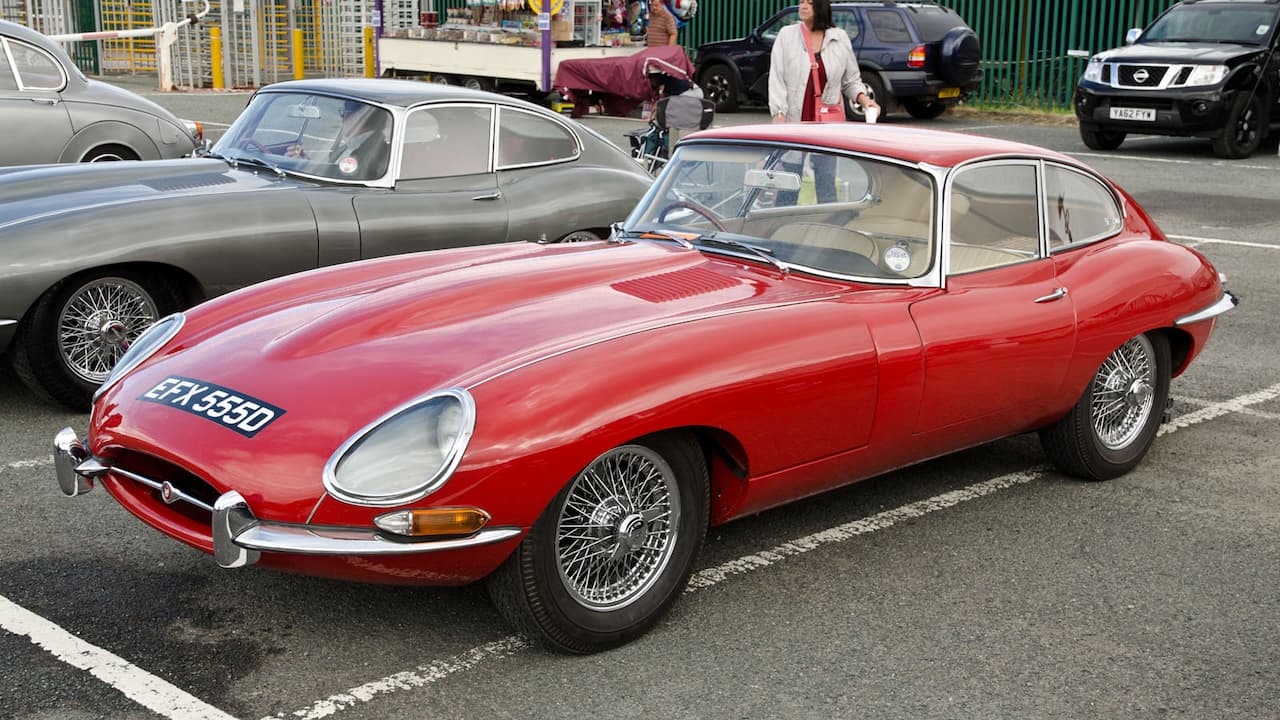

European cars have played a significant role in shaping the automotive industry. From engineering innovations to design advancements, these vehicles have influenced how cars are built and perceived worldwide.
This article highlights ten European cars that have had a lasting impact on automotive history, showcasing their contributions to technology, culture, and industry standards. Understanding these models helps explain the development of modern vehicles and their global appeal.
Mercedes-Benz 300SL Gullwing
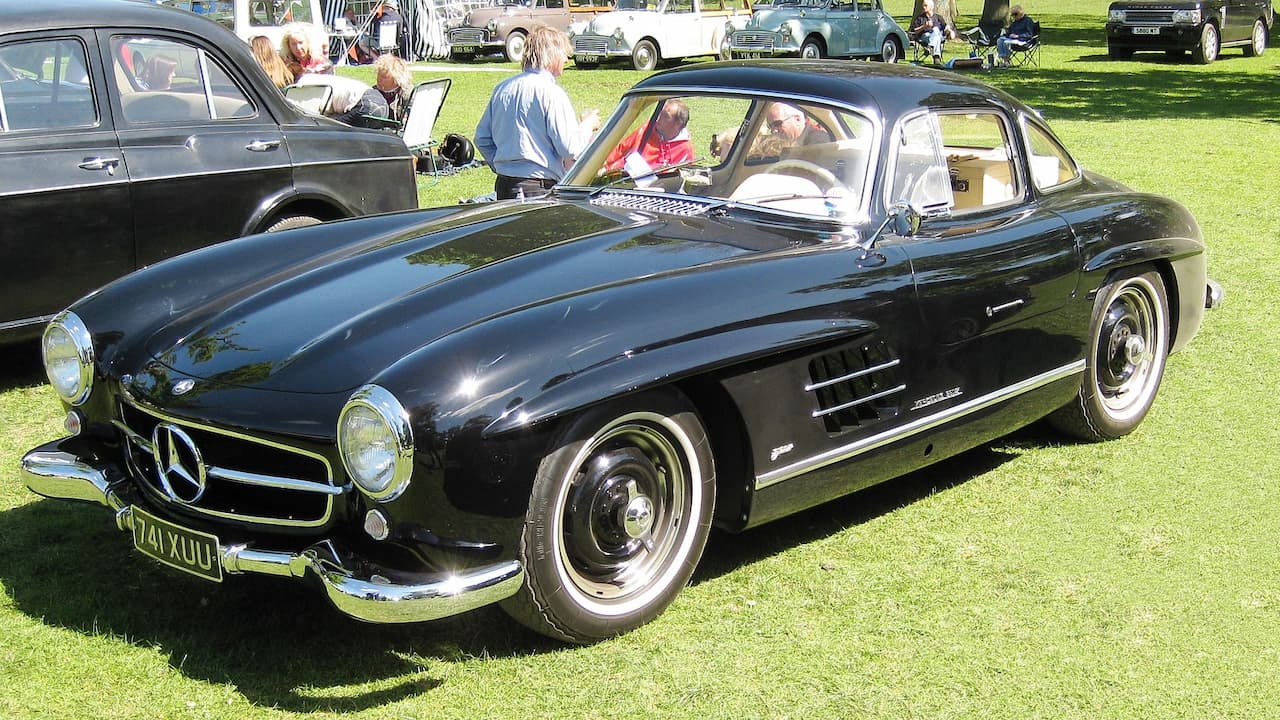
The Mercedes-Benz 300SL Gullwing was produced from 1954 to 1957. It is known for its distinctive upward-opening doors, which gave the car its nickname.
Based on the W194 race car, the 300SL was notable for advanced engineering, including a lightweight frame and fuel injection. It was one of the fastest production cars of its time.
The 300SL remains a symbol of innovation and design, influencing sports cars that followed. Its combination of performance and style marked a significant moment in automotive history.
Jaguar E-Type
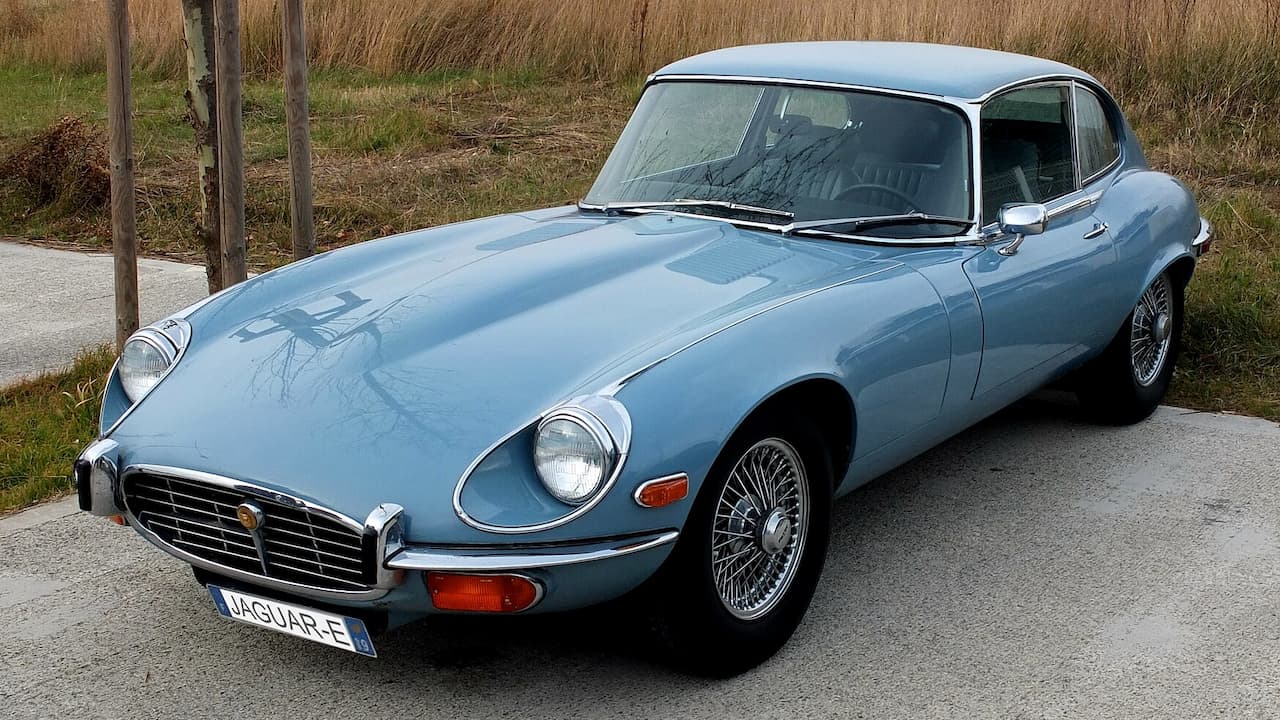
The Jaguar E-Type was introduced in 1961 and quickly became an icon of automotive design. Its sleek, curvaceous body combined with strong performance redefined expectations for sports cars.
Produced until 1975, the E-Type evolved through Series 1, 2, and 3 versions, each refining its design and mechanics. It remains recognized for its influence on both European and global sports car markets.
Volkswagen Beetle

The Volkswagen Beetle, also known as the Volkswagen Type 1, was produced from 1938 to 2003. It was designed by Ferdinand Porsche under a directive from Adolf Hitler to create an affordable “people’s car.”
The Beetle became a symbol of reliable, economical transportation in Europe and beyond. Its distinctive shape and engineering simplicity helped it achieve global success.
Mini Cooper
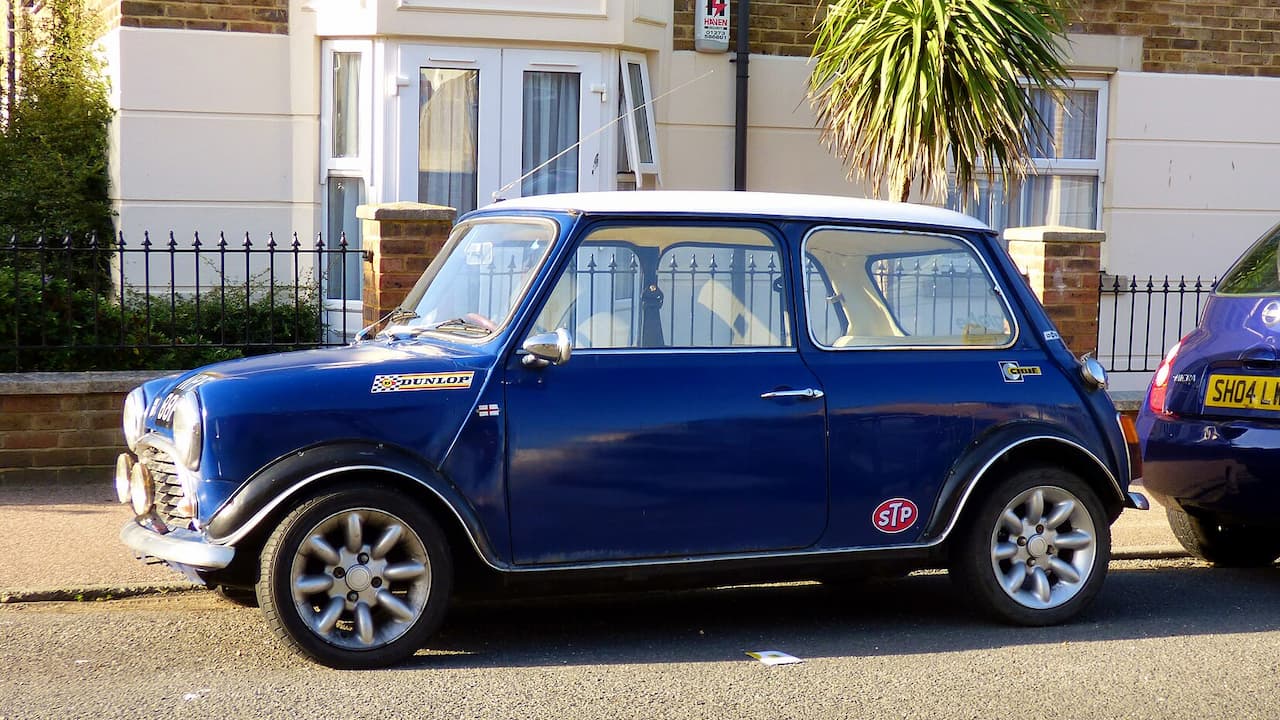
The Mini Cooper revolutionized small car design with its compact size and efficient use of space. It gained fame in the 1960s by dominating events like the Monte Carlo Rally, proving its performance capabilities.
Its innovative front-wheel-drive layout maximized interior space while maintaining agility. The Mini Cooper’s influence extended beyond motorsport, shaping the development of small, practical cars worldwide.
Citroën DS
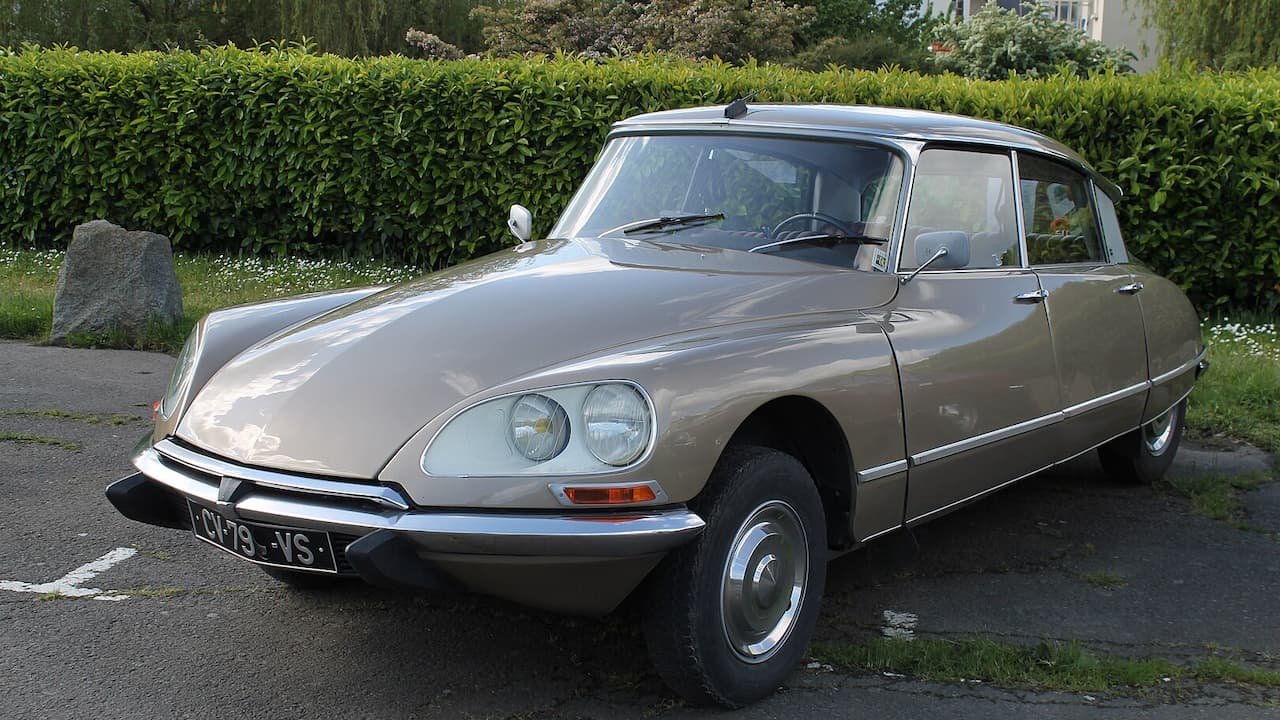
The Citroën DS was produced from 1955 to 1975 and introduced revolutionary design and technology. It featured a front mid-engine layout with front-wheel drive, unusual for its time.
The car’s hydropneumatic suspension system offered an exceptionally smooth ride. Its aerodynamic shape and advanced engineering set new standards in the executive car segment.
The DS remains influential due to its innovative approach to comfort, safety, and style, marking a significant shift in automotive design.
BMW 2002
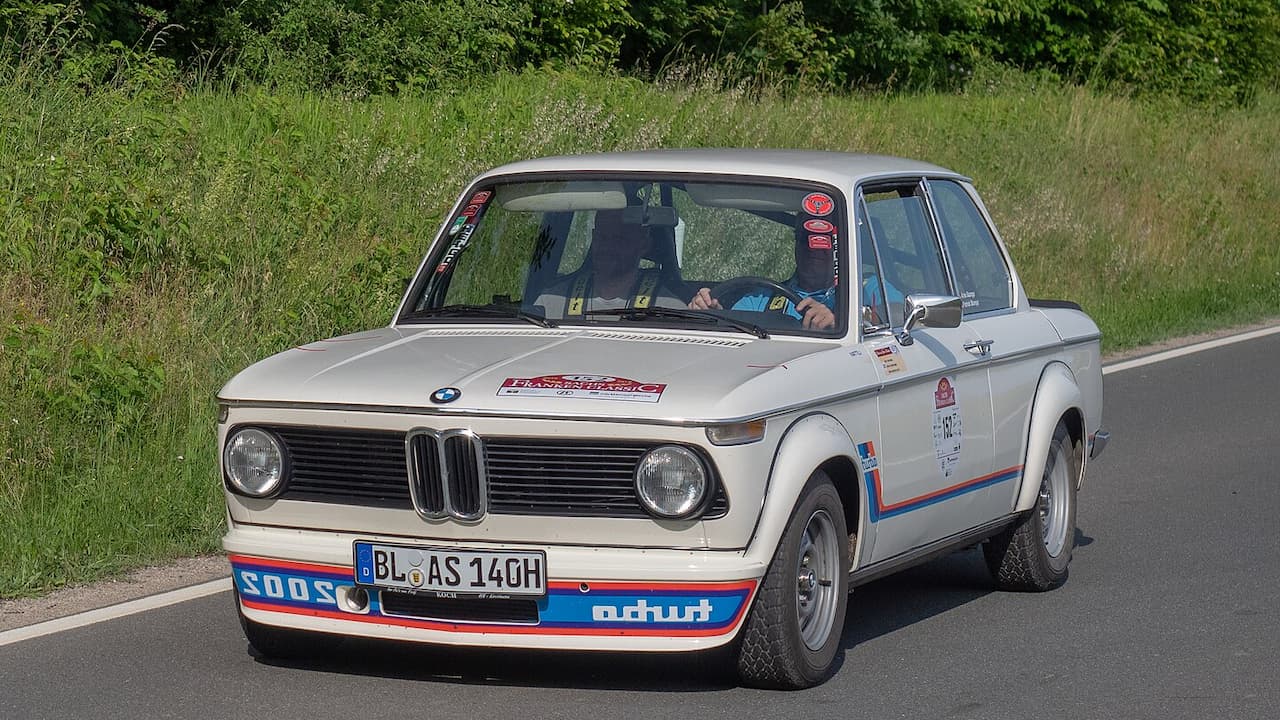
The BMW 2002, produced from 1966 to 1977, was based on a shortened version of the BMW 1500 platform. It featured a lighter body and a shorter wheelbase, improving agility and performance.
Its two-liter engine delivered reliable power, making it a popular sporty compact executive car. The 2002 helped establish BMW’s reputation for producing driver-focused vehicles that balanced practicality and excitement.
Alfa Romeo Giulia Sprint
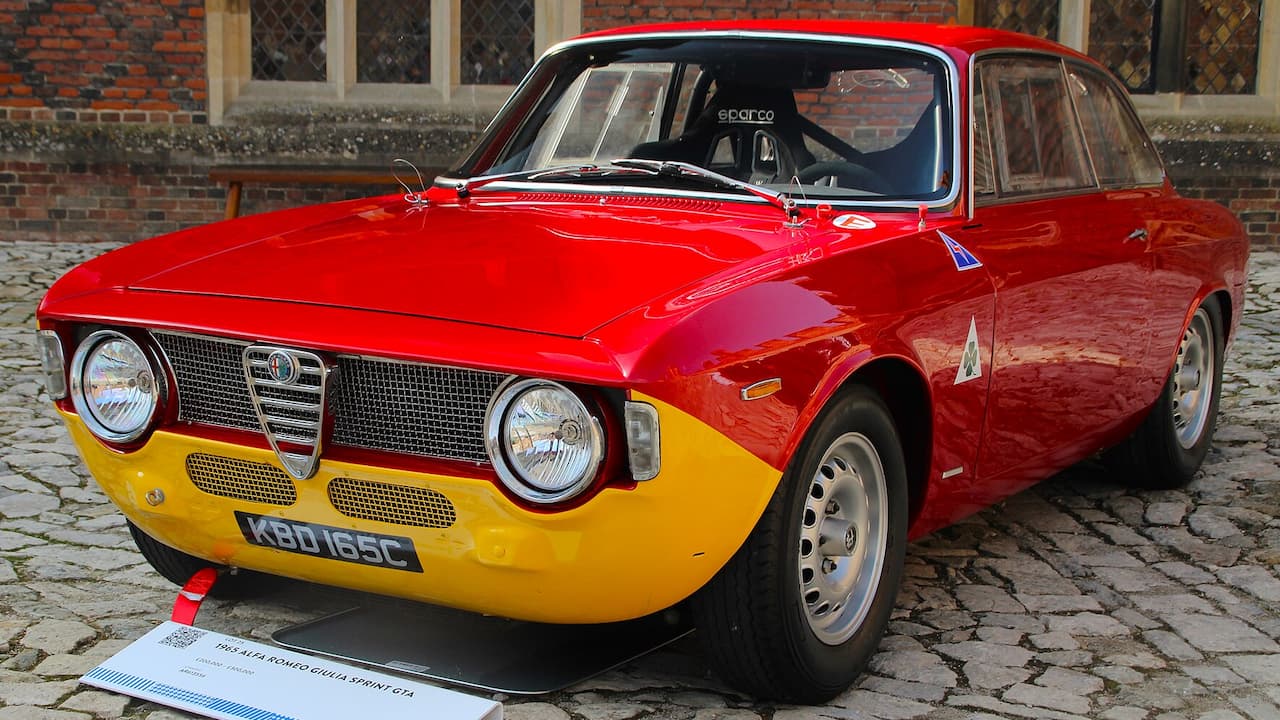
The Alfa Romeo Giulia Sprint debuted in the early 1960s as a compact sports coupe. It combined lightweight design with advanced engineering for its time.
The Giulia Sprint GTA variant was produced in limited numbers to meet racing homologation rules. It featured aluminum body panels and a more powerful engine.
Its balance of performance and style helped establish Alfa Romeo’s reputation in motorsports and influenced car design in Europe.
Aston Martin DB5

The Aston Martin DB5 is a British luxury sports car introduced in 1963. It features a 4.0-liter inline-six engine producing 282 horsepower.
The model gained widespread recognition through its appearance in the 1964 James Bond film Goldfinger. It became symbolic of British automotive design and elegance during the 1960s.
The DB5 marked a high point for Aston Martin, influencing sports car design with its blend of performance and style.
Fiat 500
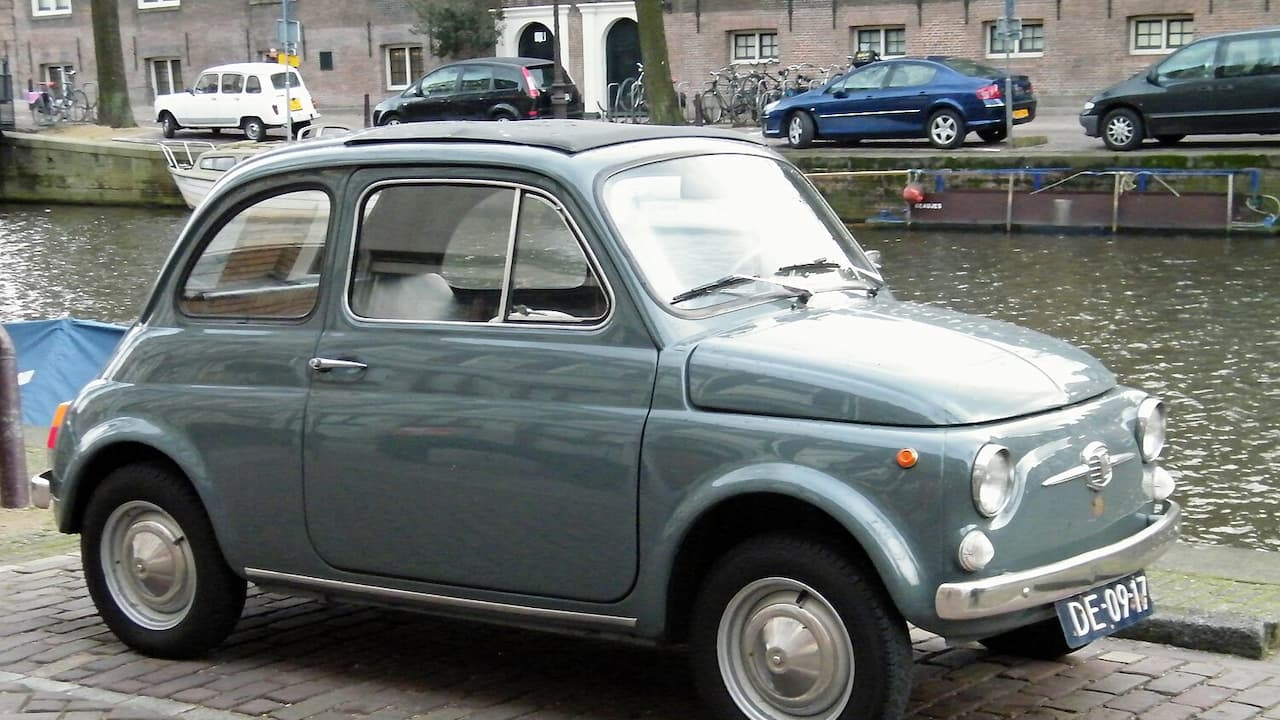
The Fiat 500 was introduced in 1957 as a small, affordable city car. It featured a compact design with a 479 cc two-cylinder engine, producing 13 horsepower.
Its size and efficiency made it popular in post-war Europe, addressing the demand for economical transportation. The Fiat 500 became an icon of Italian automotive culture due to its practicality and distinctive style.
Rolls-Royce Silver Shadow
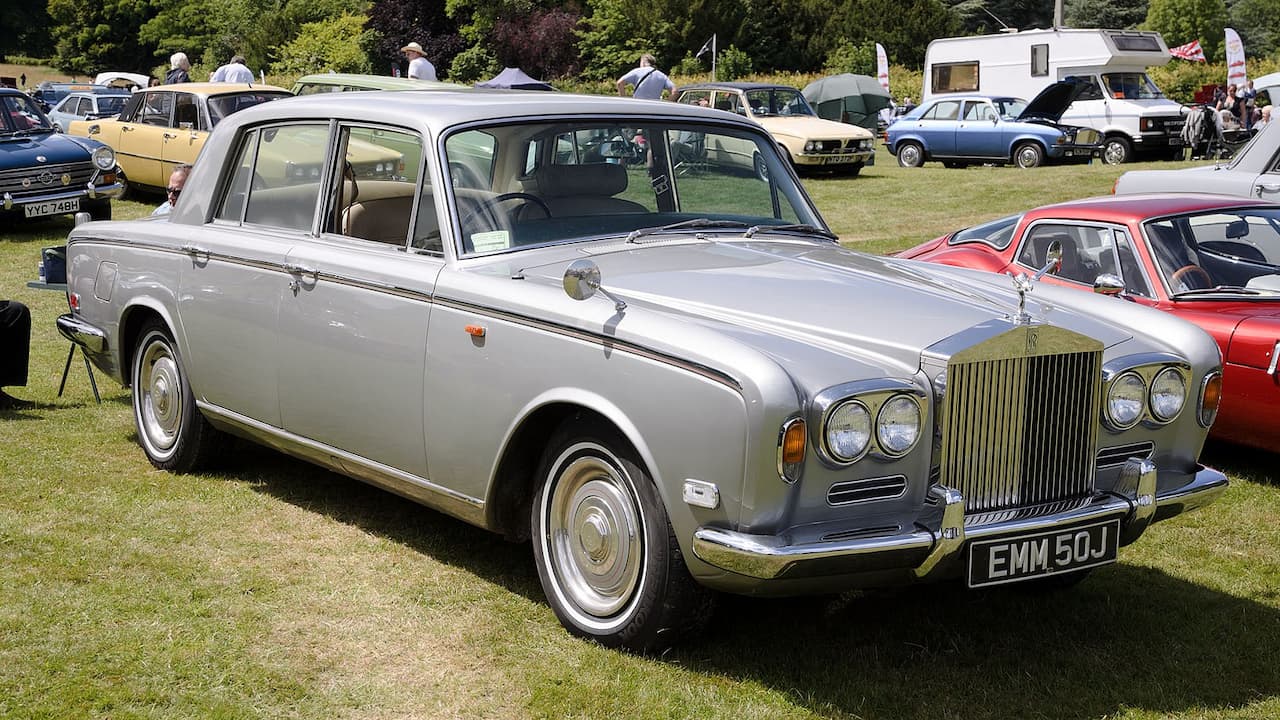
The Rolls-Royce Silver Shadow was produced from 1965 to 1980. It marked a significant design shift, moving away from traditional coachbuilding to a fully integrated unibody structure.
This model introduced modern engineering advancements, including hydraulic self-leveling suspension. The Silver Shadow quickly became one of Rolls-Royce’s most successful and influential cars.
Its combination of luxury, innovation, and updated construction helped define the brand’s modern identity.