
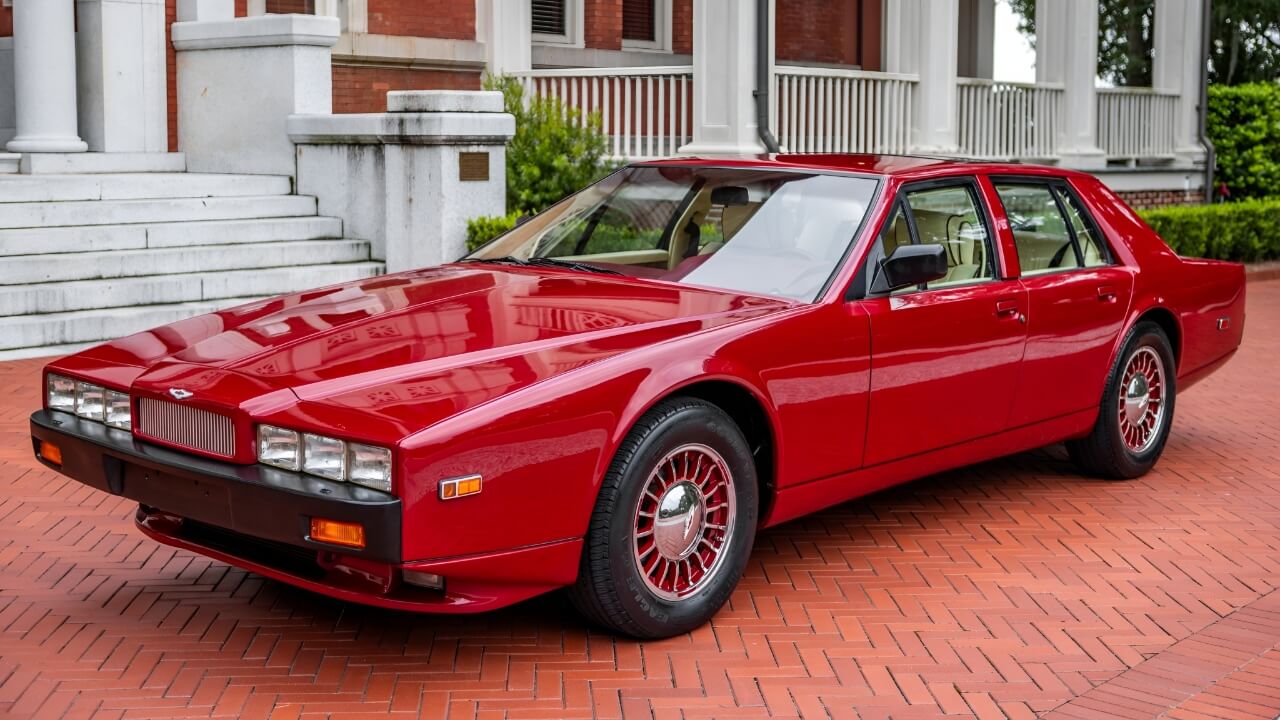

European sports cars have long been celebrated for their blend of performance, design, and engineering innovation. They have shaped the automotive world by setting standards in speed, style, and driving experience.
This article highlights twelve of the most iconic European sports cars ever made, showcasing models that have left a lasting impact on the industry and enthusiasts alike. Each car represents a unique combination of heritage and craftsmanship, reflecting the diverse automotive culture across Europe.
Porsche 911
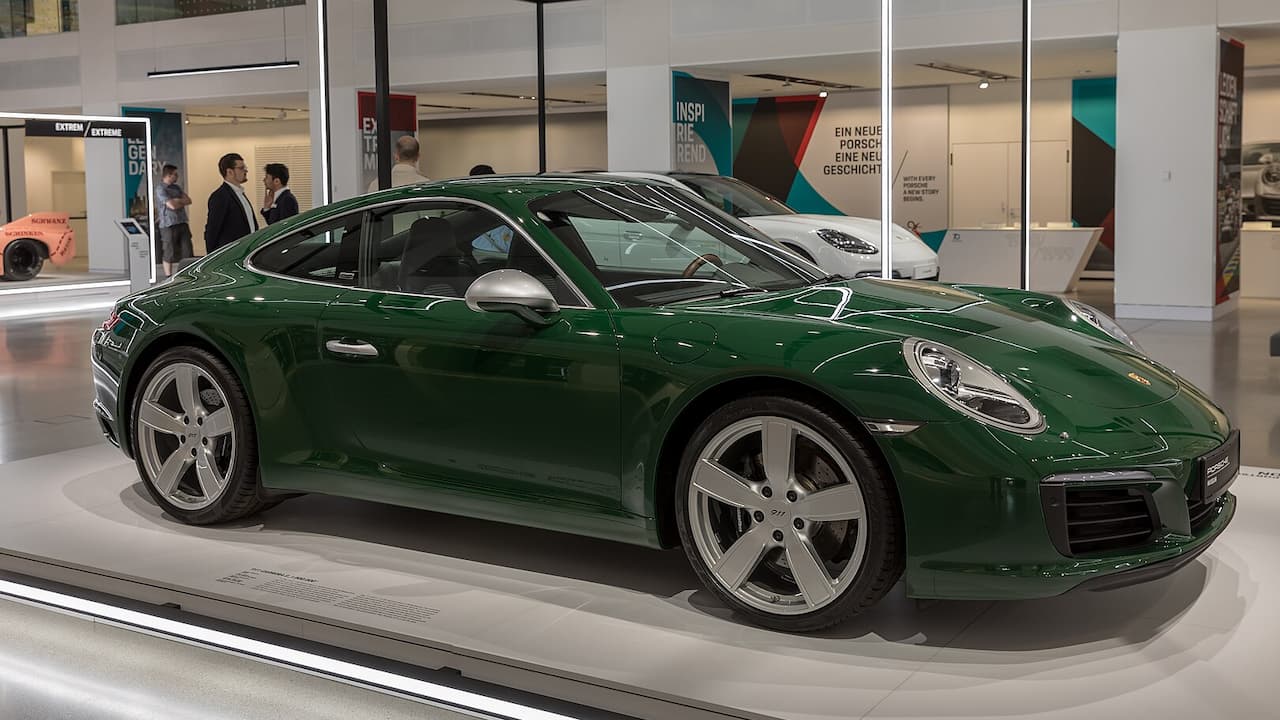
The Porsche 911 is one of the most enduring and recognizable European sports cars. It has been in continuous production since 1964, combining performance with daily usability.
Renowned for its distinctive rear-engine layout, the 911 offers sharp handling and strong engine options. Over the decades, Porsche has released many versions, including limited editions and race variants, maintaining its status as a classic and contemporary icon.
Ferrari 250 GTO
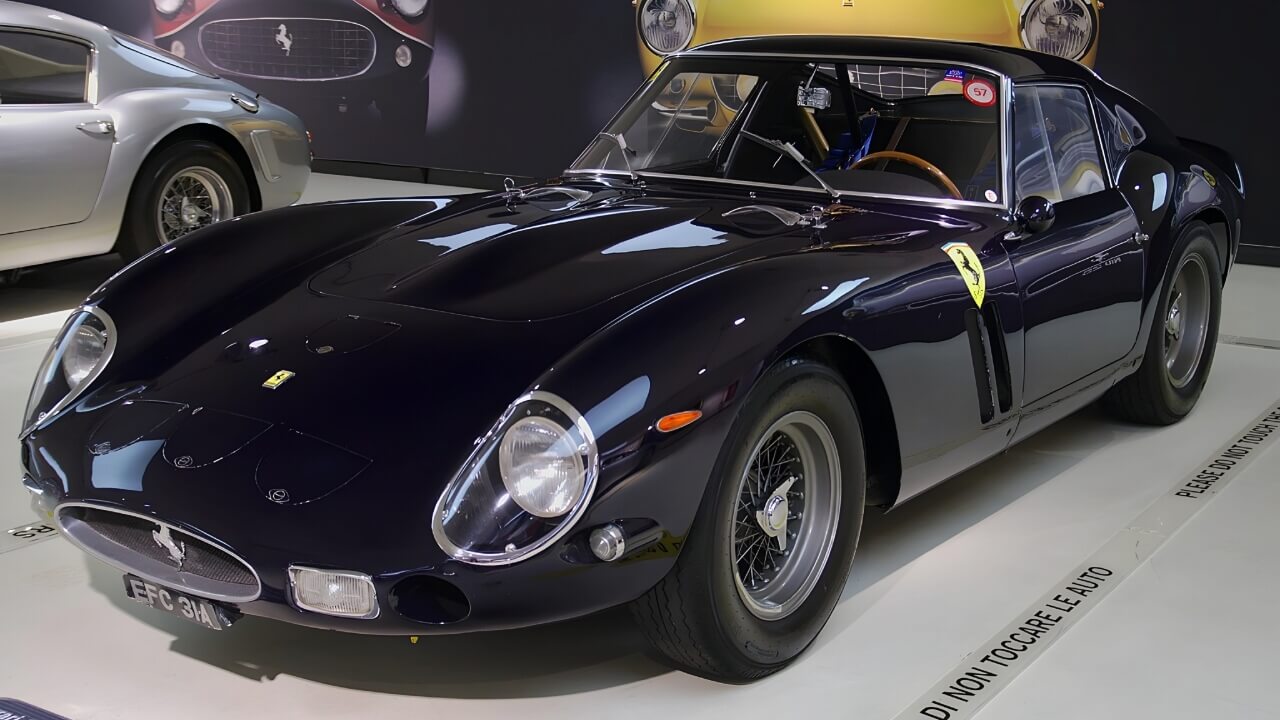
The Ferrari 250 GTO was produced between 1962 and 1964. Only 39 units were built, making it a rare and highly sought-after model.
It was designed as both a competition vehicle and a road car. The 250 GTO represented the peak of the 250 GT series development.
Its blend of design and performance established its iconic status among European sports cars. Enzo Ferrari regarded it as one of the most beautiful cars ever made.
Jaguar E-Type
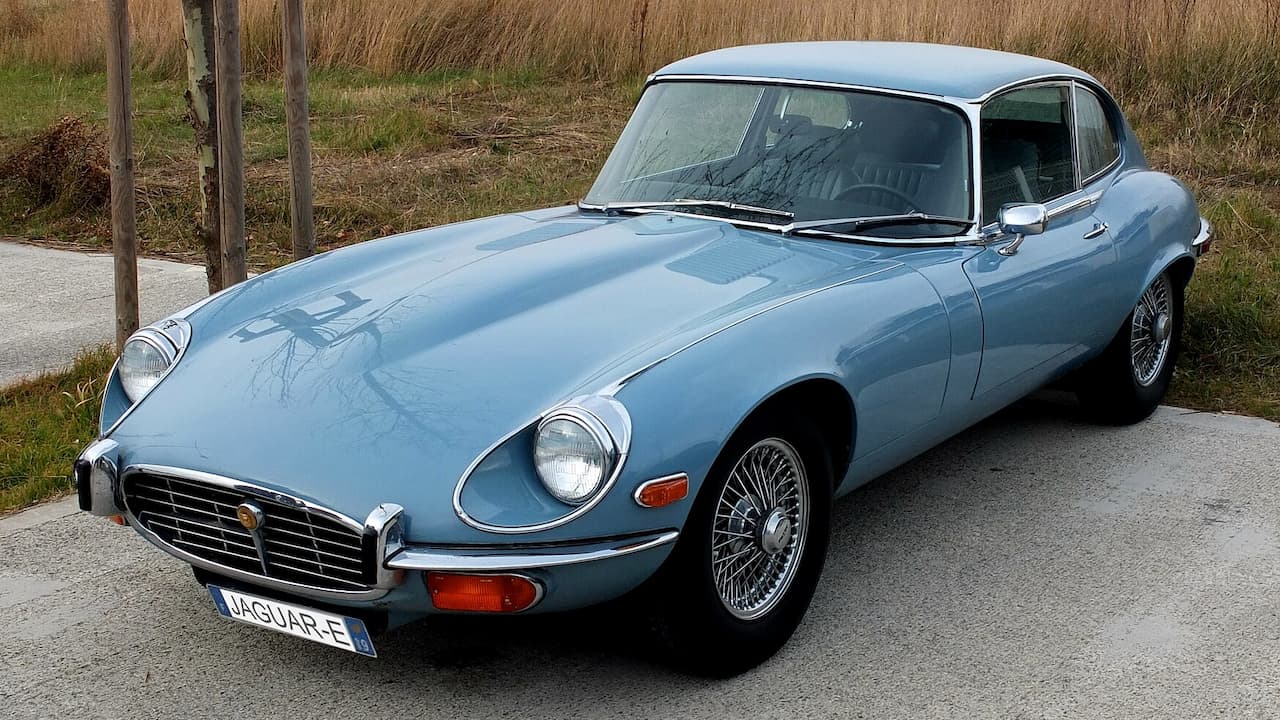
The Jaguar E-Type, introduced in 1961, quickly gained recognition for its striking design and performance. It combined elegant aesthetics with advanced engineering, offering both speed and style.
Its V12 Series III, launched in the early 1970s, was the final version, known for a powerful and refined engine. The E-Type remains an icon of British automotive design and sports car history.
Alfa Romeo GTZ Zagato
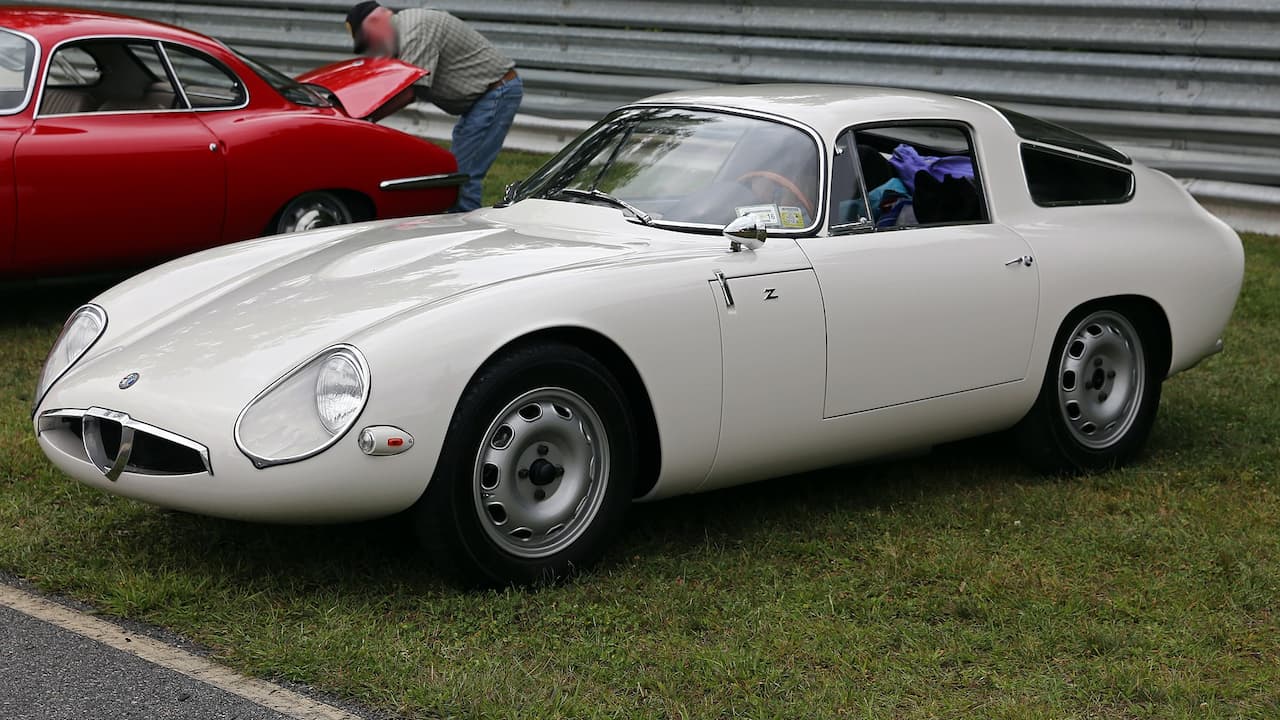
The Alfa Romeo GTZ Zagato is a rare sports car produced between 1963 and 1965. Only about 100 units were built, making it a highly sought-after model.
It features lightweight construction and elegant design by Zagato, emphasizing aerodynamics and performance. The GTZ combines Alfa Romeo’s engineering with the coachbuilder’s distinctive styling.
Mercedes-Benz 300SL Gullwing
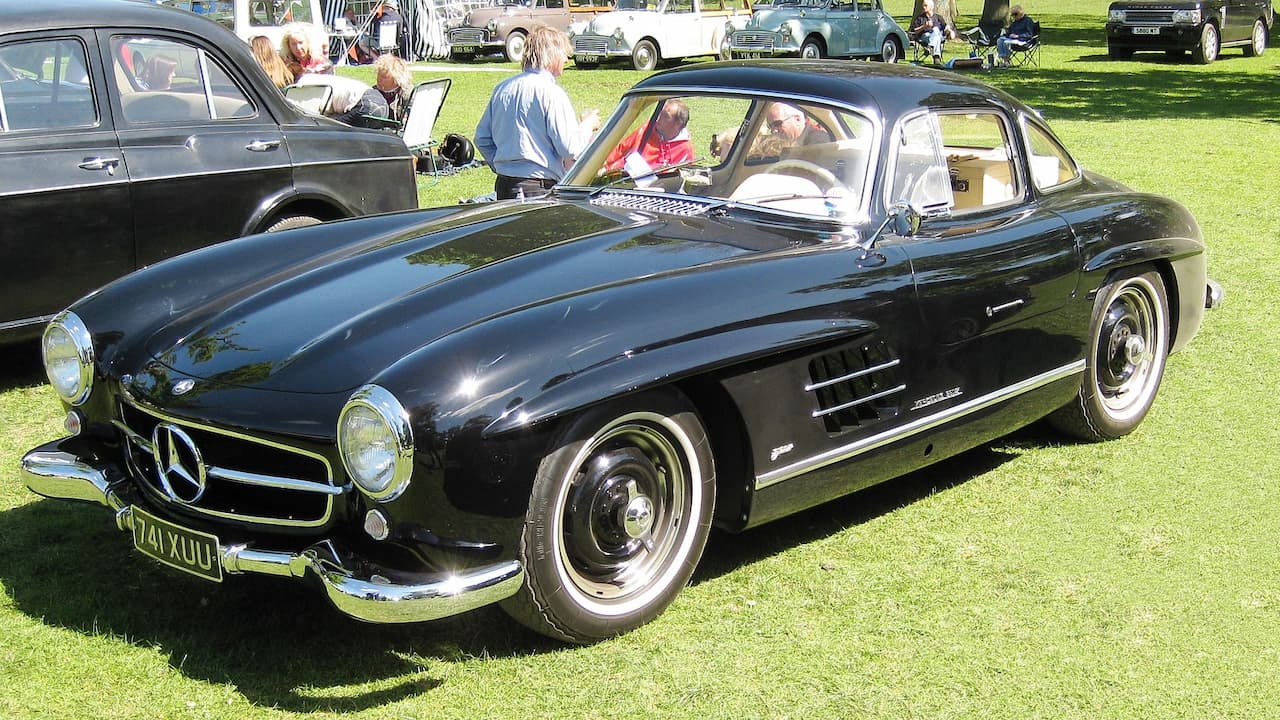
The Mercedes-Benz 300SL Gullwing was produced from 1954 to 1957. It is recognized for its distinctive upward-opening gullwing doors and advanced engineering for its time.
Powered by a 3.0-liter inline-six engine, it delivered strong performance. The 300SL could reach 150 mph and accelerate to 60 mph in about eight seconds.
Its design and technology set new standards in sports cars, making it a European automotive icon.
BMW Z3
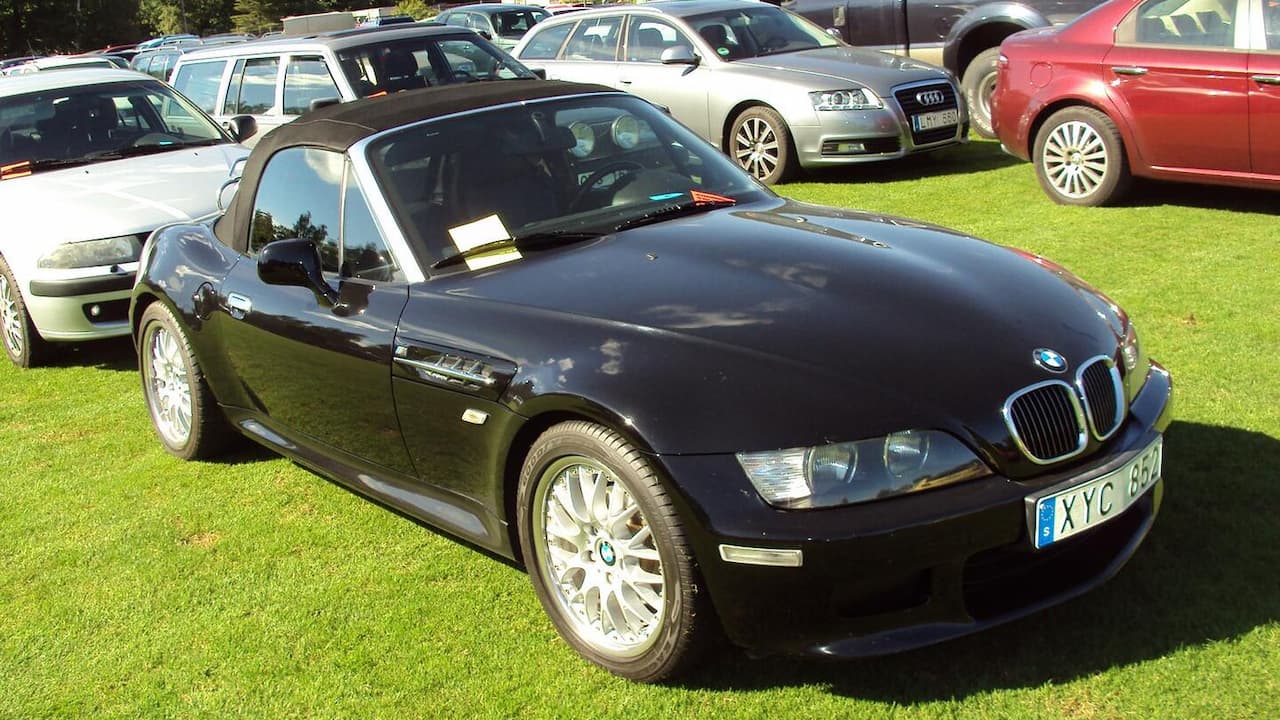
The BMW Z3 is a compact roadster introduced in the mid-1990s. It gained additional popularity from its appearance in the 1995 James Bond film, GoldenEye.
The Z3 combines parts from BMW’s E36 and E46 models, making it relatively easy to maintain. It remains a well-regarded example of BMW’s approach to affordable sports cars.
Audi 100 Coupe S (1973)
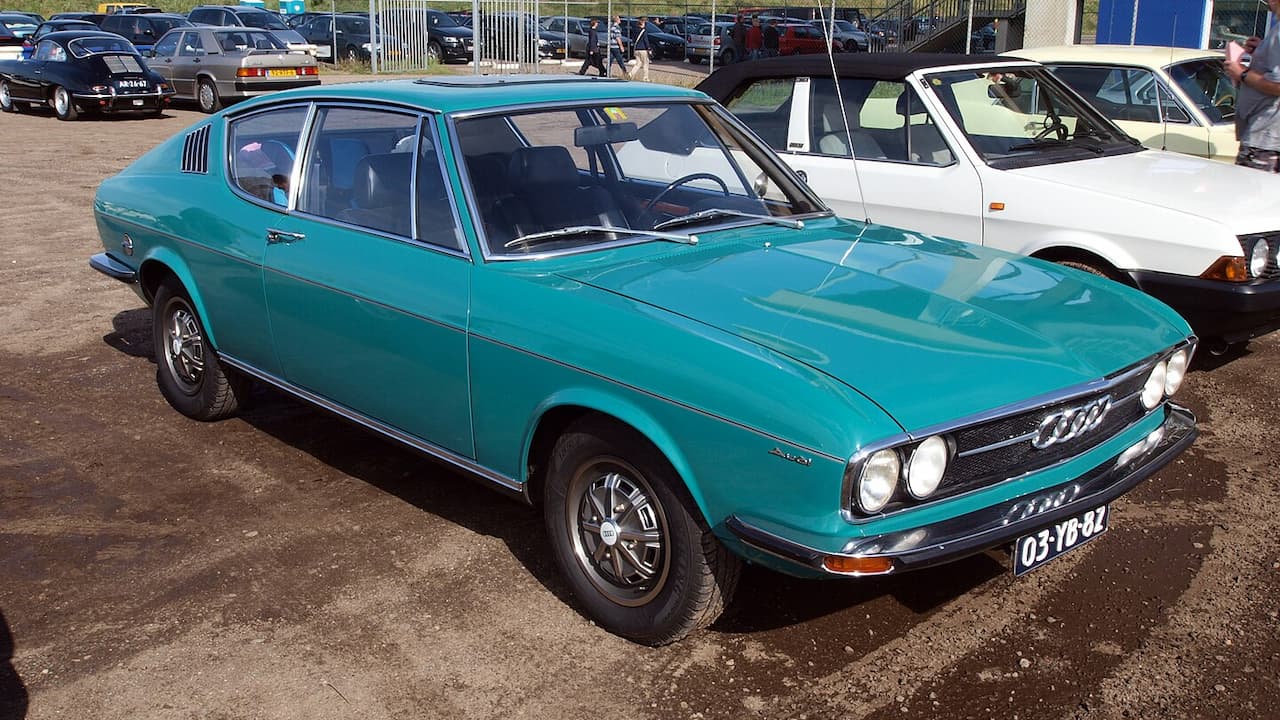
The 1973 Audi 100 Coupe S combined German engineering with a clean, practical design. It featured front-wheel drive, which was rare for sports coupes at the time, offering improved handling.
The interior was straightforward and functional, reflecting typical 1970s German style without unnecessary luxury. With around 100 horsepower from its dual carburetor setup, it provided balanced performance for its era.
This model remains appreciated for its blend of comfort, efficiency, and sporty appeal. Its unique place in Audi’s history marks it as a significant European sports coupe.
Lotus Esprit
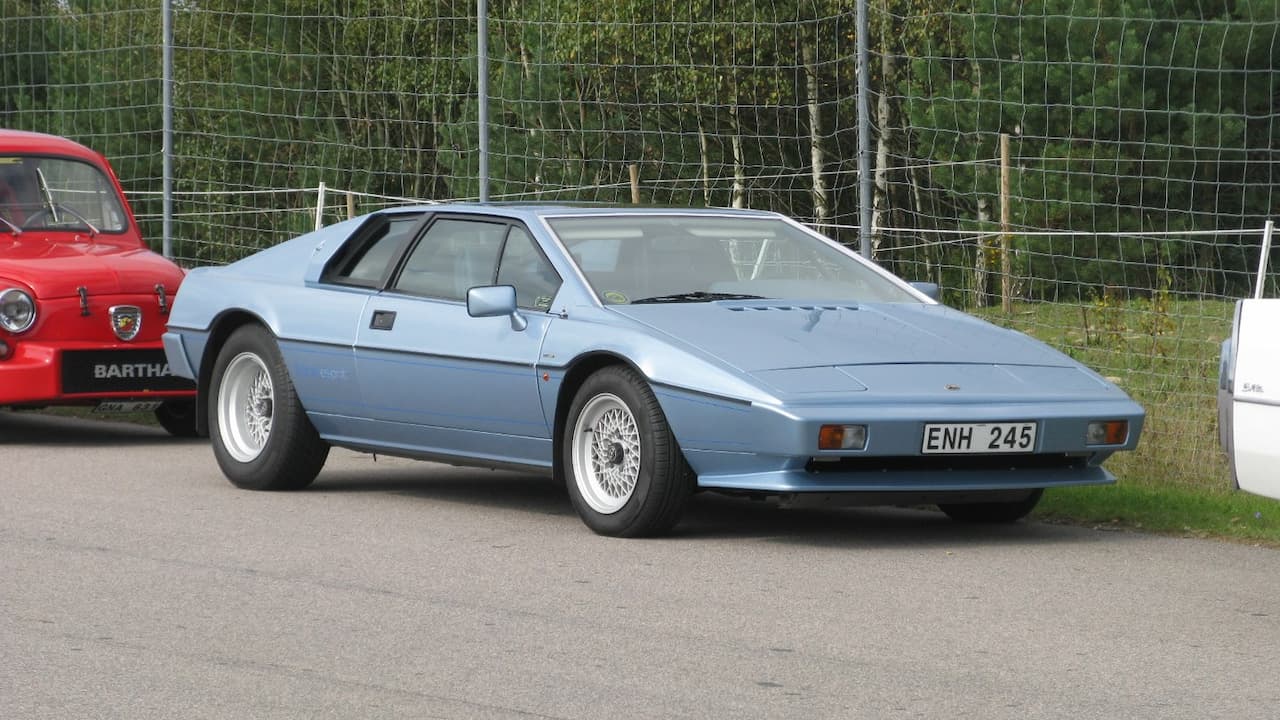
The Lotus Esprit is a British sports car produced from 1976 to 2004. It features a rear mid-engine, rear-wheel-drive layout that contributes to its balanced handling.
The car is well known for its distinctive wedge shape and lightweight construction. The turbocharged versions helped it compete with other European sports cars, such as the Ferrari 308.
Lotus built just over 10,600 Esprits during its production run. It remains an important model in the history of British sports cars.
Saab 900 Turbo
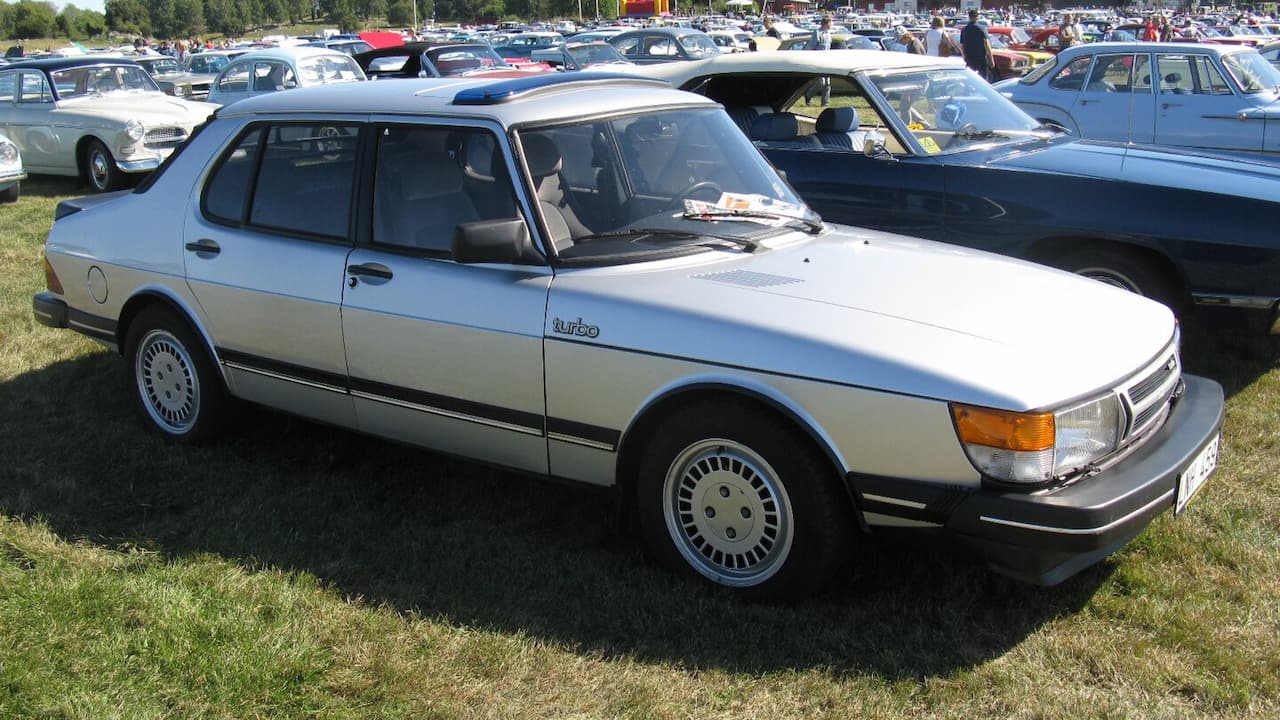
The Saab 900 Turbo is a notable example of European sports cars, produced from 1978 to 1994. It combined practical design with turbocharged performance, making it popular among enthusiasts.
This model built on the original Saab 900’s economical hatchback shape but added significant power. Its turbocharged engine offered a spirited yet manageable driving experience.
The Saab 900 Turbo is often recognized for its unique blend of innovation and everyday usability, standing out among 1980s sports cars.
Maserati Ghibli (1967)
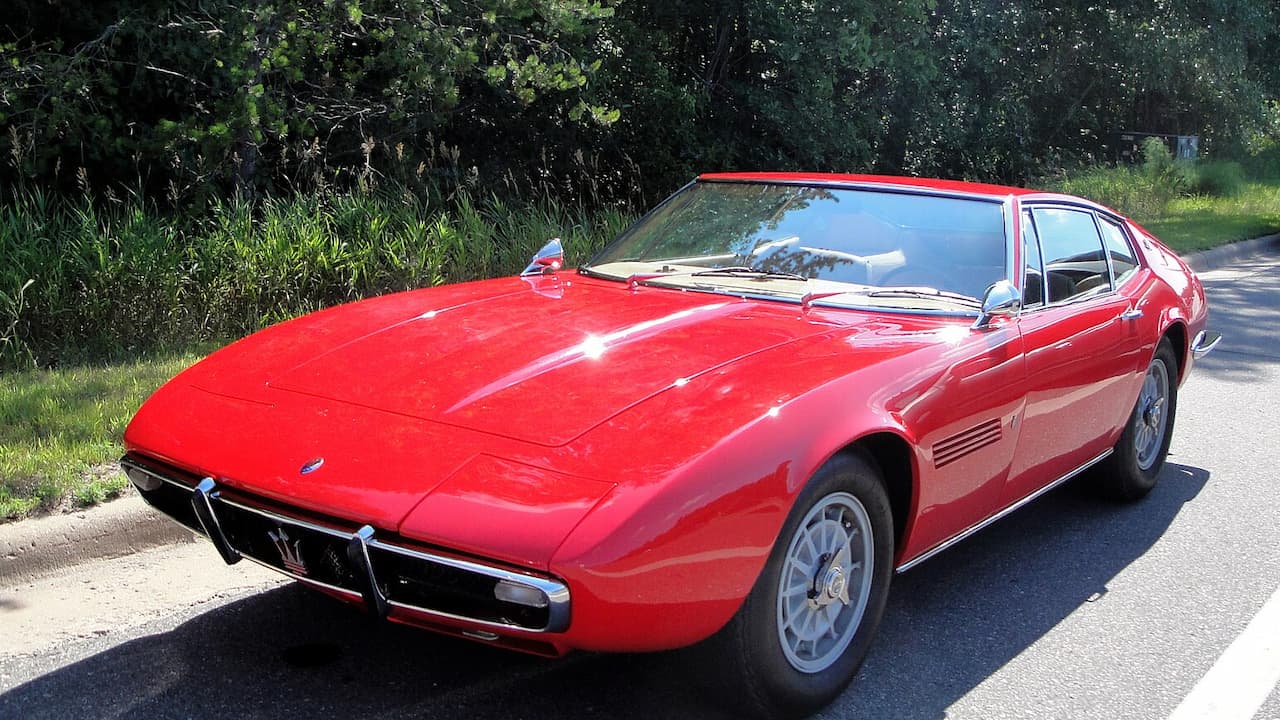
The Maserati Ghibli, introduced in 1967, is a notable Italian sports car from the late 1960s. It combined elegant design with strong performance, setting a standard for grand tourers.
Powered by a V8 engine, it balanced speed and comfort effectively. The Ghibli’s sleek, timeless lines made it a distinctive presence among European sports cars. Its production lasted until 1973.
Lancia Stratos
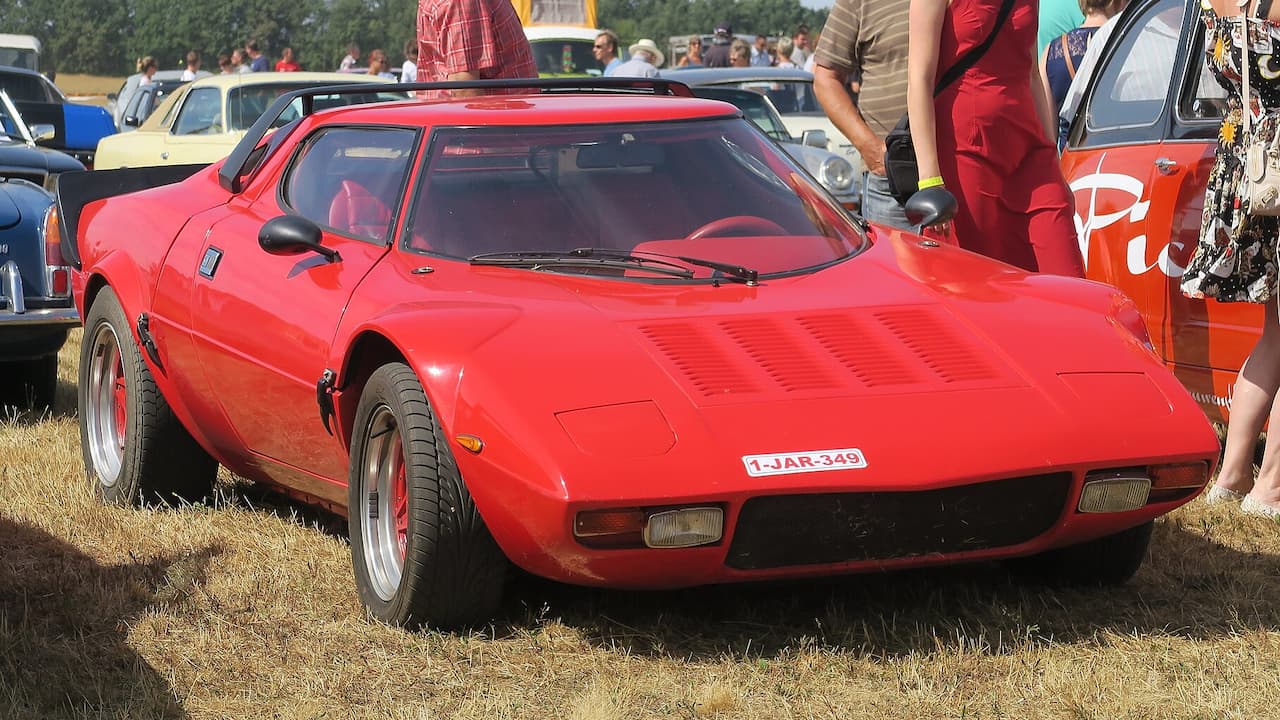
The Lancia Stratos is a rear mid-engined sports car designed specifically for rally racing. Manufactured by Lancia in the 1970s, it was built to excel in competitive rally events.
Its compact design and powerful performance made it dominant in the World Rally Championship. The Stratos earned a reputation as a difficult car to beat during its racing career.
This model remains highly regarded among enthusiasts for its distinct style and rally heritage. It represents a focused approach to racing from an era of intense competition.
Aston Martin V8 (1969-1989)
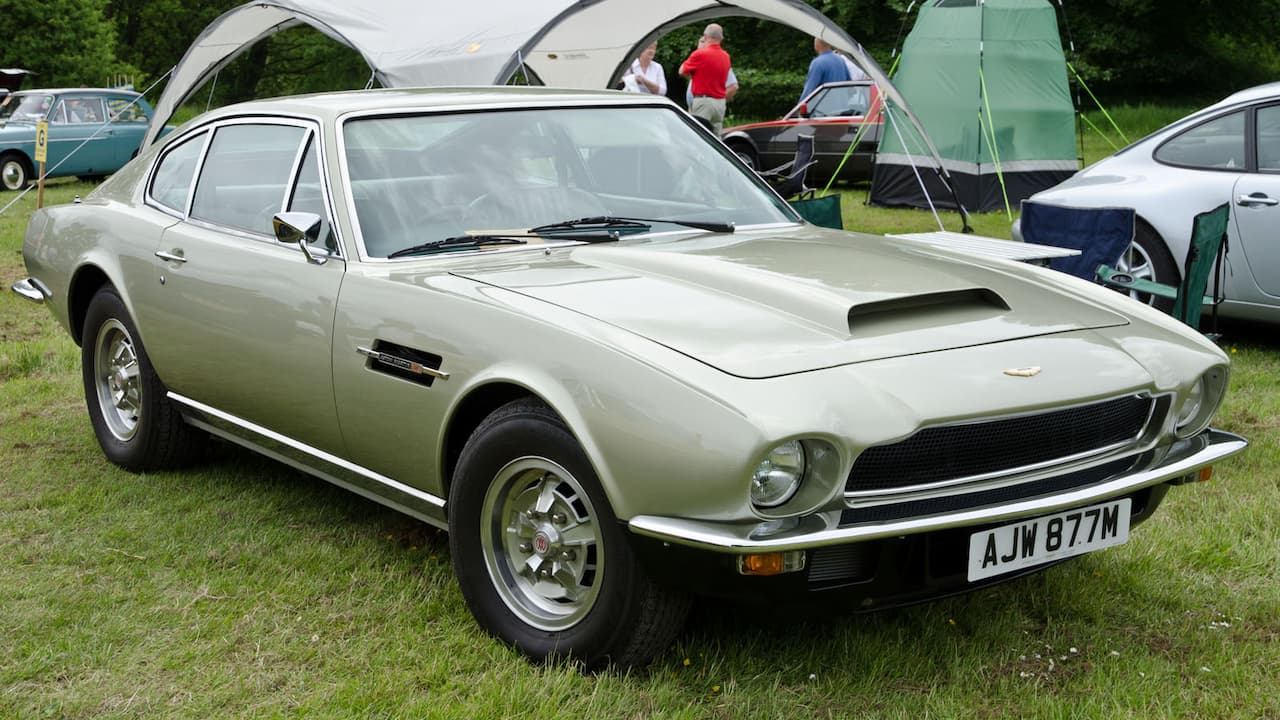
The Aston Martin V8 was produced between 1969 and 1989 as a grand tourer. It featured an eight-cylinder engine designed to deliver strong performance and luxury.
Its design reflected a blend of classic British styling with some American influences. The car gained recognition partly through its appearances in popular culture, including James Bond films. Throughout its production, the V8 remained a symbol of Aston Martin’s commitment to combining power and elegance in a high-end sports car.