

Electric cars have become increasingly popular, but they are still surrounded by many misunderstandings. These misconceptions often create hesitation for those considering a switch from traditional vehicles.
This article aims to clarify common myths and provide clear, factual information about electric cars. Understanding the realities behind these myths can help consumers make more informed decisions about electric vehicle adoption.
Myth: Electric Vehicles Are Worse For The Climate
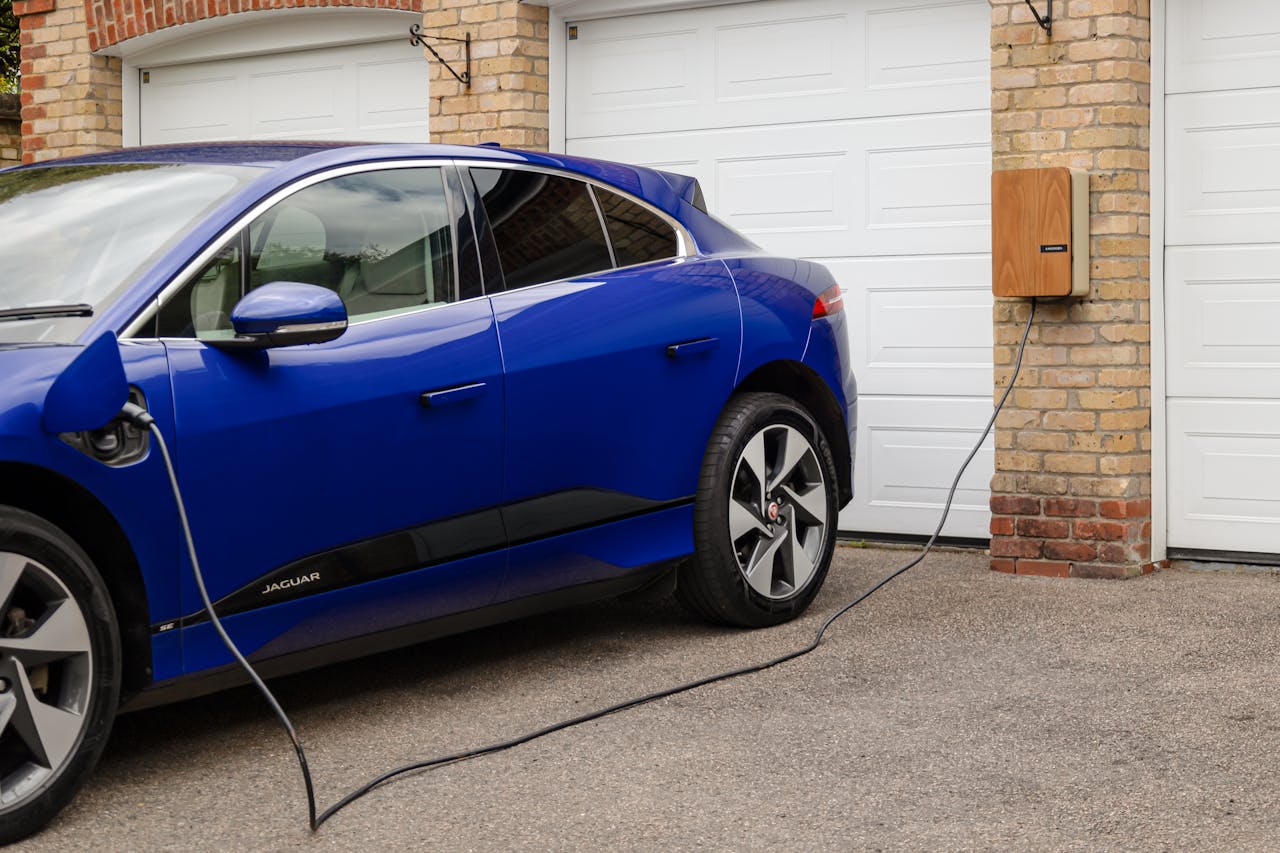
There’s a rather persistent myth that electric vehicles (EVs) are worse for the environment due to relying on electricity from power plants, which sometimes comes from coal or fossil fuel. However, even when powered by typical grids, EVs create fewer greenhouse gas emissions than gasoline cars over their lifespan.
This is because EVs convert energy more efficiently and produce zero emissions while driving. Power plant emissions are often lower and better regulated compared to tailpipe pollution from internal combustion engines.
Life cycle studies consistently show that EVs reduce total carbon emissions, including manufacturing and energy production stages.
Myth: EVs Have Shorter Driving Ranges
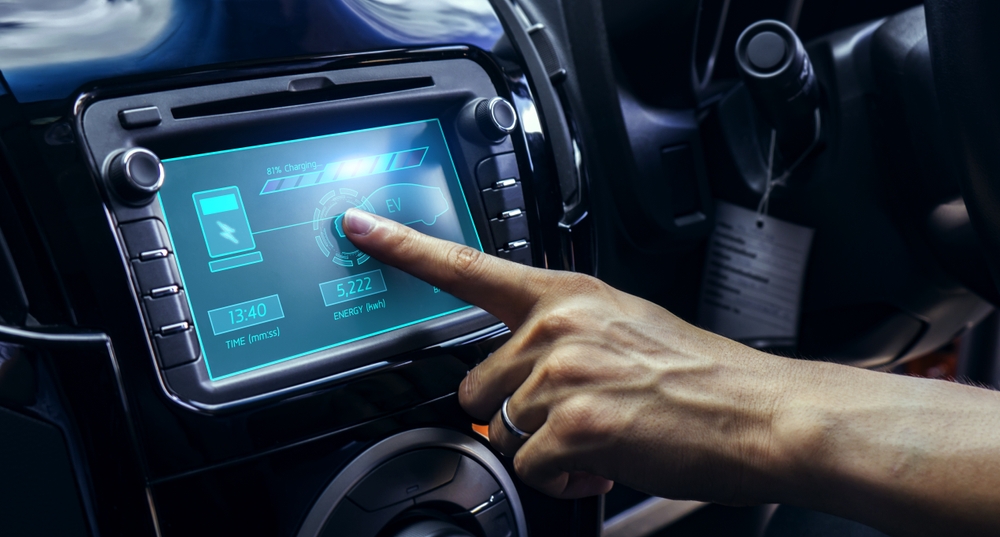
Many early electric vehicles had limited range, but this is no longer the case. Modern EVs commonly offer over 200 miles per charge.
Some models now even exceed 300 miles on a single charge. This range is comparable to, and sometimes exceeds, the distance gasoline cars travel on a full tank.
This improvement allows electric vehicles to meet daily driving needs without frequent charging stops.
Myth: Electric Car Batteries Need Replacing Every Five Years

It is a common misconception that electric car batteries require replacement every five years. In reality, most EV batteries maintain strong performance for at least 8 to 10 years. Usually more.
Battery degradation is slow, with many retaining significant capacity beyond a decade. Additionally, manufacturers typically provide warranties covering 8 years or more, reflecting this durability. Recent studies show that some batteries can last 20 years under normal use.
Myth: EVs Are More Likely To Catch Fire
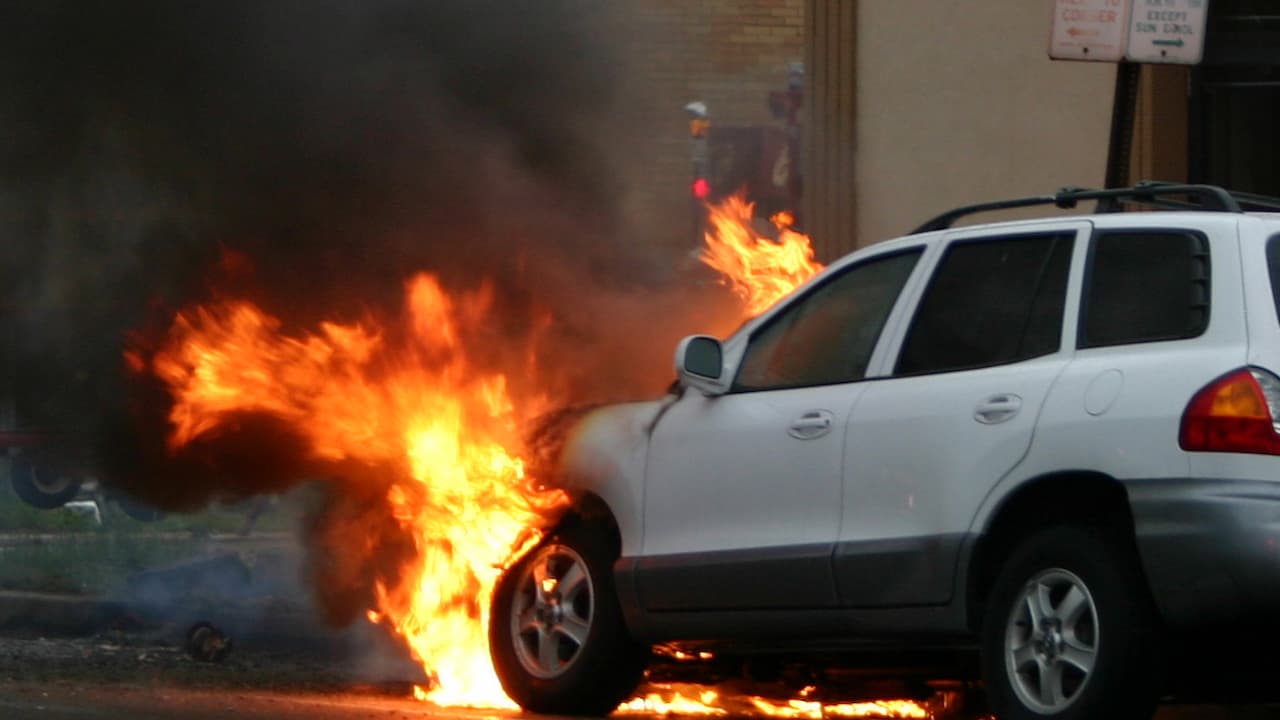
Electric vehicle fires are uncommon and occur far less often than fires in gasoline-powered cars. Data shows that EVs have fewer fire incidents per 100,000 vehicles compared to internal combustion cars.
When EV fires do happen, they are typically caused by crashes or faults, similar to traditional vehicles. The nature of these fires is different and can be more difficult to control.
Myth: Electric Vehicles Are Slower Than Gasoline And Diesel Cars

The belief that electric vehicles (EVs) are slower than gasoline and diesel cars is incorrect. Many EVs deliver instant torque, allowing for rapid acceleration from a standstill.
This torque advantage often enables EVs to match or exceed the acceleration of traditional combustion engines. Examples like Formula E racing illustrate how electric cars can achieve high speeds efficiently.
Myth: Charging Stations Are Scarce And Inconvenient
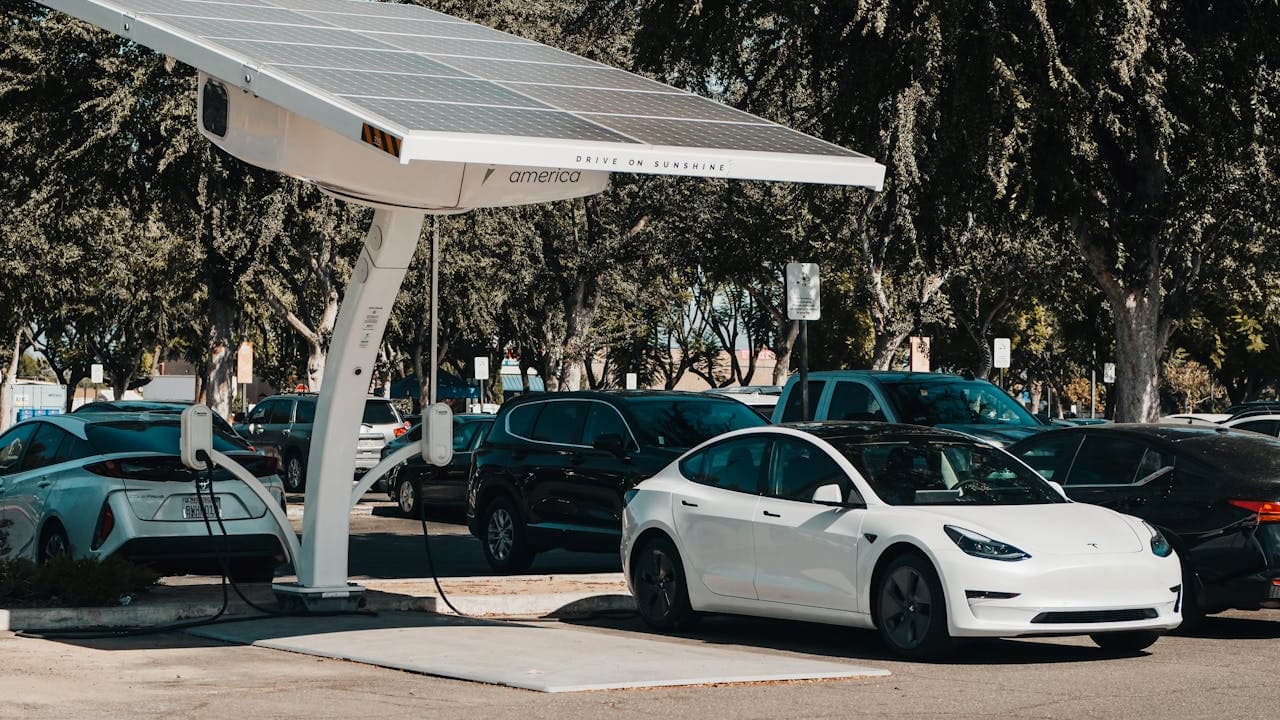
Charging infrastructure is growing quickly in many regions to meet rising electric vehicle demand. Governments and private companies are investing in new stations, improving accessibility.
While some areas still face challenges with station availability, the overall network is becoming more extensive and reliable. This reduces concerns about finding convenient charging options.
Ongoing development also focuses on faster chargers, shortening wait times, and increasing convenience for EV users.
Myth: EVs Are More Expensive Than Gasoline Cars
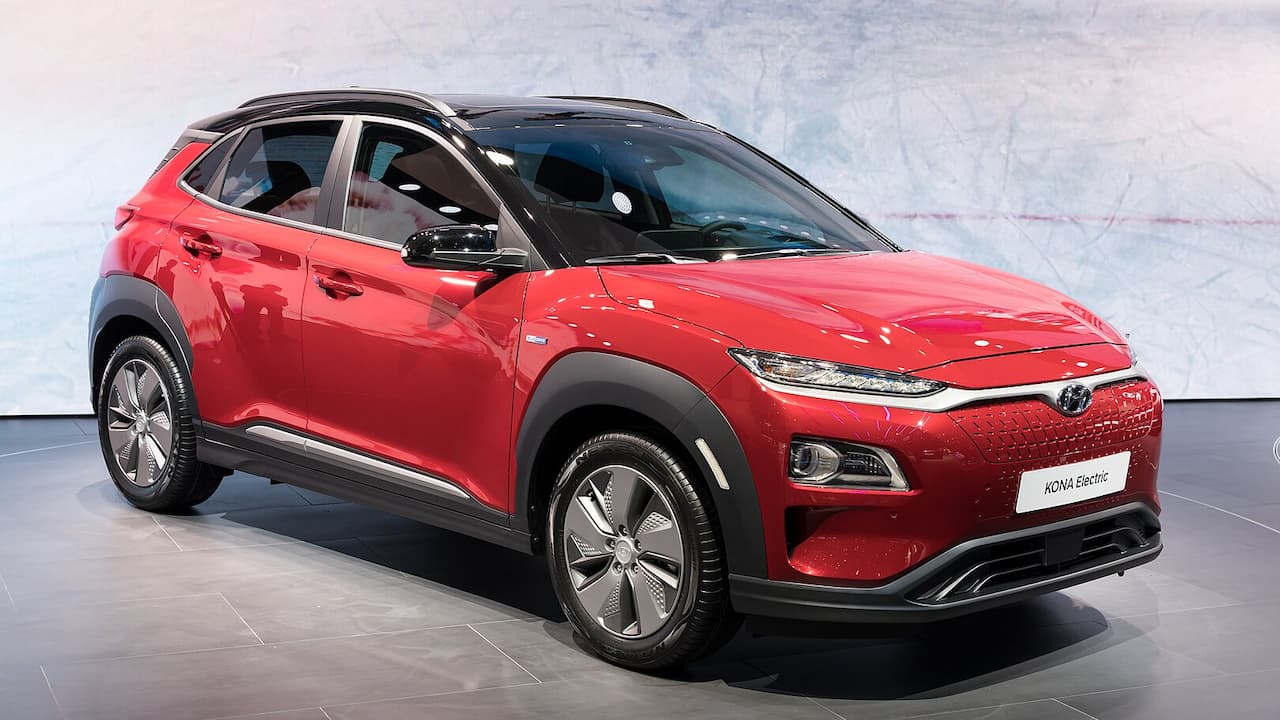
This is somewhat true, as electric vehicles generally have a higher purchase price than gasoline cars, mainly due to the cost of their batteries. However, when considering total ownership costs, including fuel, maintenance, and incentives, EVs often cost less over time.
Electricity is typically cheaper than gasoline, and EVs require less maintenance, which lowers ongoing expenses. Many analysts expect EV purchase prices to reach parity with gasoline cars within a few years.
Myth: Electric Cars Leave A Bigger Carbon Footprint Than Combustion Vehicles
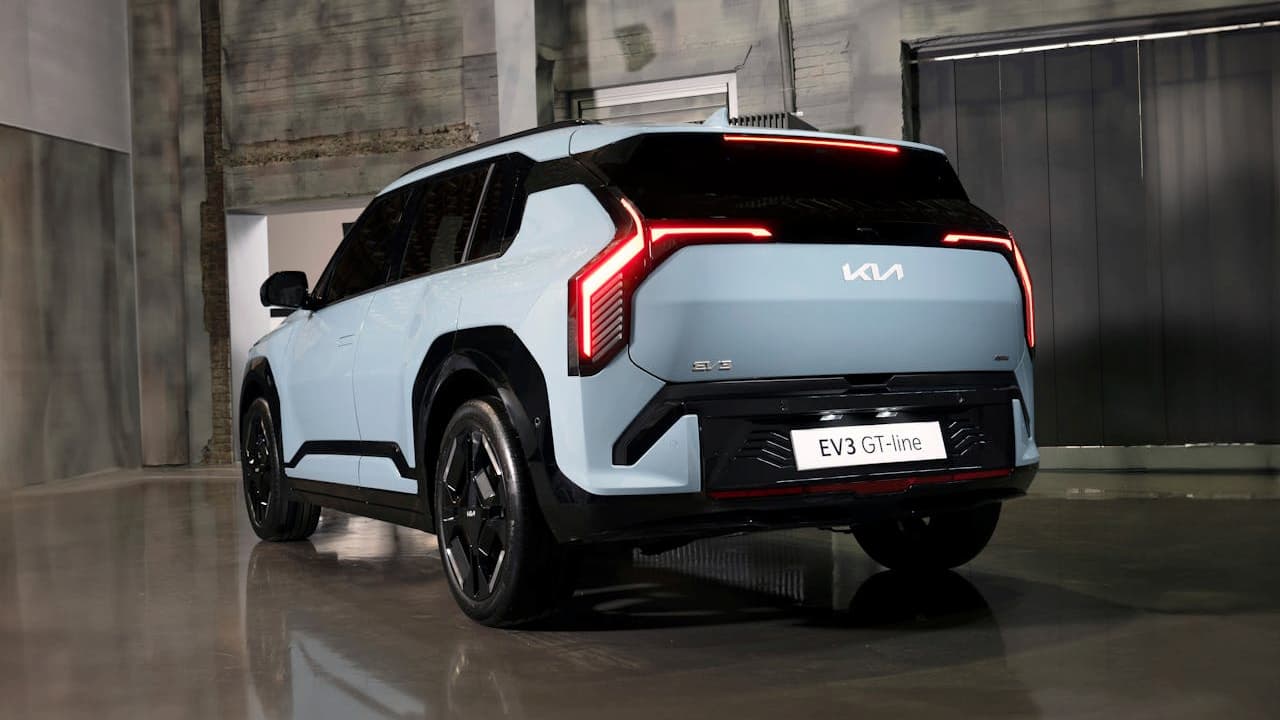
Again, this is partially true. Manufacturing electric vehicles, especially their batteries, produces more greenhouse gases than making combustion cars. This initial footprint is higher due to resource-intensive processes.
However, over the entire lifecycle, electric vehicles emit significantly less CO2. They typically generate up to half the emissions compared to gasoline or diesel cars when accounting for use and energy sources.
Lifecycle analyses consistently show that EVs help reduce overall carbon footprints despite higher production emissions.
Myth: EV Batteries Cannot Be Recycled

EV batteries are recyclable, contrary to popular belief. Most functional materials, including cobalt, nickel, and copper, can be recovered and reused.
Lithium recycling is still developing but shows promising progress. Recycling processes reduce waste and conserve resources, though they remain energy-intensive.
As technology improves, recycling capacity and efficiency are expanding, making battery reuse more feasible across the industry.
Myth: Electric Vehicles Are Less Safe In Crashes
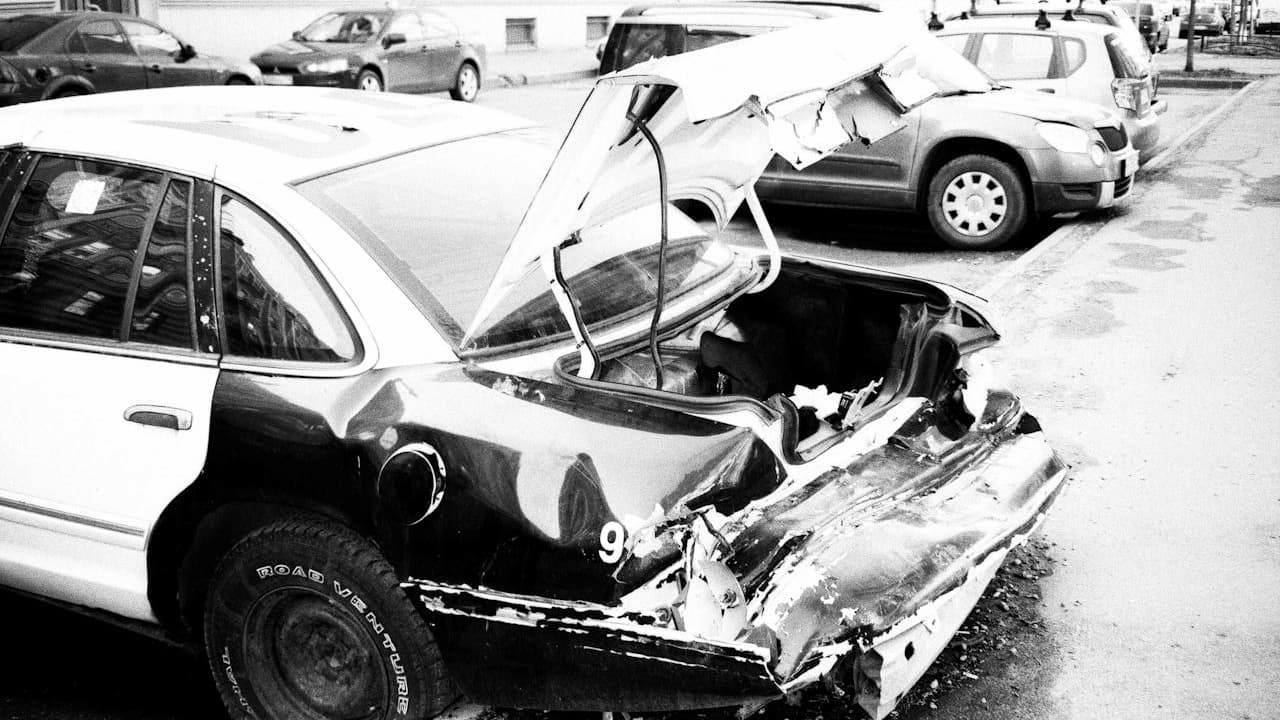
Electric vehicles must meet the same rigorous safety standards as gasoline-powered cars. Regulatory agencies require all vehicles to pass crash tests before they can be sold.
Studies show that electric vehicles are involved in fewer non-crash fires than traditional cars. Their batteries are designed with multiple safety features to reduce risks during accidents.
Overall, electric cars provide comparable or better safety in crashes, meeting or exceeding requirements set for conventional vehicles.
Myth: EVs Cannot Perform Well In Cold Weather

It’s true that electric vehicles do experience reduced battery capacity in cold temperatures. However, modern EVs use advanced thermal management systems to maintain battery temperature and performance.
These systems warm the battery, preserving range and efficiency even in freezing conditions. While heating the cabin consumes energy, it is managed to minimize impact on driving distance. Manufacturers design EVs specifically for various climates, ensuring reliable operation in cold weather.
Myth: Electric Vehicle Range Significantly Drops Immediately After Purchase
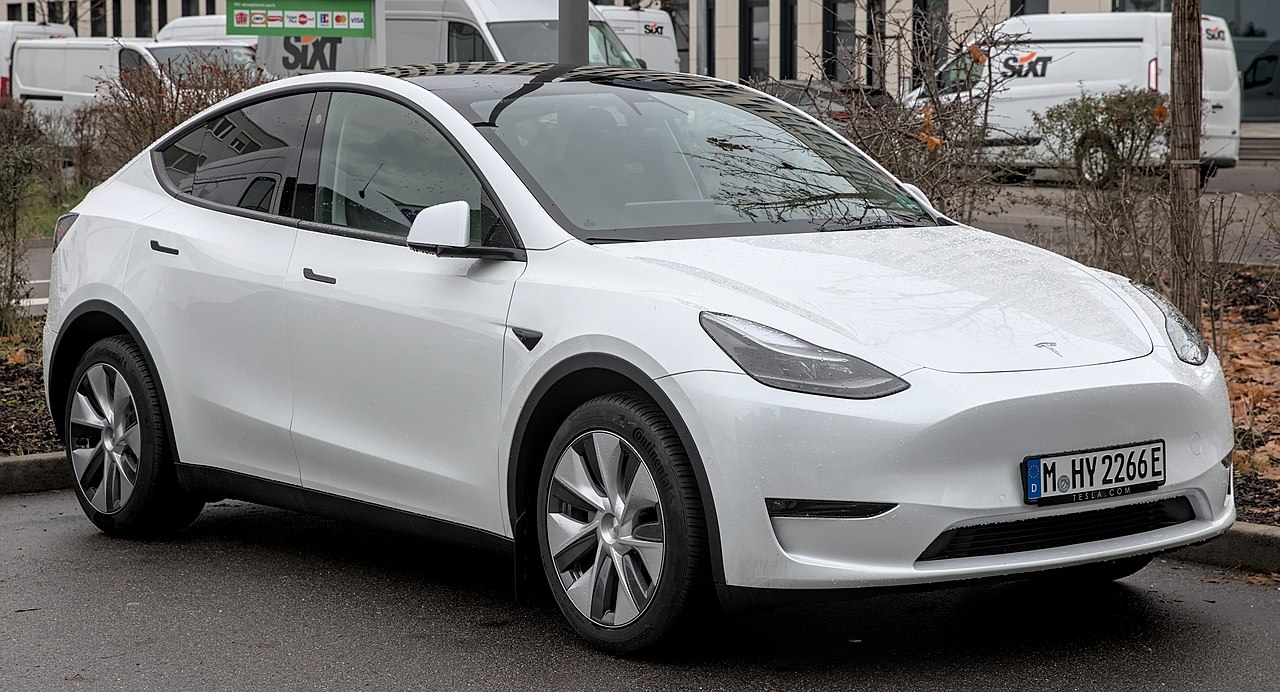
New electric vehicles often show a temporary drop in estimated range during initial use. This occurs because the battery management system is calibrating to actual driving patterns and conditions.
After a short period of normal use, the range estimate stabilizes and becomes more accurate. This process does not indicate an issue with the battery or the vehicle’s performance.