


Electric cars have played a significant role in shaping the automotive industry from its earliest days to the present. Through technological advancements and evolving consumer interests, these vehicles have continuously influenced how people approach transportation and energy efficiency.
This article highlights electric cars that made history by marking important milestones in design, performance, and innovation within the electric vehicle sector. Understanding these models provides insight into the development and impact of electric cars over time.
Robert Anderson’s crude electric carriage (1832)
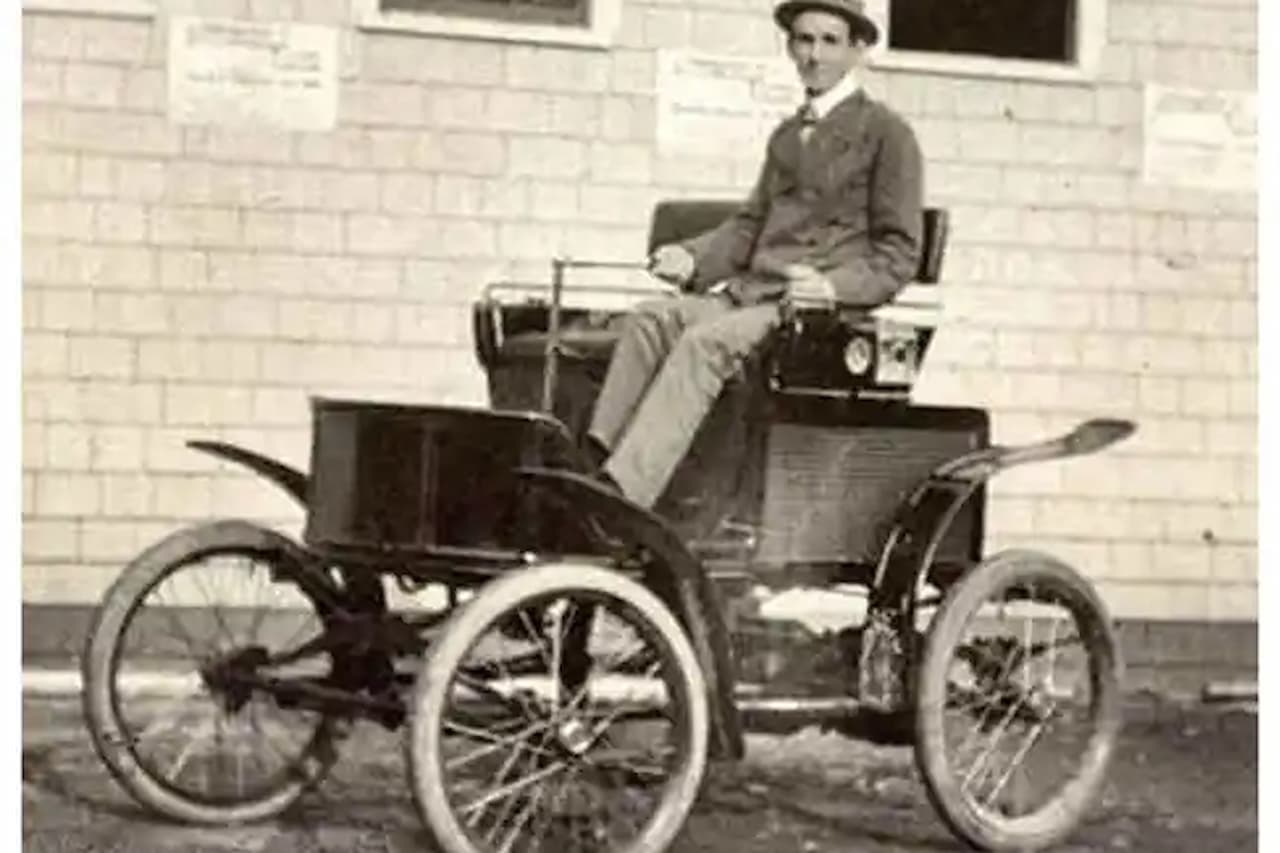
Robert Anderson, a Scottish inventor, built one of the first electric carriages between 1832 and 1839. His design was rudimentary and lacked many features of later electric vehicles.
The carriage used non-rechargeable primary batteries, which limited its practicality. Despite its basic nature, it marked an early attempt to use electric power for personal transportation.
William Morrison’s six-passenger electric vehicle (1890)
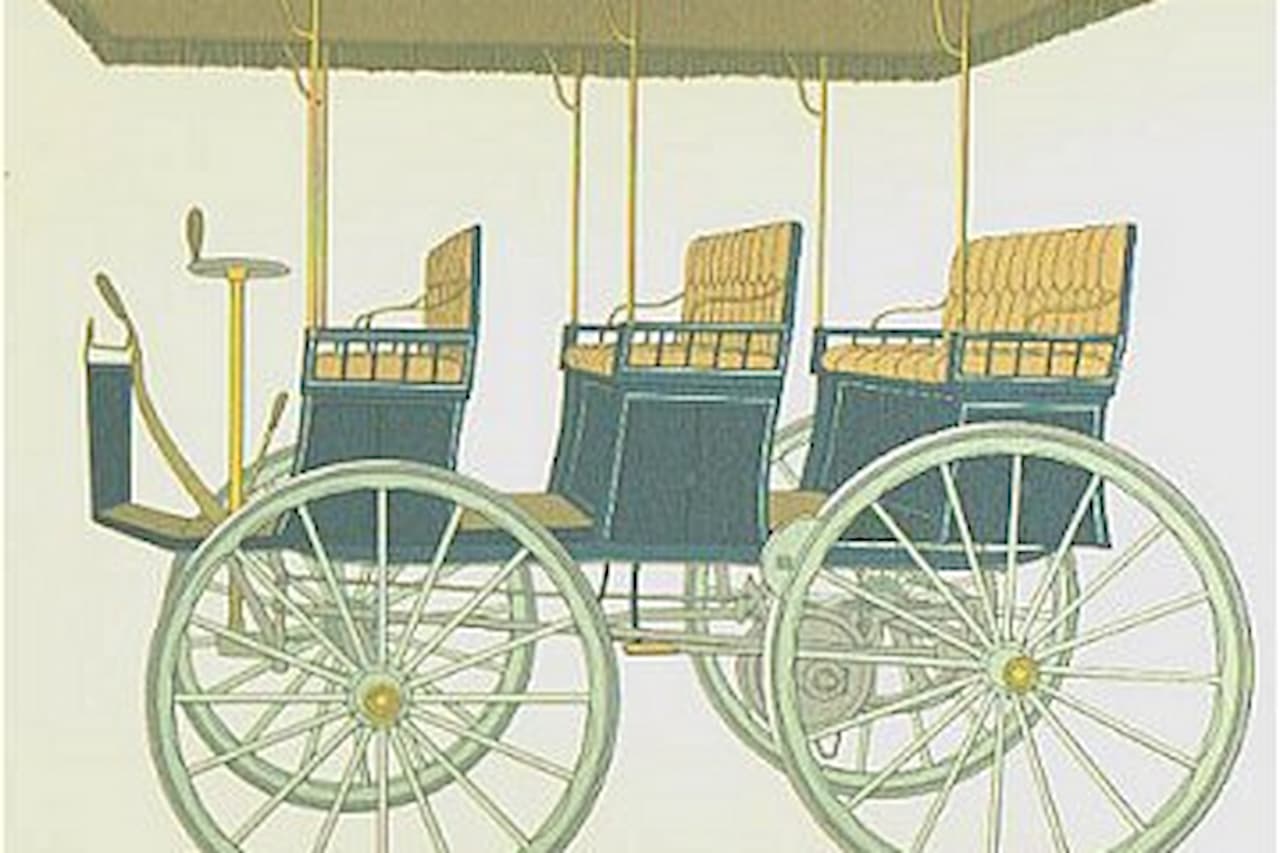
William Morrison, a chemist from Des Moines, Iowa, built one of the earliest practical electric vehicles in 1890. His six-passenger electric wagon featured a lead-acid battery with 24 cells, allowing a range of approximately 50 miles.
The vehicle could reach a top speed of around 14 to 20 miles per hour. Morrison’s design helped demonstrate the potential of electric propulsion during the earliest days of automotive development.
Jeantaud electric cars (1893)
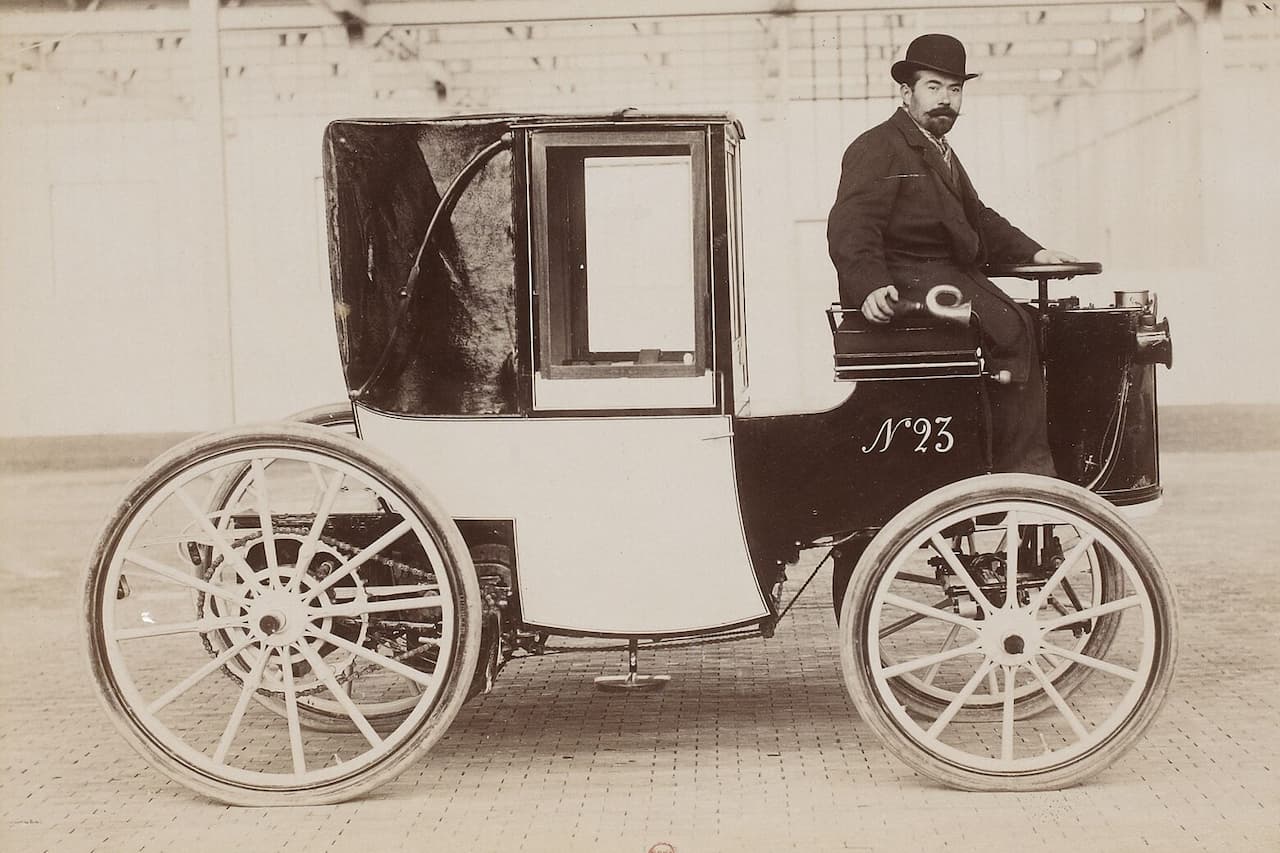
The Jeantaud was among the first electric vehicles produced in France, starting in 1893. Charles Jeantaud, a coachbuilder, adapted a Tilbury buggy with an electric motor and battery to create the car.
In 1898, a Jeantaud electric car set the first automotive land speed record. It reached 63.13 km/h (39.2 mph), demonstrating early electric vehicle performance capabilities. The company produced vehicles until 1907.
The Electrobat by Salom and Morris (1894)
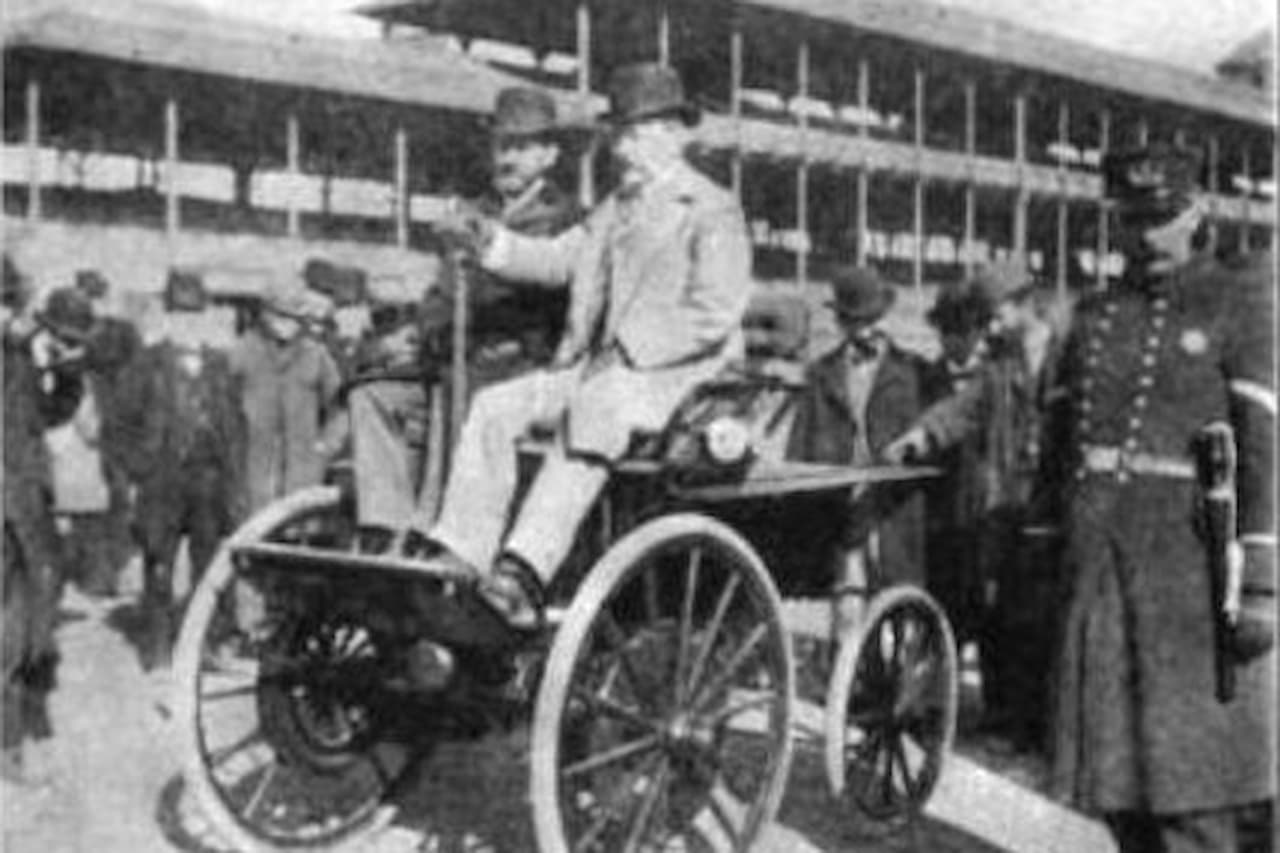
The Electrobat, patented in 1894, was one of the earliest successful electric cars. Inventors Henry G. Morris and Pedro G. Salom developed it using lead-acid batteries similar to those in electric streetcars.
Their design laid the groundwork for early electric vehicle technology. It also influenced the creation of the Electric Vehicle Company, one of the first car corporations. The Electrobat marked a significant step in the evolution of electric transportation.
Detroit Electric models popular in early 1900s
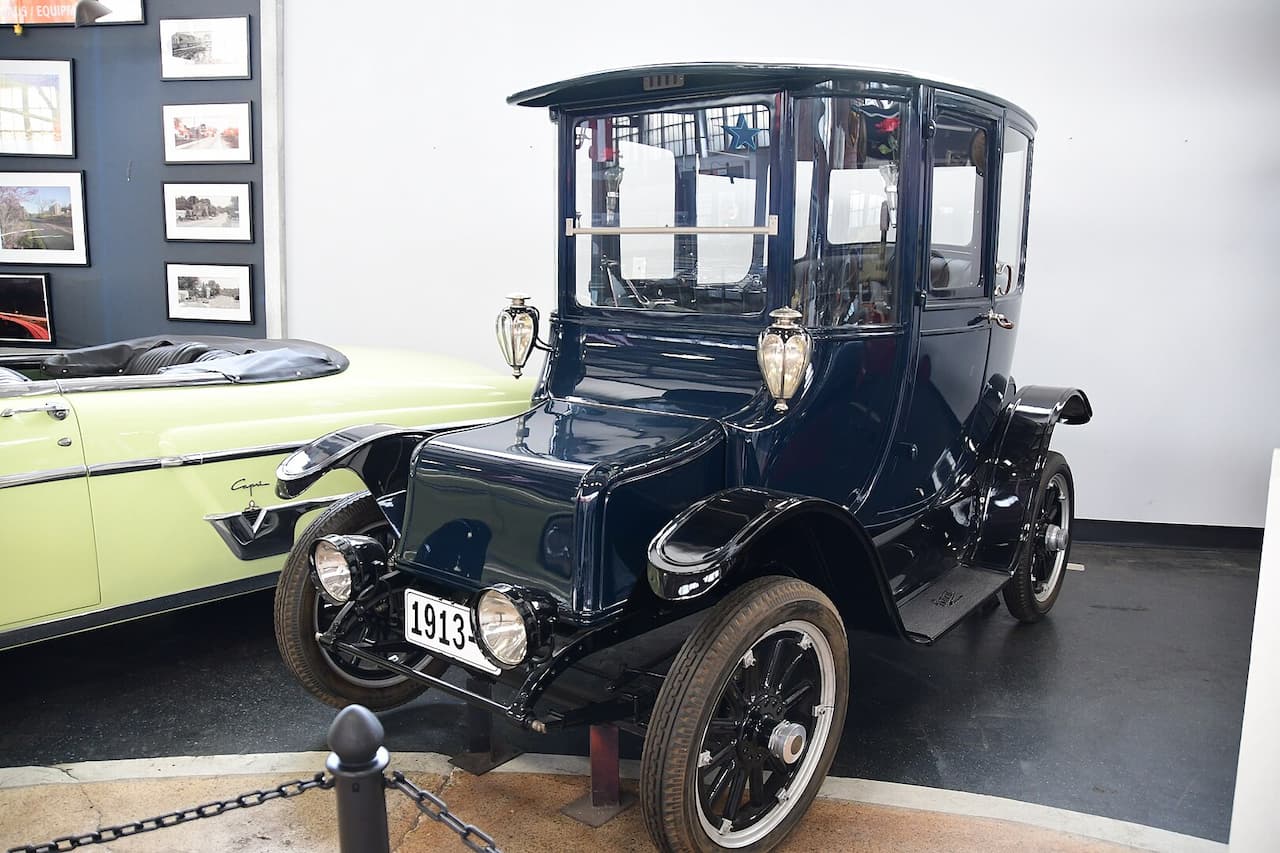
Detroit Electric produced some of the most popular electric cars in the early 1900s. At their peak in 1916, nearly 1,900 models were made, making them a common electric vehicle on the road.
These cars could travel around 80 miles on a single charge and had a top speed of about 20 mph. They were powered primarily by lead-acid batteries, with optional nickel-iron batteries available.
Detroit Electric vehicles were favored for their reliability and ease of use in urban areas.
Baker Electric cars favored by notable figures
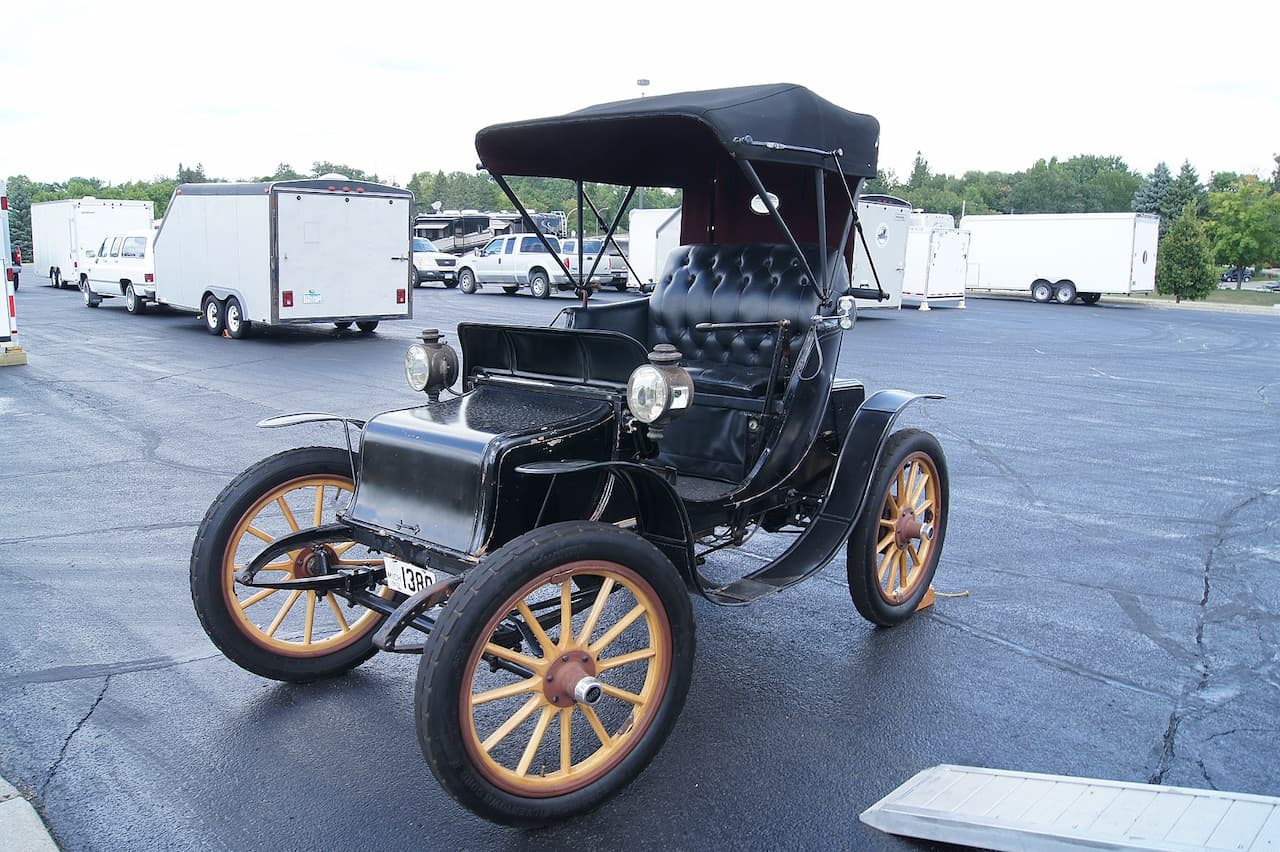
Baker Electric cars were popular among influential individuals in the early 1900s. Thomas Edison chose one as his first car, reflecting its reputation for reliability and innovation.
The vehicles were also part of the White House fleet, used by Helen Taft and later Edith Bolling Wilson. Clara Ford, wife of Henry Ford, frequently drove a Baker Electric, which symbolized luxury at the time.
These endorsements helped establish Baker Electric as a respected brand during the era of early electric vehicles.
Ferdinand Porsche’s hybrid Lohner-Porsche (1900)
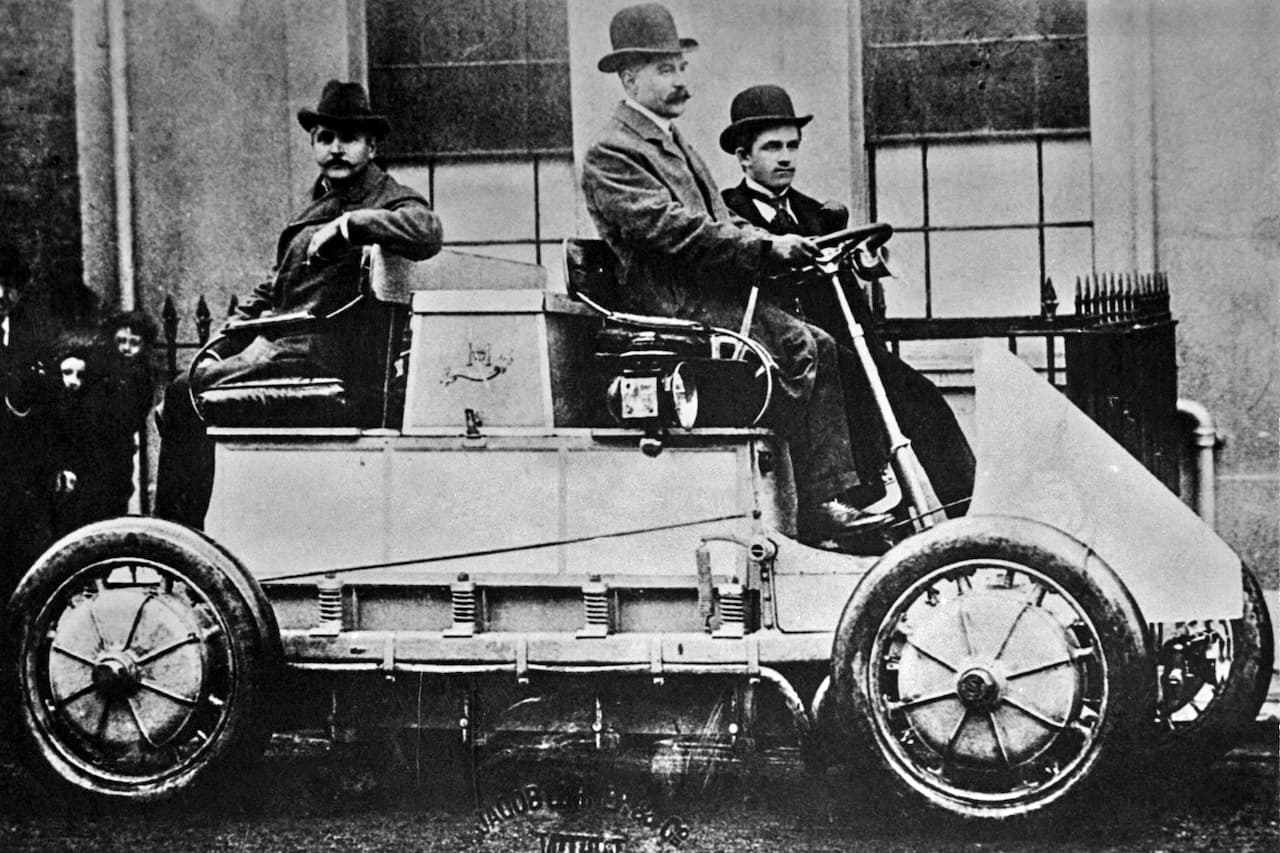
Ferdinand Porsche designed the Lohner-Porsche, one of the first hybrid electric vehicles, in 1900. It featured electric motors integrated into the front wheel hubs, a novel approach at the time.
The vehicle’s chassis and body were made primarily of wood. It combined an internal combustion engine with electric drive systems, creating an early hybrid concept.
This design was showcased at the 1900 Paris World Fair and was recognized for its innovative technology.
GM EV1, one of the first modern electric cars (1996)
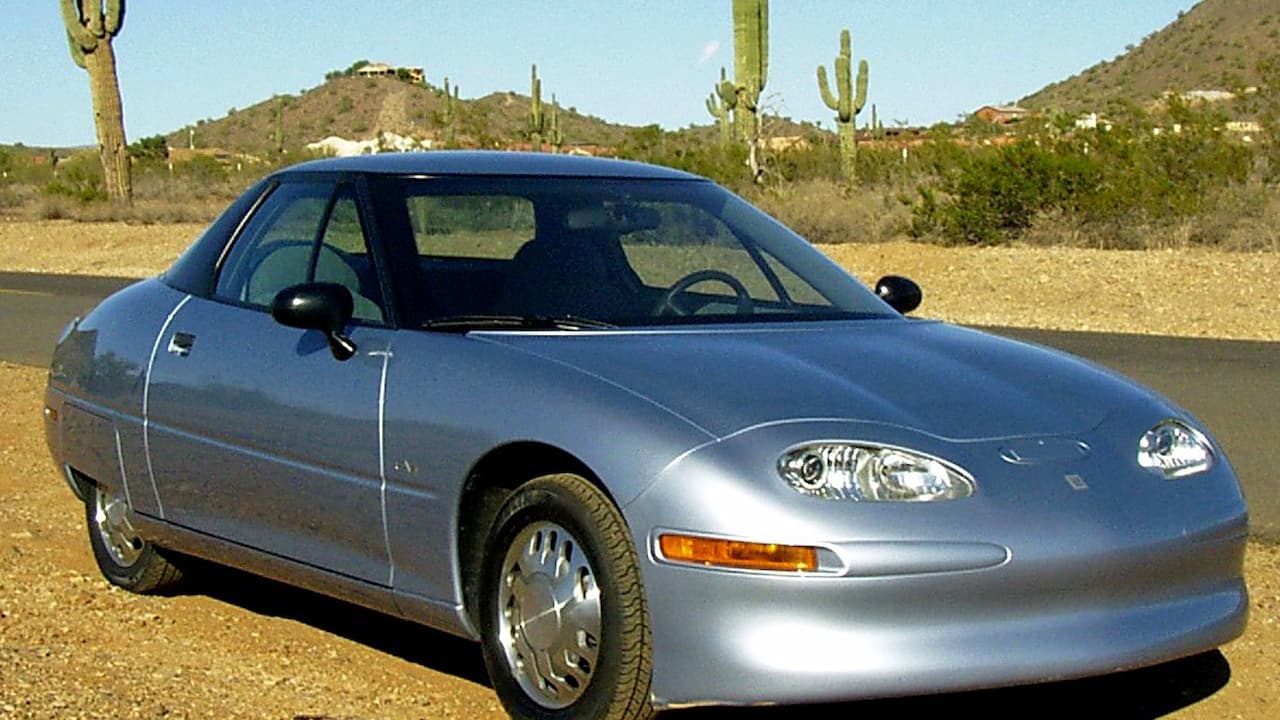
The GM EV1 was introduced in 1996 as one of the first modern electric vehicles designed for mass production. GM built and leased 1,117 units, making it a pioneer in electric mobility.
The car was initially available only in Arizona and California. It featured technologies that influenced later electric vehicles. Despite its cult following, GM discontinued the EV1 program in the early 2000s.
Toyota Prius, first mass-produced hybrid (1997)

The Toyota Prius was launched in Japan in 1997 as the first mass-produced hybrid electric vehicle. It combined a petrol engine with an electric motor to improve fuel efficiency and reduce emissions.
The Prius was designed to appeal to environmentally conscious drivers seeking practical, low-emission transportation. It later expanded globally, influencing the development of hybrid technology in the automotive industry.
Tesla Roadster, first highway-legal serial production EV (2008)
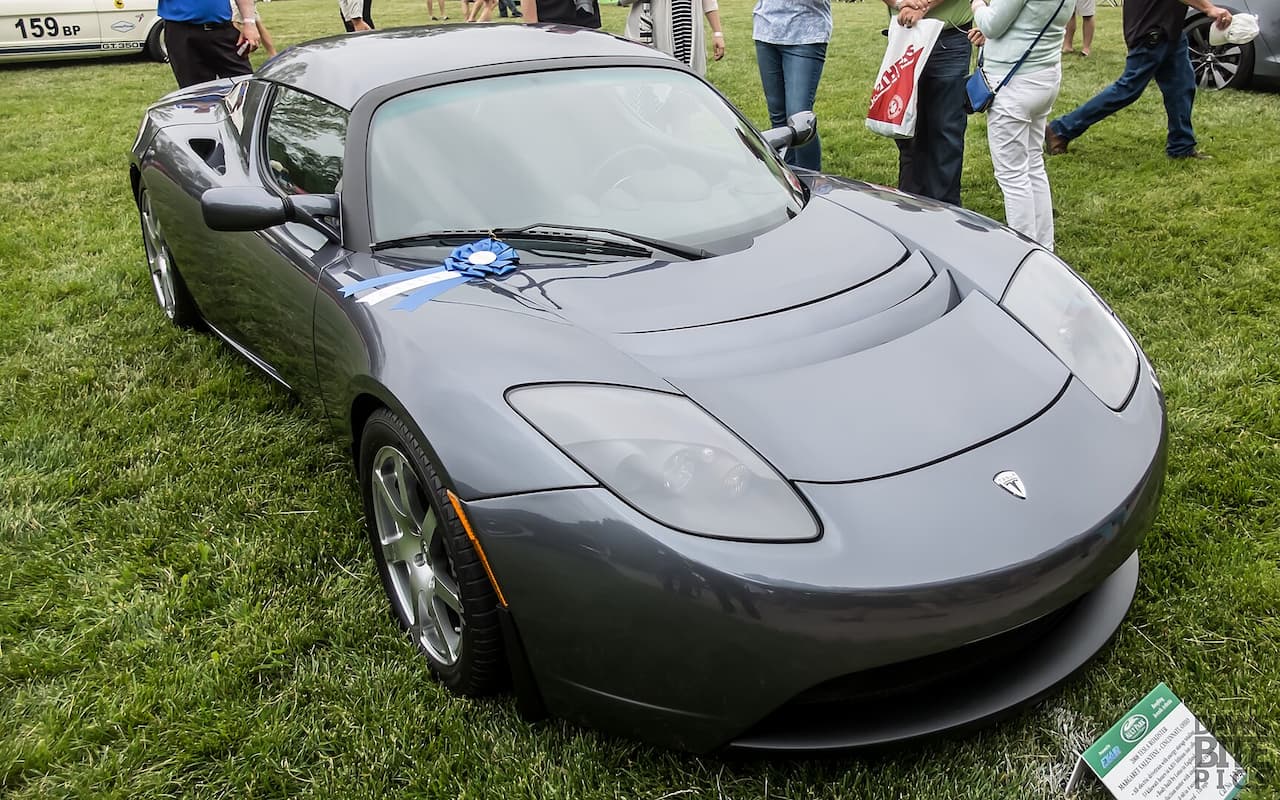
The 2008 Tesla Roadster was the first highway-legal electric car produced in series to use lithium-ion battery cells. It marked a significant shift by proving that electric vehicles (EVs) could be both practical and high-performance.
The Roadster accelerated from 0 to 60 mph faster than many sports cars of its time. It demonstrated that EVs could compete with traditional gasoline-powered vehicles in speed and range.
This model laid the foundation for Tesla’s future electric vehicles and influenced the wider automotive industry’s move toward electrification.
Nissan Leaf, first affordable mass-market EV (2010)
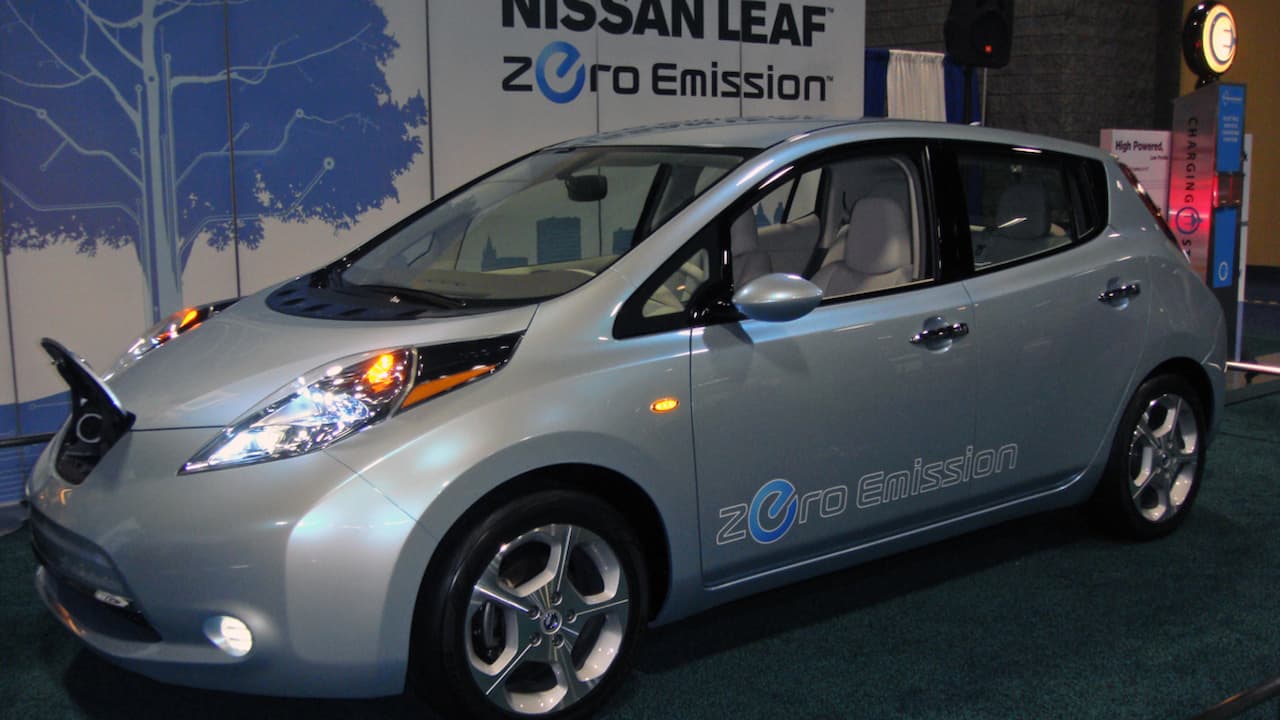
The Nissan Leaf launched in 2010 as the world’s first affordable mass-market electric vehicle. It was designed to provide zero-emission transportation to a broad audience.
The Leaf gained recognition for its practical range and usability in everyday driving. It helped increase consumer acceptance of electric vehicles.
By 2025, the model surpassed 400,000 sales globally. It also earned multiple awards, including European and World Car of the Year in 2011.
Chevrolet Volt, notable plug-in hybrid (2010)
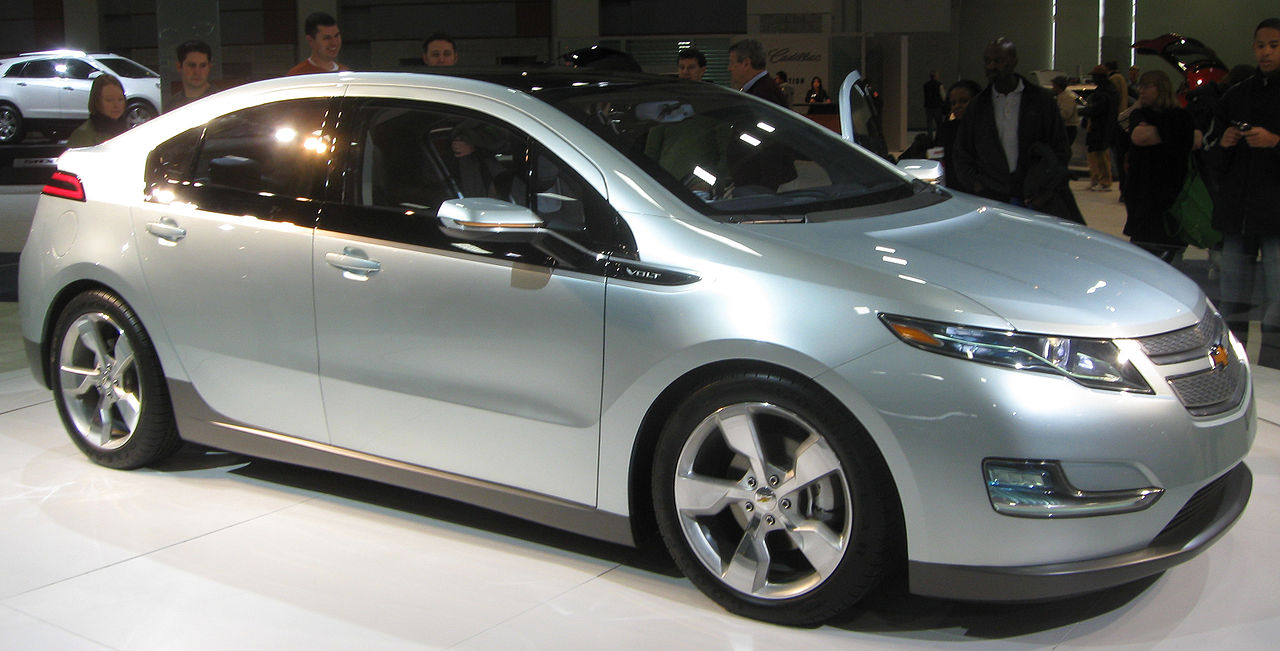
The Chevrolet Volt launched in 2010 as one of the first mass-produced plug-in hybrid electric vehicles. It featured an electric-only range of about 40 miles before switching to a gasoline engine.
The Volt was designed to reduce range anxiety while providing the benefits of electric driving. It became a leading model in the American plug-in hybrid market during its production.
BMW i3, innovative electric city car (2013)
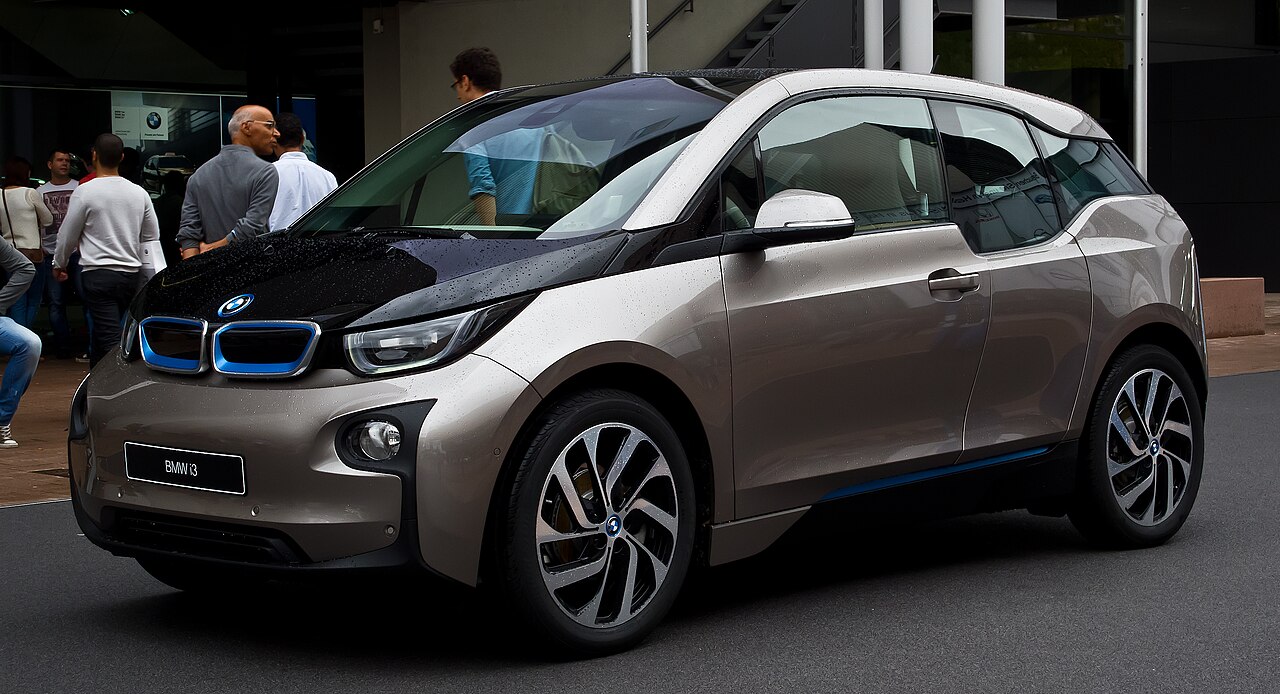
The BMW i3 was introduced in 2013 as one of the first fully electric compact sedans. It featured a lightweight carbon fiber body to improve efficiency and urban driving agility.
Its high-capacity battery could be fully charged in under six hours. The i3 was designed specifically for city use with sustainability as a key focus.
The model earned recognition for its innovation, including the 2015 Green Car of the Year award. It marked a significant step in BMW’s electric vehicle development.
Tesla Model S, luxury electric sedan breakthrough (2012)
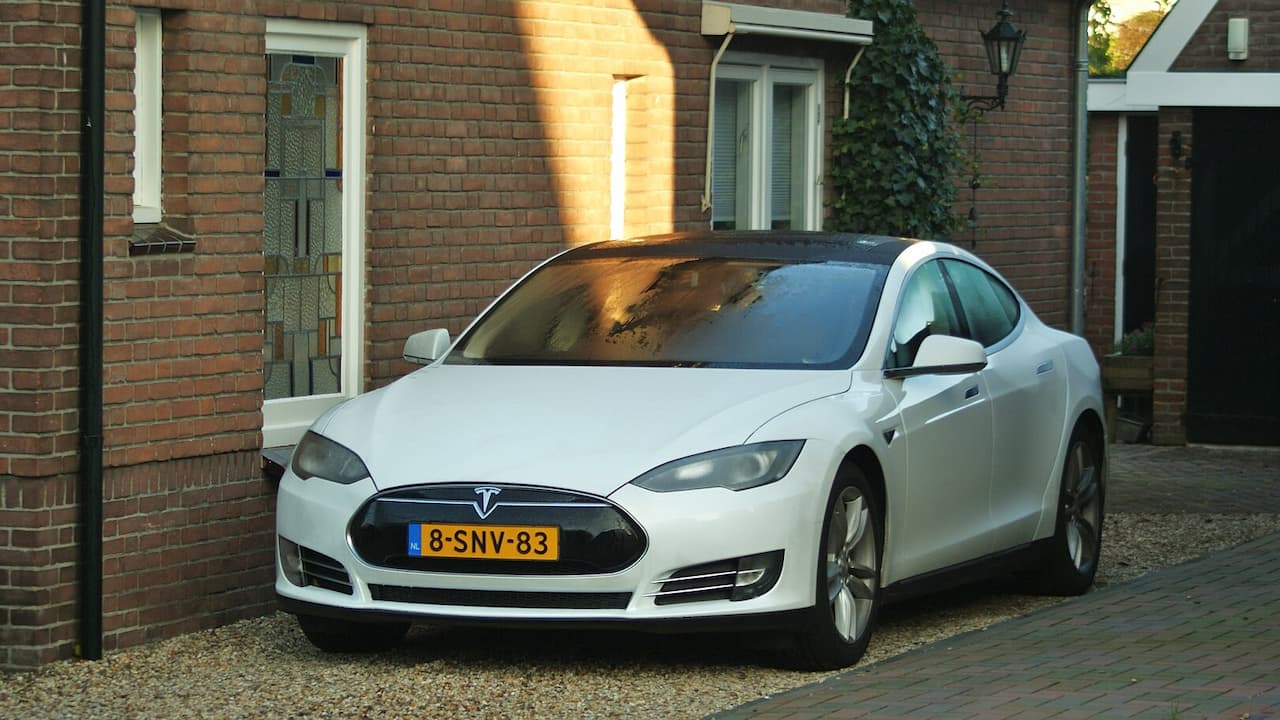
The Tesla Model S launched in 2012 as a luxury electric sedan designed from the ground up. It offered spacious seating, including an optional third row, setting it apart from earlier electrics.
The Model S combined performance with practicality, reaching 60 mph in under six seconds. It quickly became a benchmark for premium electric vehicles.
Rivian R1T, popular electric pickup (2021)
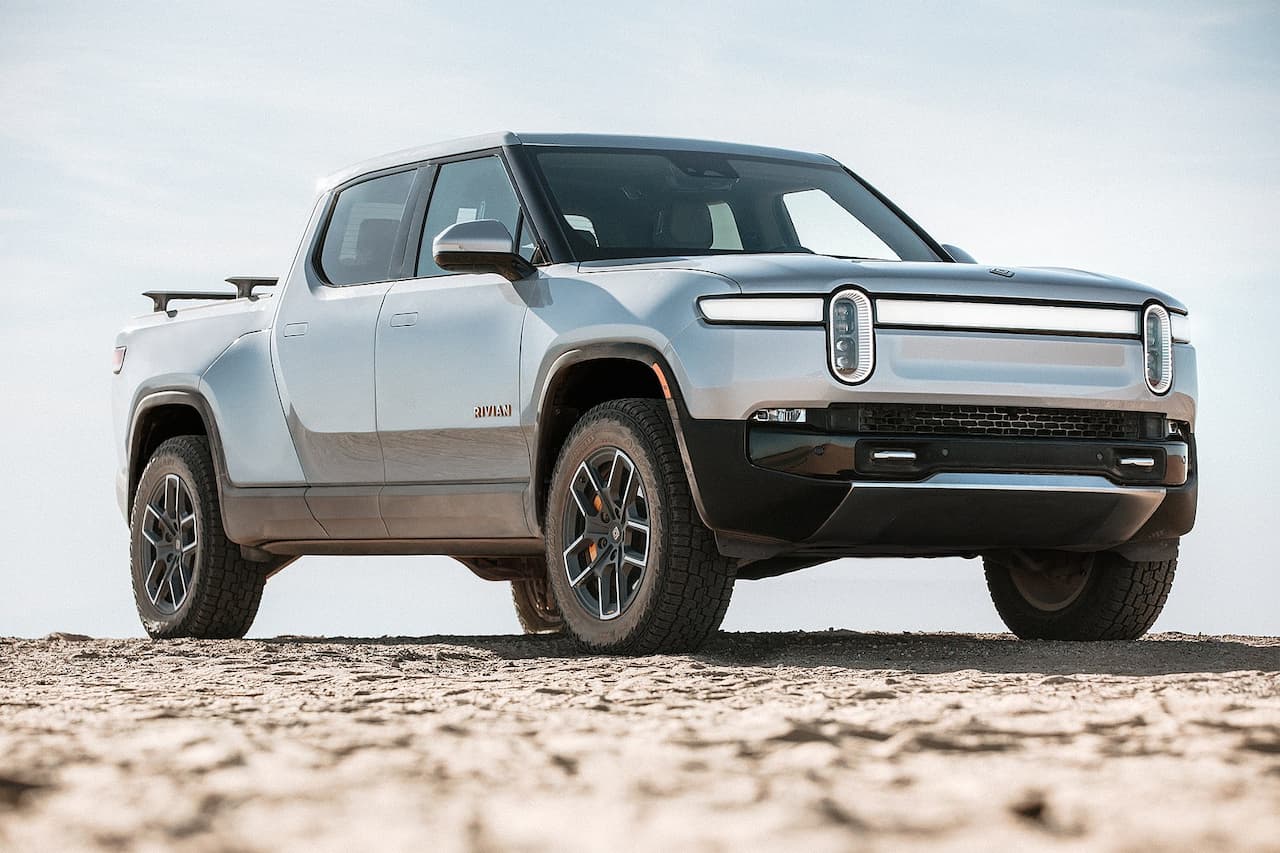
The Rivian R1T, introduced in 2021, is an electric pickup truck designed for both daily use and adventure. It offers a range of around 400 miles on a single charge.
This model combines strong performance with sustainability, featuring quick acceleration and off-road capability. Its design balances utility with comfort, making it suitable for a variety of drivers.