
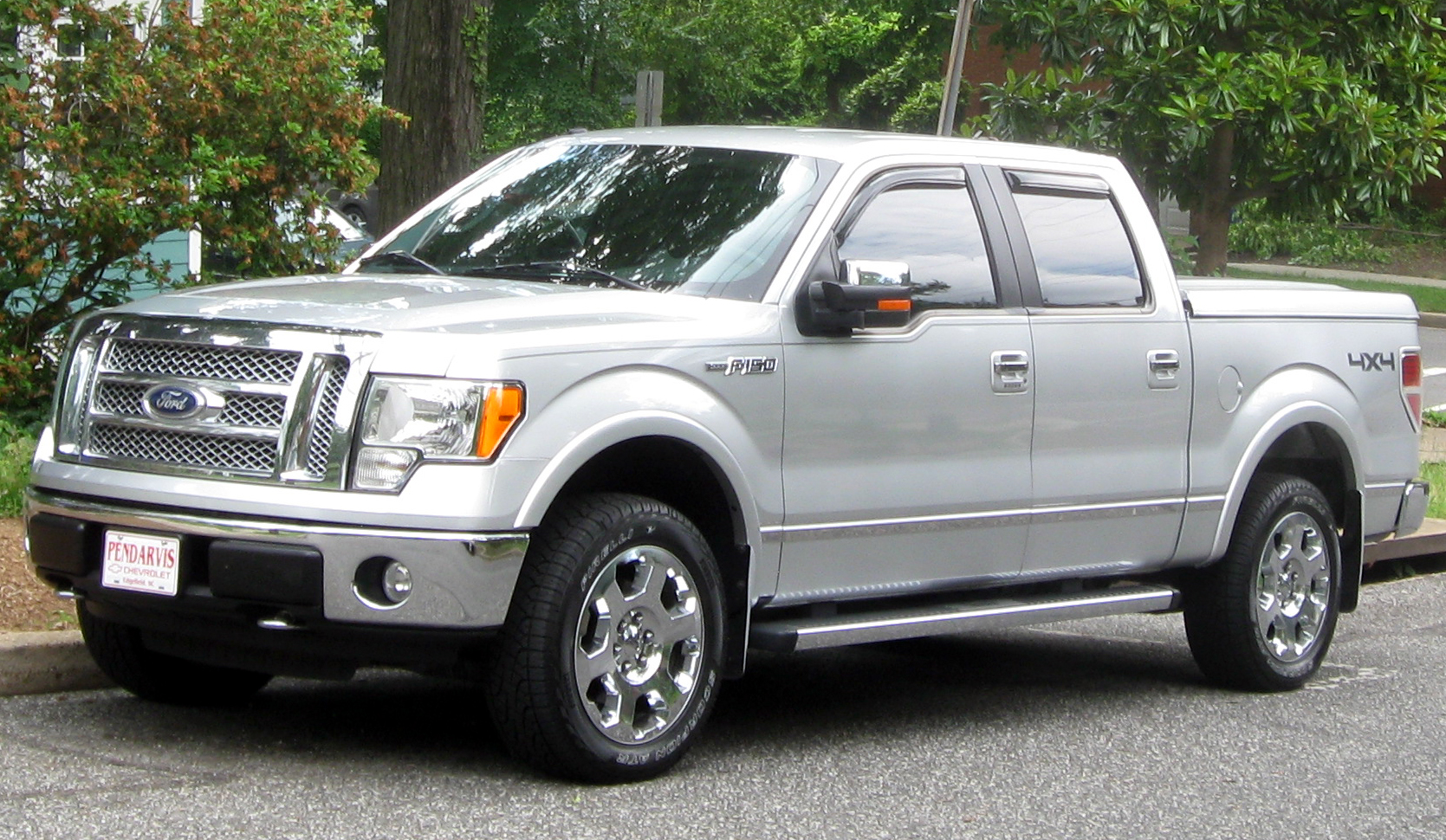

Imagine this: you’ve just finished a long day at work, and all you want to do is kick back, relax, and maybe catch up on the latest episode of your favorite show. But before you can even get to the couch, a letter arrives from your HOA, and it’s not a friendly one. Nope, it’s a violation notice. And the reason? Your truck—your beloved, trusty truck—is classified as a commercial vehicle. Seriously? Let’s unpack this little gem of a situation.
The Setup
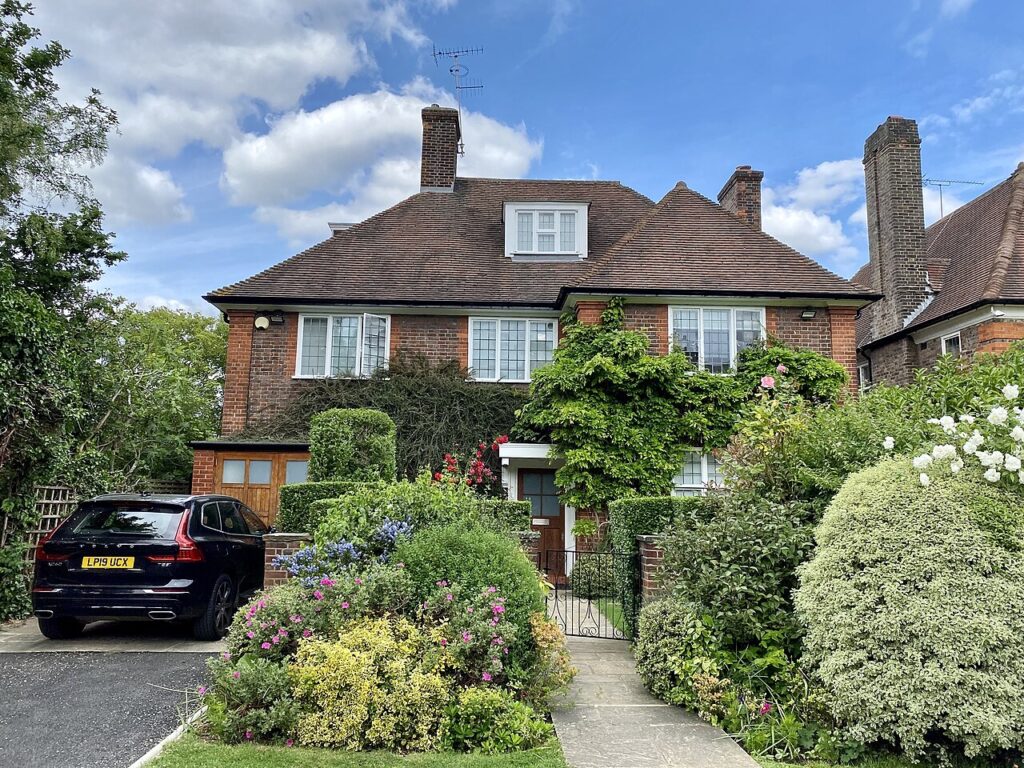
So here’s the backstory. I live in a lovely neighborhood with an HOA that prides itself on keeping our community looking pristine. Lawns are manicured, houses are freshly painted, and the sidewalks could practically be used as runways. It’s all very charming, but sometimes the charm comes at a cost—like when they start policing the way you park your vehicle. My truck, which I affectionately call “Betsy,” is a hardworking beast. It’s been there for me through thick and thin, moving furniture, hauling supplies, and even taking me on those dreamy weekend getaways. But apparently, Betsy’s status as a slightly larger pickup has put her squarely in the “commercial vehicle” category.
What’s the Big Deal?
Now, I’m not running a pizza delivery service out of my driveway or anything. But according to the HOA rules, any vehicle that’s over a certain size or has certain features can be classified as commercial. This includes trucks that are over a specific weight limit, or those that might have a bed that’s too big for their liking. Betsy doesn’t have any logos or flashy ads on her, but that didn’t matter. The HOA saw a truck, and in their eyes, that meant I was violating some obscure rule. Who knew parking your own car in your own driveway could turn into a scene from a reality show?
The Violation Letter
The letter itself was a masterpiece of bureaucratic jargon. It opened with the usual “Dear Homeowner,” which always sounds so formal, like I’m about to get a notice from a bank instead of my own HOA. Then it jumped into the details, reminding me that parking a commercial vehicle in my driveway is a big no-no. As I read through the fine print, I couldn’t help but chuckle. They even included the specific clause from the bylaws that I was supposedly violating. It was almost impressive how they managed to make it sound serious while I was just sitting there, incredulous.
The Reaction
My first reaction? A mix of disbelief and laughter. I mean, really? I get that rules are rules, but this felt like a stretch. I pictured myself trying to explain this to my friends over coffee. “So, I got a violation for parking my truck. Yeah, it’s not a delivery truck, but apparently, it *looks* like one.” Cue the eye rolls and laughter. It’s absurd, right? But then it hit me—what if I wasn’t the only one? Surely, I couldn’t be the only homeowner in the neighborhood who’s ever gotten tangled up in the HOA’s web of regulations.
What to Do Next?
After the initial shock wore off, I decided it was time to take action. I mean, I wasn’t going to just roll over and accept this violation like some quiet neighbor who never questions authority. So, I did what any rational person would do: I hit the internet. I started researching HOA rules and regulations, looking for loopholes, or at least some clarification on what constitutes a commercial vehicle. Turns out, many homeowners face similar issues, and it’s often a matter of interpretation.
Time to Talk
Next, I scheduled a meeting with the HOA board. I figured, why not? It’s always better to have a conversation than to argue through letters. I brought Betsy along for the ride (literally, I parked her outside) and prepared to charm them with my truck’s non-commercial status. The meeting was surprisingly friendly. We discussed the rules, and I even offered to show them Betsy’s “non-commercial” features—like the lack of fancy decals and my great taste in bumper stickers. Spoiler: they didn’t seem too impressed with my collection of “My Other Ride Is Your Mom” stickers.
The Outcome
In the end, my friendly discussion led to a compromise. They agreed to revisit the classification of vehicles in our neighborhood and acknowledged that maybe, just maybe, they’d been a tad too strict. I walked away with a warning rather than a fine and a newfound appreciation for the power of dialogue. And Betsy? She’s safe in her driveway, at least for now. So, if you ever find yourself in a similar situation, remember: sometimes it pays to speak up and share a little humor. Who knew that a simple truck could spark such a big conversation?
More from Steel Horse Rides: