


You’re likely to face steep consequences if you keep using a handheld device while driving: some jurisdictions now allow officers to issue an instant $500 fine on the spot, and repeated or reckless violations can lead to criminal charges and possible jail time. Know that a single moment of distraction can cost you hundreds of dollars and trigger legal trouble that follows beyond the traffic stop.
This post will walk you through what the new distracted driving rules change about enforcement, who faces the toughest penalties, and practical steps to avoid tickets and protect your license. Stay with the details so you can spot enforcement triggers, adjust habits, and handle a citation effectively if it happens.
Major Changes Under the New Distracted Driving Law
The law tightens penalties for handheld phone use, certain in-car manipulations, and behaviors that create clear risk to others. Enforcement now includes on-the-spot fines, potential criminal charges for severe cases, and higher penalties for repeat offenders.
Instant $500 Fines: What Triggers Them
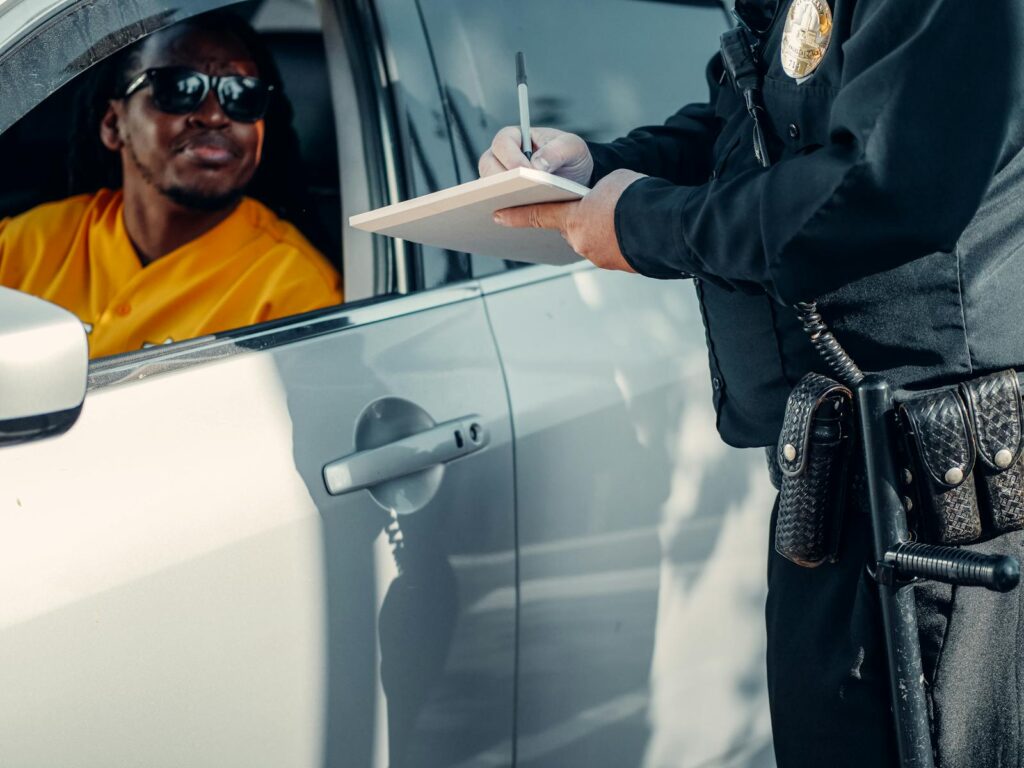
Police can issue a $500 fine when an officer observes a driver physically holding or supporting a mobile device while the vehicle is in motion. This includes texting, dialing, reading messages, or holding the phone to the ear. Methods like taking photos, scrolling social media, or manually entering navigation addresses also qualify.
Hands-free calls that use Bluetooth or built-in vehicle systems generally avoid this fine, provided the driver does not touch or support the device and does not manually enter letters, numbers, or symbols. Officers may document violations with body-cam footage or dashboard cameras, which the law explicitly allows for evidence in most jurisdictions.
A single observed violation typically results in a citation; officers may also instruct drivers to stop unsafe behavior on the spot. Some states exempt emergency calls placed without deliberate manipulation, but drivers should confirm local exceptions before relying on them.
Jail Time Possibilities for Offenders
Jail time applies only in aggravated cases, such as when distracted driving causes a crash that results in serious bodily injury or death. Prosecutors can pursue misdemeanor or felony charges depending on harm caused and the driver’s prior record.
Courts look at factors like gross negligence, speed, alcohol or drug impairment, and whether the driver had prior distracted-driving citations. A conviction in an injury or fatality case can carry days to years in jail depending on state law and whether prosecutors charge criminally rather than seek traffic penalties.
Defendants can face both criminal sentences and civil liability from crash victims. Legal counsel often negotiates plea agreements to reduce jail exposure, but judges retain discretion based on public-safety considerations and statutory sentencing ranges.
Repeat Violations and Escalating Penalties
Penalties increase with each recorded violation within a statutory look-back period, commonly two to five years. A second offense can raise the fine above $500, add mandatory driving-safety courses, and impose points on the license that affect insurance premiums.
Third or subsequent offenses may trigger license suspension, requirement to install an ignition interlock-like device for certain uses, or vehicle impoundment in extreme local implementations. Repeat offenders also face higher likelihood of criminal charges if a subsequent violation contributes to a crash.
Administrative records and plate-reader or citation databases help law enforcement track repeat behavior. Drivers should keep proof of completed safety programs and any corrective actions to contest or mitigate escalating penalties during hearings.
How Drivers Can Stay Safe and Handle Tickets
Drivers should focus on preventing distracted-driving contacts, know immediate steps if stopped, and understand how violations affect licenses and premiums. Simple habits, prompt responses to citations, and timely legal or administrative actions reduce fines, jail risk, and long-term costs.
Practical Steps to Avoid Getting Fined or Jailed
Keep the phone out of reach while driving. Put devices in Do Not Disturb, place them in the glovebox or trunk, or set up automated replies before starting a trip. Use built-in car systems or a properly mounted phone for navigation only, and avoid touching the screen while the vehicle is in motion.
Plan routes and stops to avoid last-minute maneuvers that attract enforcement. Obey speed limits, move over for work zones, and don’t drive impaired by alcohol, drugs, or medications that cause drowsiness. Carry proof of insurance and a valid license, and ensure vehicle registration and inspection stickers are current.
If driving a commercial vehicle, follow lower BAC limits and stricter rules for mobile device use. Employers and fleets should train drivers on hands-free policies and monitor compliance with telematics or in-vehicle cameras.
What to Do If You Get a Ticket
When stopped, remain calm, pull over safely, and follow the officer’s instructions. Present license, registration, and insurance when requested. Do not argue at the scene; arguments can escalate and may increase the chance of additional charges.
Read the citation immediately. Note the offense, fine amount, due date, and appearance or contest instructions. Decide whether to pay, request a hearing, or pursue a defensive driving course if eligible. Missing the payment or court date can trigger license suspension or additional fines.
If the alleged offense carries criminal exposure or jail time, contact an attorney promptly. For minor infractions, check online court options: some jurisdictions allow remote plea or traffic school registration. Keep copies of all paperwork and any receipts showing compliance or completion of programs.
Impact on Your Driving Record and Insurance
Traffic convictions often add points to a driving record; the number and duration vary by state and by offense. Accumulating points can lead to license suspensions, higher reinstatement fees, or mandatory education programs. Check the state DMV website for specific point values and suspension thresholds.
Insurance companies review violation history when setting premiums. A single moving violation can raise rates for several years, and multiple offenses—especially DUIs or hit-and-run—cause much larger increases. Use driving-school completion certificates and safe-driving discounts to mitigate premium hikes when available.
Request a copy of the driving record to confirm entries after case resolution. If errors appear, follow the DMV dispute process promptly to correct mistakes that could otherwise inflate insurance costs or trigger administrative penalties.
More from Steel Horse Rides: