

They’ll start seeing higher registration costs and new surcharges take effect July 1 that raise the out‑of‑pocket cost of owning a car in Maryland. Expect base registration rates to climb substantially and new fees — including higher emergency-service surcharges and vehicle‑type surcharges for EVs — to increase what you pay every renewal cycle.
This article breaks down which fees change, who they hit hardest, and how those costs add up over time so you can plan your next renewal or consider alternatives. Expect clear figures, practical examples, and steps to potentially reduce the hit to your wallet.
Registration Fee Increases and Surcharges Starting July 1
Fees will rise for most passenger vehicles, motorcycles, and heavier classes, and new annual surcharges will apply to electric vehicles and certain rental fleets. The Motor Vehicle Administration will also adjust excise and title-related fees and change eligibility rules for some historic and specialty registrations.
Breakdown of New Registration Costs by Vehicle Type and Weight
The Maryland Motor Vehicle Administration raised base registration rates by vehicle class and weight effective July 1. A typical passenger car under 3,500 pounds now pays about $120.50 for a one-year registration, up roughly $10 from the prior rate. Vehicles between 3,500–3,700 pounds and those over 3,700 pounds face higher stepped rates, and motorcycles have their own lower fee tier.
Owners should check their vehicle’s weight class on the registration card or MVA records to see the exact fee. Specialty plates still require additional renewal charges beyond the base rate. Renewal transactions where the registration expired on or before June 2025 may use prior fees per MVA guidance.
Updated Surcharges for Electric and Rental Vehicles
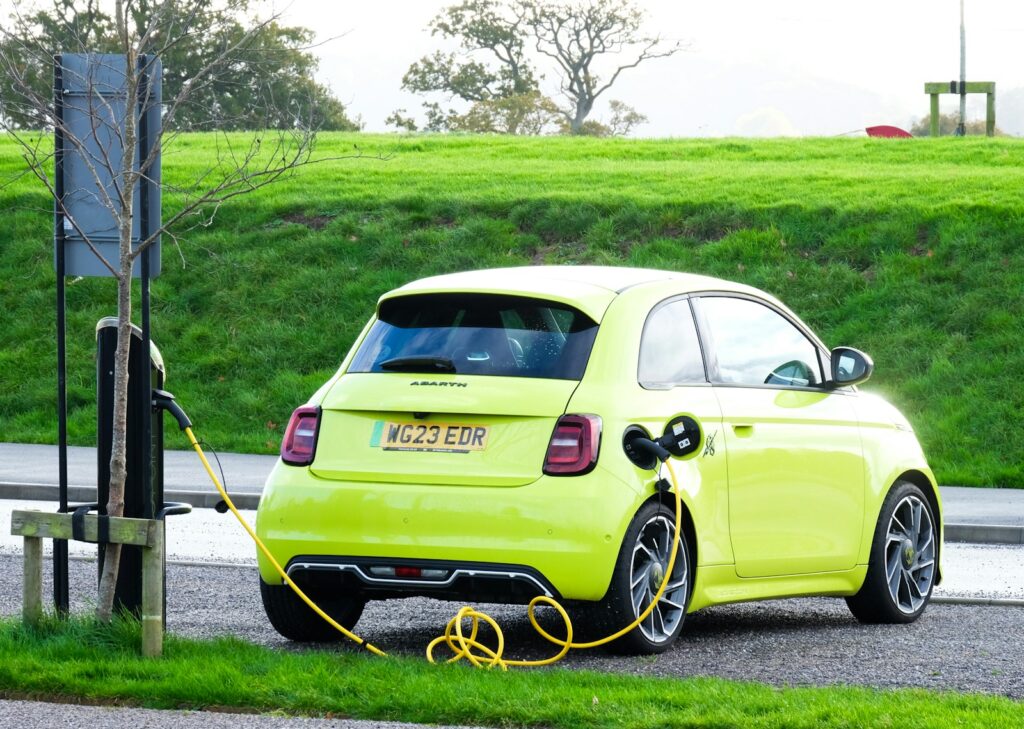
Maryland added an annual surcharge specifically for electric vehicles to offset lost fuel tax revenue. The initial EV surcharge begins at $70 per year for applicable registrations, with a scheduled increase to $90 in later years. The surcharge implementation timeline phases in: EVs will pay the $70 annual charge starting January 1, 2027, while other registration fee increases take effect July 1.
Certain rental and commercial fleets face modified surcharges or adjusted class fees. Drivers who rent or lease frequently should confirm whether the rental company passes the costs onto consumers. The MVA bulletin outlines which vehicle classes and registration types pick up the new surcharges.
New and Adjusted Excise Taxes for Purchases and Title Transfers
Maryland adjusted excise taxes tied to motor vehicle purchases and title transfers to raise transportation revenue. Buyers may see higher excise or titling fees at the point of sale, especially for used vehicles and out-of-state transfers that require title processing. The fee calculation can vary by vehicle value and whether the transaction involves a dealer versus a private-party sale.
Title transfer processing fees were also updated, affecting registration timelines and total closing costs. Customers should request an itemized fee breakdown at purchase and verify the MVA’s published fee table to anticipate exact costs. Dealers are required to disclose these charges during the sale.
Eligibility Changes for Historic Vehicles and Specialty Plates
The MVA revised eligibility criteria for historic vehicle registration and certain specialty plates, tightening age and usage rules. Owners seeking historic registration must meet updated age thresholds and usage limitations to qualify for reduced fees or special plates. Vehicles that previously qualified may need re-evaluation under the new standards.
Specialty plate issuance and renewal may carry new eligibility checks and extra renewal fees. Collectors and enthusiasts should review the Motor Vehicle Administration’s guidance and submit any required documentation — such as proof of limited use or vehicle age — when applying or renewing to avoid unexpected denials or additional charges.
Relevant official details and the complete fee schedule appear on the Maryland Motor Vehicle Administration’s bulletins and website, where drivers can view class-specific rates and timelines.
The Impact of Increased Fees on Maryland Drivers
Drivers will see higher yearly costs tied to weight-based registration fees, new EMS surcharges, and added charges for electric vehicles. These changes affect budgeting, how the Transportation Trust Fund receives money, and the timing of renewals or title transactions.
Budgeting for Rising Annual Car Ownership Costs
Families should update annual vehicle budgets to reflect the new rates: small passenger cars now face about $120.50 per year, heavier cars can jump to roughly $191.50, and motorcycles go up to $105. Those with two vehicles or multiple family members driving should multiply those amounts and add the new $40 Emergency Medical Services surcharge per vehicle.
Also factor in new biennial surcharges for electric and plug‑in hybrid vehicles ($250 and $200). That adds a predictable recurring line item for EV owners who previously paid little in gas-tax‑based fees. Include emissions testing increases and any title or registration transaction fees if selling or buying a vehicle during the year.
How the Revenue Will Fund Transportation Trust Fund and State Projects
The state directs much of the additional registration revenue into the Transportation Trust Fund to fill a projected shortfall. That funding aims to support road maintenance, bridge repairs, trauma centers, and medevac helicopter operations that the $40 EMS surcharge specifically targets.
Maryland Vehicle Administration records will track fee collection and forward proceeds to the appropriate accounts. Lawmakers and transportation officials say the increases reduce reliance on general fund transfers and gas taxes, while allowing targeted spending on emergency medical services and transportation capital projects.
Tips for Renewing Registration or Completing Transactions Before July 1
Check registration renewal and title timelines on the Maryland Vehicle Administration site and act before July 1 to avoid higher fees. If a renewal window opens shortly before July, consider renewing early; multi‑year renewals may lock in current rates for the paid period.
When buying or selling, request final cost estimates that include the new title, excise, and emissions fees. Use MVA online services where available to compare fees, pay digitally, and print receipts. If cost is a concern, plan transactions to align with lower‑fee periods or consult local tag offices for fee waiver options or payment plans.
More from Steel Horse Rides: