
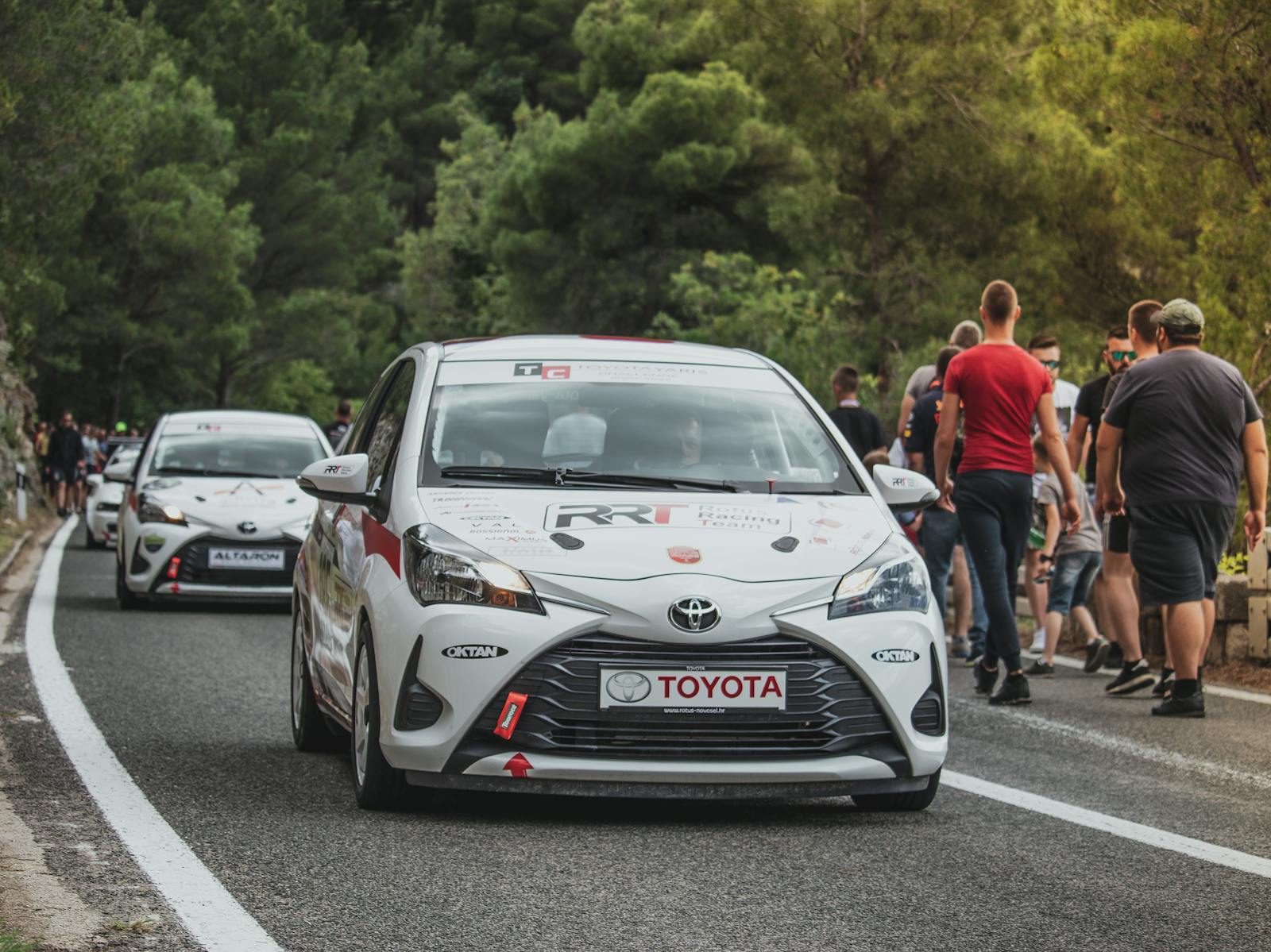

You should check your vehicle’s VIN on the National Highway Traffic Safety Administration site or contact your dealer immediately if you own a Ford, Honda, or Toyota, because some recent recalls involve safety-critical systems like brakes, seat belts, and engine components. Confirming recall status and scheduling repairs now can prevent crashes, injuries, or vehicle fires.
He’ll learn which specific systems to inspect and what warnings trigger a “do not drive” or “park outside” advisory as the post lays out urgent recall details and step-by-step actions. She’ll also find quick links and practical next steps to get repairs completed without delay.
Urgent Recall Details for Ford, Honda, and Toyota
Immediate action can reduce the chance of injury and prevent vehicle damage. Drivers should check specific model years, VINs, and manufacturer recall notices and arrange dealer repairs when remedies are available.
Recent Major Recalls and Affected Models
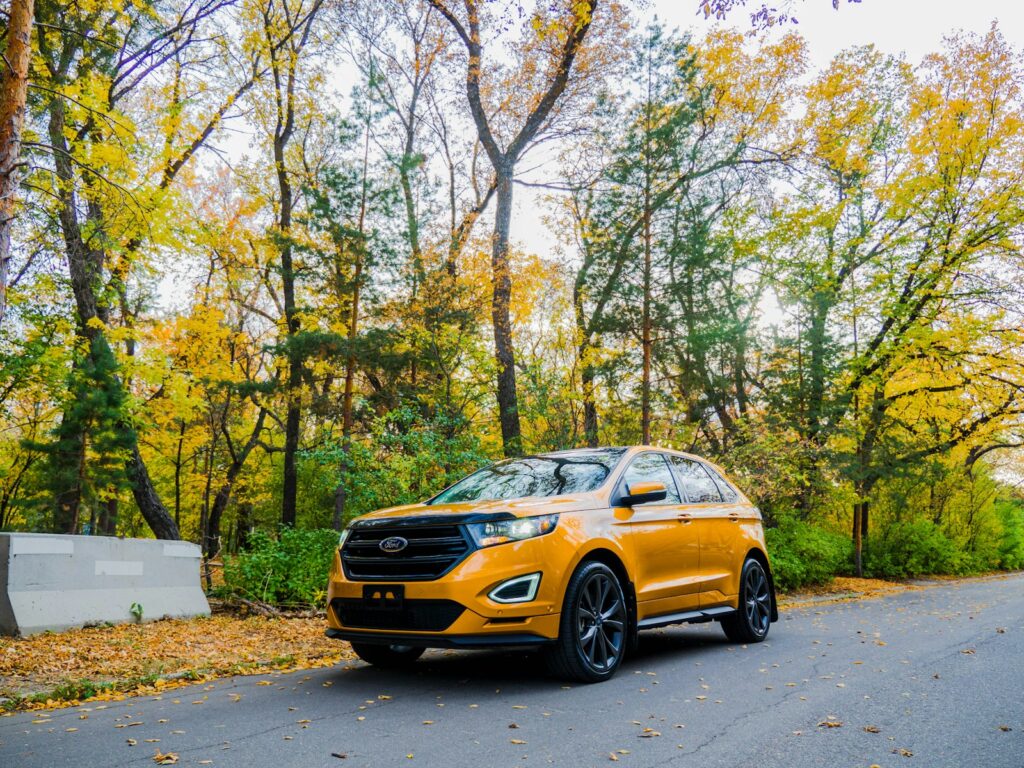
Ford issued a large recall covering many 2015–2019 models because certain rearview cameras may show distorted or blank images; dealers will inspect and replace cameras as needed. This affects pickups, SUVs, and vans across Ford and Lincoln lines and involves over a million vehicles.
Honda has targeted some recent model-year vehicles for issues ranging from powertrain software to airbag-related concerns. For airbag-related campaigns, owners should pay attention to historical Takata-related fixes and current inflator inspections.
Toyota and Lexus recalls include electronic HVAC and defroster defects on some 2023–2025 EVs and hybrids, plus other campaigns tied to safety equipment. Exact model-year lists and affected trims vary by recall; owners must compare their VIN to official listings to confirm impact.
How to Find Out If Your Car Is Impacted
Locate the vehicle identification number (VIN) on the driver-side dash or vehicle registration. Enter that VIN into the National Highway Traffic Safety Administration’s VIN lookup or a manufacturer’s recall page to see any open recalls tied to the VIN. For example, NHTSA’s VIN search shows recalls across the past 15 years and marks whether a recall remedy is complete.
Owners should also check recall notice mailings from the manufacturer and dealer service records. If a recall lists a remedy “under development,” sign up for dealer alerts and verify notification dates so repairs occur once available. Keep a copy of repair orders proving a recall was completed.
Top Safety Risks Linked to These Recalls
Faulty rearview cameras can create blind-spot hazards while reversing, increasing the chance of collision with pedestrians or objects. Loss of electric power steering assist can make steering heavy or unpredictable, raising crash risk at low speeds or during maneuvers.
Defroster or HVAC software failures that disable defogging reduce visibility in cold or wet conditions. Airbag or inflator defects can cause non-deployment or ruptures; prior Takata airbag campaigns showed how severe inflator failure can be.
Prioritize recalls that affect braking, steering, airbags, or visibility. If a recall notice lists any of those components, arrange dealer service before driving in higher-risk conditions.
Relevant tools: use the manufacturer recall pages to search by VIN for brand-specific campaigns: Ford recalls, Honda recall lookup, and Toyota VIN-based recall lookup.
What Drivers Should Check and How to Respond
Drivers should confirm whether their vehicle has any open safety recalls, note whether repairs are listed as unrepaired or repaired, and schedule or verify free dealer repairs immediately if a safety risk exists. They should also follow any immediate “do not drive” or parking guidance from the manufacturer.
Steps to Check Your Recall Status Instantly
- Find the 17-character VIN on the driver-side dash or vehicle title.
- Enter the VIN at the National Highway Traffic Safety Administration recall lookup to see open recalls by VIN (use the NHTSA recall lookup).
- Check manufacturer pages for brand-specific campaigns: Ford, Honda, and Toyota each list recalls and fixes on their owner sites.
- If buying used, run the VIN at the same lookup and ask the seller to show proof a recall repair was completed.
- Keep records: save the VIN search results and any recall notice emails or dealer repair orders.
If an immediate fire, airbag, or brake risk appears in the recall description, stop using the affected feature and follow any temporary safety instructions from the notice.
Understanding Recall Types: Unrepaired vs. Repaired
An open or unrepaired recall means the manufacturer has identified a safety defect and the vehicle still needs the corrective action. These are sometimes labeled as part of a larger safety recall campaign—historically seen in widespread events like the Takata airbag recall.
A repaired recall shows the dealer has completed the corrective action; the repair order and the VIN should reflect that. Owners should verify repairs with a dealer-stamped repair order or a searchable VIN status.
If paperwork disagrees with the vehicle’s behavior (airbag light, ABS warning, visible damage), insist the dealer re-inspect before driving extensively. Keep copies of all recall repair documentation for resale or reimbursement claims.
Getting Free Repairs and What to Expect
Federal law requires manufacturers to provide safety recall repairs free for vehicles within certain time frames; most dealers will perform recall repairs at no charge for qualifying vehicles. Contact the brand’s recall hotline or schedule online through the manufacturer’s recall page (for example, Ford, Honda, or Toyota recall pages).
Expect variable timelines: simple parts swaps or software updates can take an hour, while complex fixes or parts shortages—seen in large campaigns—can delay repairs for weeks. Ask the dealer if a loaner is available and whether temporary driving restrictions apply.
If a dealer charges for a required recall repair or denies service for a qualifying vehicle, the owner should escalate to the manufacturer’s customer relations and keep repair receipts for possible reimbursement.
More from Steel Horse Rides: