


How Potholes and Road Conditions Directly Impact Car Selection
Drivers should weigh tyre and wheel choices, suspension setup, and available ride-assist technologies because those factors determine how well a car survives potholes and rough pavement. Choosing larger tyre sidewalls, softer suspension tuning, or active dampers can cut repair costs and improve day-to-day comfort on poor roads.
Choosing the Right Tires and Wheels for Pothole Protection
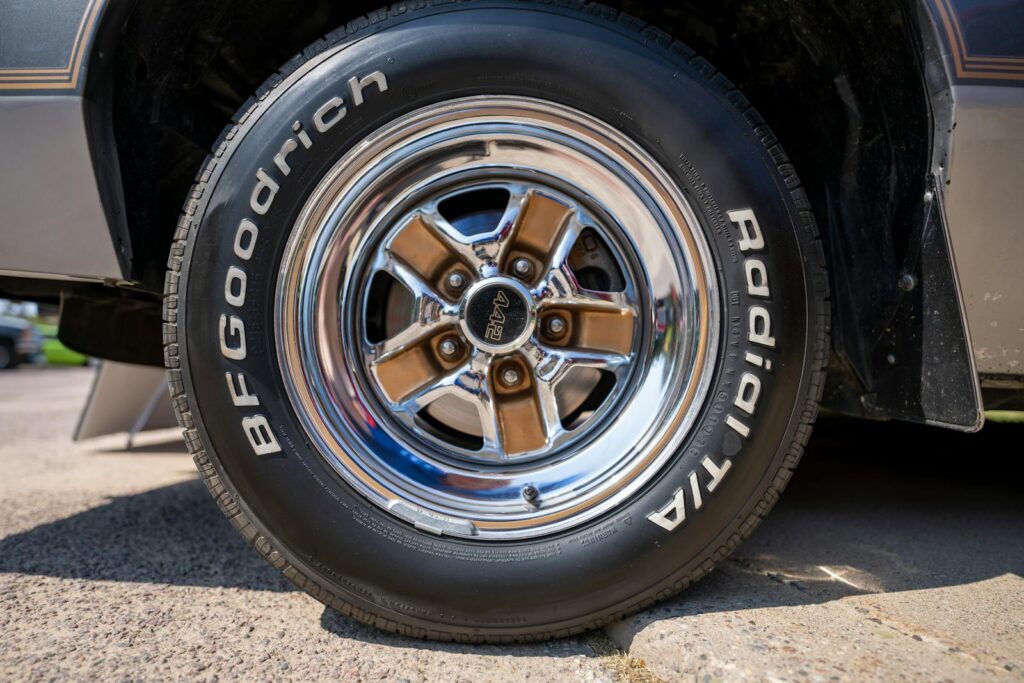
He should prioritize tyre sidewall height over rim diameter when roads are full of potholes. Taller sidewalls (higher aspect ratios) absorb impacts and reduce the chance of bent rims and tyre sidewall cuts. For example, a 235/55 tyre on a 17‑inch rim typically cushions better than a 235/40 on a 19‑inch rim.
She should pick tyres rated for reinforced sidewalls or all‑season compound if winter freeze–thaw cycles make potholes worse. Maintaining correct tyre pressure matters: underinflation increases sidewall flex; overinflation raises the chance of rim damage on impact.
They can opt for run‑flat tyres only if convenience matters, but run‑flats often have stiffer sidewalls that transfer more force to suspension. Swapping to a slightly smaller rim with a taller tyre is a cost‑effective retrofit that improves pothole resilience.
Ride Comfort Versus Performance: What Matters More on Rough Roads
Buyers who drive mostly on rough local roads should favor comfort‑oriented models with softer spring and damper tuning. Softer setups reduce transmitted shock from potholes and lower the risk of suspension component wear or broken mounts.
Performance‑focused cars with low‑profile tyres and stiff suspension give sharper handling but more frequent wheel alignment, tyre, and suspension repairs when roads are poor. If they need both, look for models that offer adjustable drive modes to soften damping for everyday drives.
Trim choice matters. Mid or base trims sometimes come with smaller wheels and taller tyres that improve ride quality and pothole tolerance compared with optional sport packages that add large rims and low‑profile tyres.
New Car Technologies Designed for Challenging Road Surfaces
Manufacturers now offer systems that actively reduce pothole impact. Active or adaptive suspension uses sensors and fast actuators to change damping in real time, which can significantly lower peak loads from pothole strikes.
Predictive cameras and GPS‑linked systems detect road imperfections and pre‑adjust ride height or damping before an impact. Air suspension provides adjustable ride height to raise the car over obstacles or increase tyre sidewall effect by lowering pressure (within safe limits).
Electronic stability and advanced driver assists don’t prevent pothole damage but can help avoid them by improving lane‑holding and steering corrections. He or she should test these systems on rough roads and compare real‑world performance rather than relying on brochure claims.
Long-Term Costs and Practical Considerations for Car Buyers
Buyers should weigh predictable expenses like routine maintenance and insurance against less predictable costs from poor roads. Choosing wheel and tyre sizes, suspension type, and trim levels can materially change repair frequency and total ownership cost.
Hidden Repair Expenses Caused by Poor Roads
Potholes often damage tyres, wheels, and alignment. A single large pothole can cause a bent alloy rim, tyre sidewall bulge, or broken suspension arm; repair bills commonly range from a puncture-sized fee to several hundred pounds/dollars for wheel and alignment work.
Drivers in areas with frequent potholes see increased brake, steering, and tyre wear. Replacing low-profile tyres or repairing struts and control arms adds recurring costs that owners should budget for alongside routine servicing.
Insurance may not cover all pothole damage; many policies treat tyre and wheel damage separately or apply excesses. Buyers should check policy wording and consider gap or tyre-and-wheel cover if roads are poor in their area.
Vehicle Longevity and Resale Value in Pothole-Prone Areas
Repeated impacts shorten a vehicle’s structural and mechanical life. Suspension components, subframes, and chassis mounts take cumulative stress; even cosmetic wheel and body damage lowers buyer confidence at resale.
Cars with comfort-oriented suspension and taller sidewall tyres generally show less long-term wear from potholes. Choosing higher-trim tech like adaptive suspension can reduce repair frequency, but it raises purchase price and replacement costs if the system fails.
Resale values fall faster for vehicles with documented undercarriage or alignment repairs. Keeping maintenance records, avoiding large aftermarket wheels, and opting for trims with tougher tyre packages helps protect trade-in value in regions plagued by potholes and poor road upkeep.
Helpful quick checklist:
- Inspect tyre sidewalls and rims regularly.
- Prefer higher-profile tyres over low-profile on rough-road routes.
- Verify insurance covers wheel and suspension damage or add specific cover.
- Keep detailed repair and alignment records for resale.
Relevant reading on how potholes influence car choice appears in this piece about how potholes could influence your next car purchase.
More from Steel Horse Rides: