
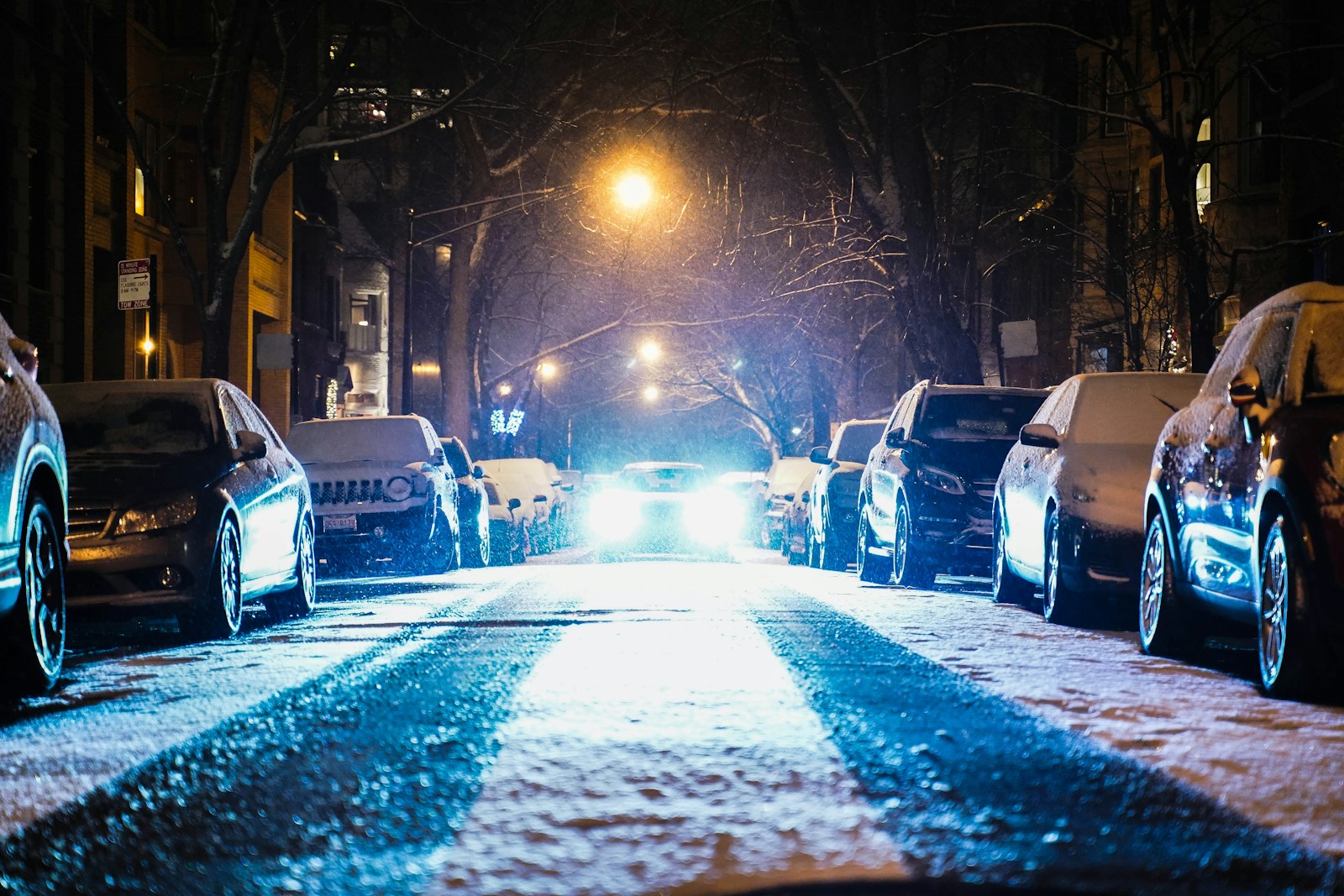

You notice glare from oncoming cars the moment night falls, and it makes driving feel riskier than it should. Ultra-bright LED and adaptive headlamps can improve visibility for the vehicle using them but often create blinding glare for others, raising real safety concerns.
They say better tech should make roads safer, yet many drivers report temporary blindness and discomfort that can slow reactions and increase crash risk. The article will look at how these lights affect vision on the road, what manufacturers and regulators are doing, and what practical fixes can reduce glare without dimming safety.
How Ultra-Bright Headlights Impact Night Driving
Ultra-bright headlights change what drivers see and how they react. They improve roadway illumination for the vehicle using them but can produce intense glare that affects other drivers, pedestrians, and cyclists.
The Rise of LED and Laser Headlights

LED and, in some high-end models, laser headlight systems have replaced older halogen and HID lamps in many new vehicles. LEDs offer higher luminous efficacy, longer life, and programmable beam patterns, so manufacturers can create sharper, whiter beams and adaptive systems that swivel with steering input.
Buyers see clearer lane markings and earlier detection of hazards with properly designed LED systems. However, aftermarket LED retrofit kits and improper replacements often mismatch optics, producing scattered or over-concentrated beams that exceed the intended pattern. That mismatch raises complaints about overly bright beams from vehicles not engineered for those bulbs.
Regulators updated some standards in recent years, but technology has outpaced uniform glare-control rules in several markets. This mismatch fuels calls for stronger requirements on beam shape, automatic leveling, and limits on luminous intensity.
Headlight Glare and Driver Experiences
Drivers report immediate effects when hit by intense oncoming headlights: temporary visual impairment, longer recovery time for night vision, and increased discomfort. Ophthalmologists describe this as discomfort glare and disability glare — discomfort causes irritation and fatigue, while disability reduces the ability to see road details.
People with normal vision experience longer pupil recovery after exposure to bright LED beams, so they miss critical seconds of visual information. Older drivers suffer more: age-related changes in the eye, like lens scattering and slower pupil response, amplify the blinding effect. Repeated exposures during long nighttime drives cause visual fatigue and distracted behavior, such as looking down or focusing on non-driving tasks to avoid glare.
Practical countermeasures drivers use include lowering speed, increasing following distance, averting gaze slightly to the road edge, and using the night-dim setting on rearview mirrors. These tactics reduce immediate risk but also divert attention from the driving task.
Nighttime Crashes and Bright Headlights
Research shows a mixed picture on whether brighter headlights increase crash rates. Some large studies and insurance analyses find little direct increase in crash frequency attributable solely to brighter beams, while other investigations link glare to crash circumstances where drivers were temporarily blinded by oncoming lights.
The relationship depends on context: poorly aimed or excessively intense beams on narrow two-lane roads and in urban areas with pedestrians raise risk more than calibrated systems on highways. Crash reports and anecdotal accounts frequently cite oncoming glare as a contributing factor in near-miss incidents and collisions at night.
Policymakers and safety groups emphasize the need to distinguish devices that improve the driver’s own visibility from those that create hazardous glare for others. Addressing headlight-related crash risk typically focuses on beam pattern control, aim enforcement, and limiting aftermarket modifications.
The Role of Vehicle Height and Headlight Alignment
Vehicle height affects where a beam strikes an oncoming driver’s eyes. Taller vehicles such as SUVs and trucks mount headlamp assemblies higher, which can project light into the line of sight of sedan drivers, increasing glare potential even with standard bulb types.
Headlight alignment determines beam cut-off and where the high-intensity portion projects. Misaligned or damaged optics produce scatter and raise uplight, which turns a controlled beam into a dazzle hazard. Routine aim checks once common at inspections have declined in many regions, leaving misaligned units on the road longer.
Solutions that reduce height-and-alignment problems include automatic leveling systems, adaptive beams that mask oncoming vehicles, stricter inspection and enforcement of aim standards, and discouraging non-OEM bulb swaps. Municipalities and safety advocates are pressing for such measures to better balance visibility gains with reduced headlight glare.
Headlight Technology, Regulations, and Solutions
Drivers report increasing glare from modern headlights, creating safety concerns and pushing for technical fixes and clearer rules. The discussion centers on how beam design, adaptive systems, and regulatory gaps affect night visibility and driver comfort.
Modern Headlight Design and Beam Patterns
LED and HID modules produce brighter, whiter light and a tighter, more concentrated beam than old halogen units. That concentrated intensity improves forward illumination but increases high-angle glare for oncoming drivers when aim or beam shaping is imperfect.
Automakers use projector lenses, reflectors, and precise optics to create cutoff lines and control stray light. Beam patterns vary by market: some prioritize long-range illumination, others emphasize a sharp horizontal cutoff. When aftermarket bulbs or poor alignment alter those patterns, drivers experience dazzling headlights and washed-out contrast.
Manufacturers also tune color temperature. Cooler (bluish) LEDs increase perceived brightness but scatter more in the eye, raising discomfort and disability glare. Proper design balances lumen output, beam cutoff, and aim to reduce glare without sacrificing driving safety.
Adaptive Driving Beams and High-Tech Solutions
Adaptive driving beams (ADB) dynamically shape or mask parts of the beam to avoid dazzling other road users while keeping high-beam illumination elsewhere. Systems use cameras, steering, and GPS to track oncoming and preceding vehicles and switch segments on or off in milliseconds.
Automakers increasingly offer ADB as a safety feature on premium and midrange models. Adaptive headlights can reduce manual high-beam toggling and retain visibility over hills and curves. Laser headlights and matrix-LED arrays extend range but demand precise software and calibration to prevent hazardous glare.
Adoption barriers include higher cost, sensor calibration needs, and inconsistent regulation. Where implemented correctly, ADB reduces glare complaints and improves spotting pedestrians and animals at distance, enhancing overall night-time hazard detection.
Headlight Regulations and Global Standards
Regulations written for halogen era headlights still influence present rules. Many jurisdictions set photometric limits and beam patterns, but standards often lag behind LED and matrix technologies, creating loopholes for brighter assemblies.
The U.S., EU, and other markets use different homologation tests and approval marks; some allow advanced beams only after extra certification. Aftermarket conversions — swapping housings or bulbs — commonly exceed legal limits and increase glare because they were not evaluated as a complete system.
Campaigns to update rules focus on performance-based criteria: measured glare (disability glare index), beam cutoff precision, and mandatory ADB certification. Regulators and automakers must align definitions of allowable luminance, enforce correct headlamp aim, and close gaps that let noncompliant parts enter the market.
Practical Tips for Reducing Glare
Drivers can reduce exposure to dazzling headlights through vehicle and personal steps. Check and correct headlamp aim every 6–12 months and after suspension or bodywork changes. Replace cloudy lenses and use manufacturer-approved bulbs only.
Use low-beam with oncoming traffic and glance toward the right lane edgeline rather than stare at oncoming headlights. Polarized or anti-reflective glasses can help for some drivers, but they don’t eliminate disability glare from intense beam sources. Report persistent glare from specific vehicles to local authorities if beams appear aimed improperly or illegally modified.
For owners considering upgrades, prefer vehicles with certified adaptive headlights or factory LED packages, and avoid cheap aftermarket projector retrofits that often increase glare.
More from Steel Horse Rides: