
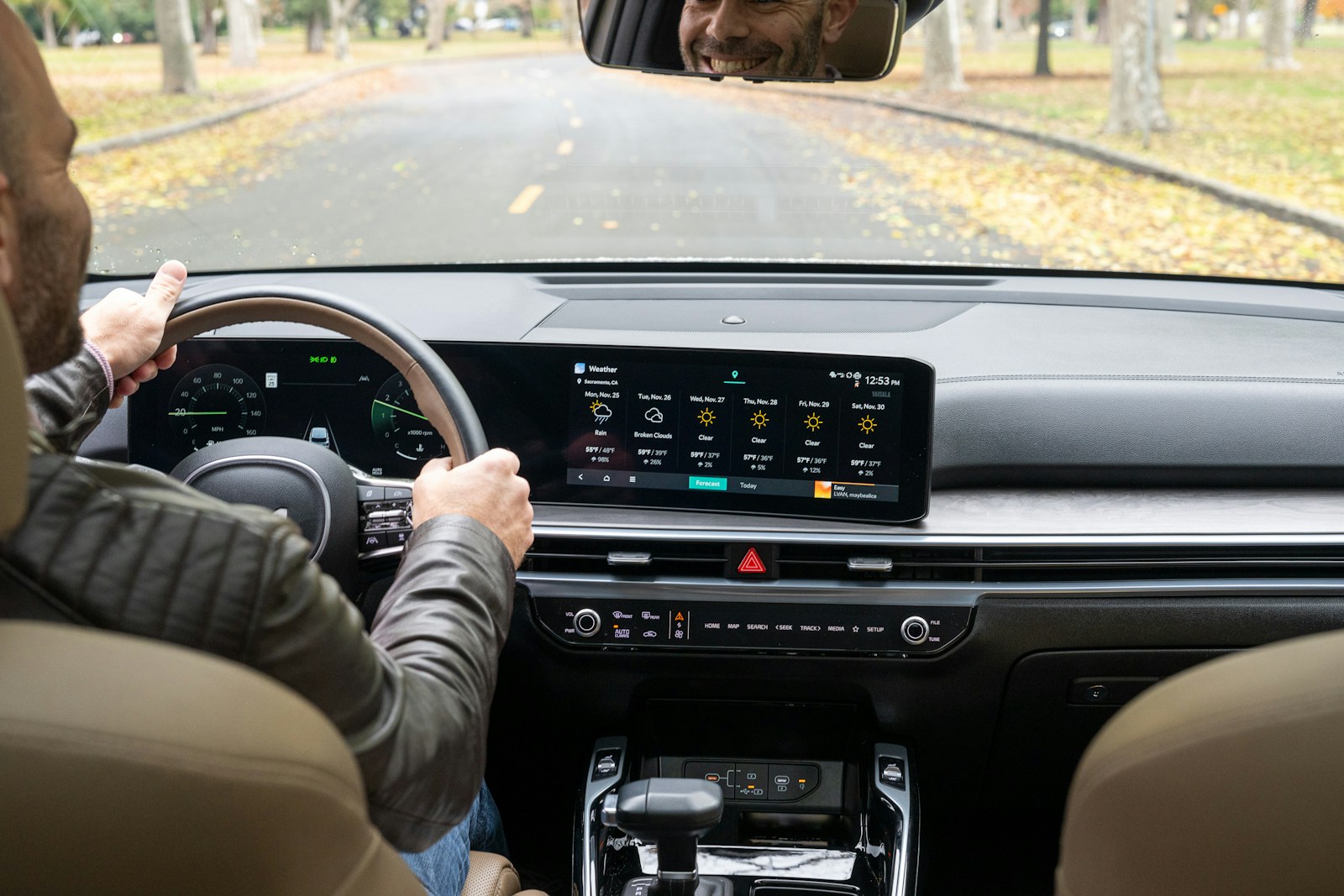

You glance at your key fob and wonder why a basic convenience now hides behind a monthly charge. Automakers increasingly lock features like heated seats and remote start inside subscription packages, turning hardware you already own into recurring bills. You can still drive the car, but some comforts may cost you extra every month unless you opt out or push back.
They justified subscriptions as a way to deliver ongoing software improvements and new features after purchase. Tension has grown because many feel ownership should mean perpetual access to installed features, not a steady fee for benefits the vehicle already includes.
How Subscription Features in New Vehicles Are Changing Car Ownership
Automakers are moving essential and convenience functions from one-time purchases into recurring charges, and that shift affects monthly cash flow, used-car value, and what buyers expect to get for the sticker price.
What Features Are Behind a Paywall and Why

Manufacturers commonly place infotainment upgrades, real-time navigation, advanced driver-assistance packages, and premium connectivity behind subscriptions. These services include live traffic, OTA (over‑the‑air) software updates, ad‑free music streaming, and enhanced voice recognition. Automakers justify subscriptions as a way to fund ongoing development, telemetry, and cloud services that require continuous infrastructure and security maintenance.
Buyers should note that some safety‑adjacent features — like more capable lane‑keeping or adaptive cruise functions — have appeared in subscription catalogs, though practices vary by brand and market. The subscription model lets OEMs monetize software long after sale and smooth revenue across product lifecycles, but it also shifts cost predictability to the owner.
Heated Seats, Remote Start, and Other Locked Hardware
Heated seats and remote start are increasingly handled through software switches even when the physical wiring exists. That means a car might include the hardware at purchase but disable it until the buyer activates a paid package. In practice, owners sometimes discover features listed as “included” on spec sheets but inaccessible without an account or monthly fee.
This approach can affect resale and inspections: used buyers may inherit cars with dormant features if previous owners didn’t transfer or pay for the necessary subscriptions. Some manufacturers offer one‑time unlocks or lifetime licenses; others require ongoing payments, so buyers must check transferability and permanent‑unlock options before buying.
Monthly Fees and the Real Cost Over Time
Monthly fees for basic services typically range from single digits to several tens of dollars. Individually small charges compound: a $10 feature plus a $15 connectivity plan and a $7 navigation fee can add $32 per month, or nearly $400 per year. Over a typical five‑year ownership period that totals about $2,000 — comparable to many hardware options offered as one‑time purchases.
Buyers should calculate lifetime cost vs. one‑time purchase offers, and ask dealers whether subscriptions can be bundled into financing. Bundling can obscure recurring costs in loan payments, increasing long‑term interest expense. For used-car shoppers, verifying active subscriptions and transfer rules helps avoid surprise losses of function and unexpected replacement costs.
Pushback, Laws, and the Future of Paywalled Car Features
Consumers have reacted strongly to paywalled vehicle functions, lawmakers in several states are drafting bans, and privacy concerns could reshape what automakers can legally charge for.
Consumer Reactions and Outrage
Drivers called out automakers after reports that built-in features like heated seats and remote start required monthly fees to enable. Social posts and viral threads highlighted feeling “nickeled-and-dimed” when hardware already existed in the car but remained locked behind subscription paywalls.
Surveys show large majorities oppose ongoing fees for hardware-enabled features, and resale complications alarm buyers who fear disabled features will transfer to used-car owners. Automakers have seen reputational damage, and some early adopters have canceled planned upgrades or shifted purchases to competitors that bundle features into trim packages.
Public pressure pushed a few brands to rethink pricing or offer one-time unlocks instead of subscriptions. Still, interest in recurring revenue remains strong within the industry, so consumer backlash will likely continue to shape product and marketing choices.
State Laws and Political Moves to Ban Fees
Several states introduced bills to restrict charging for features that rely solely on installed hardware. New York’s legislative effort, led by Senate Bill S5708, targets recurring fees for built-in functions while allowing subscriptions for services that need ongoing connectivity or third-party data.
Other states, including New Jersey and Massachusetts, filed similar measures, and legislators framed these bills around the idea that buyers should not pay twice for the same hardware. The exact reach of any ban depends on how “ongoing service cost” is legally defined, since automakers argue that maintenance, security patches, or minimal data transmission can justify fees.
If multiple states pass such laws, automakers may face a complicated patchwork that forces changes to national pricing strategies. That could drive more one-time activation options, clearer disclosures at sale, or legal challenges over pre-emption and commerce-clause arguments.
Privacy, Data Sharing, and Long-Term Impacts
Subscriptions that require connectivity collect vehicle telemetry, location, and usage patterns; that data fuels feature improvement and ongoing services, but it also raises privacy concerns. Regulators and consumer advocates worry about unclear data retention, third-party sharing, and resale implications for used-car buyers.
Automakers may pivot to subscription models that clearly tie fees to ongoing data or cloud services to stay compliant with new laws. That shifts the debate toward transparency: drivers will demand explicit disclosures of what data is collected, how long it’s stored, and whether a paid plan changes data access or sharing.
Long term, privacy rules and right-to-repair movements could limit how much software gating companies can do. Automakers that offer clear, one-time purchase options or transparent data practices are likely to avoid regulatory scrutiny and keep buyer trust.
More from Steel Horse Rides: