


Across the country, automated speed cameras are generating tickets that later prove to be flawed, illegal, or both. When that happens, drivers are not just entitled to be annoyed, they may be entitled to refunds worth hundreds of dollars per citation. From Texas to Louisiana and Florida, recent rulings and investigations show that a mailed notice is not the final word on whether a driver truly owes money.
Those developments carry a clear message for anyone who suspects a camera caught them unfairly: do not assume the system is always right. Legal challenges, technical audits, and state-level reviews are uncovering systemic errors in how some programs are authorized and how citations are issued. In several cities, officials are now scrambling to pay drivers back.
Legal cracks in camera programs are turning into refund orders
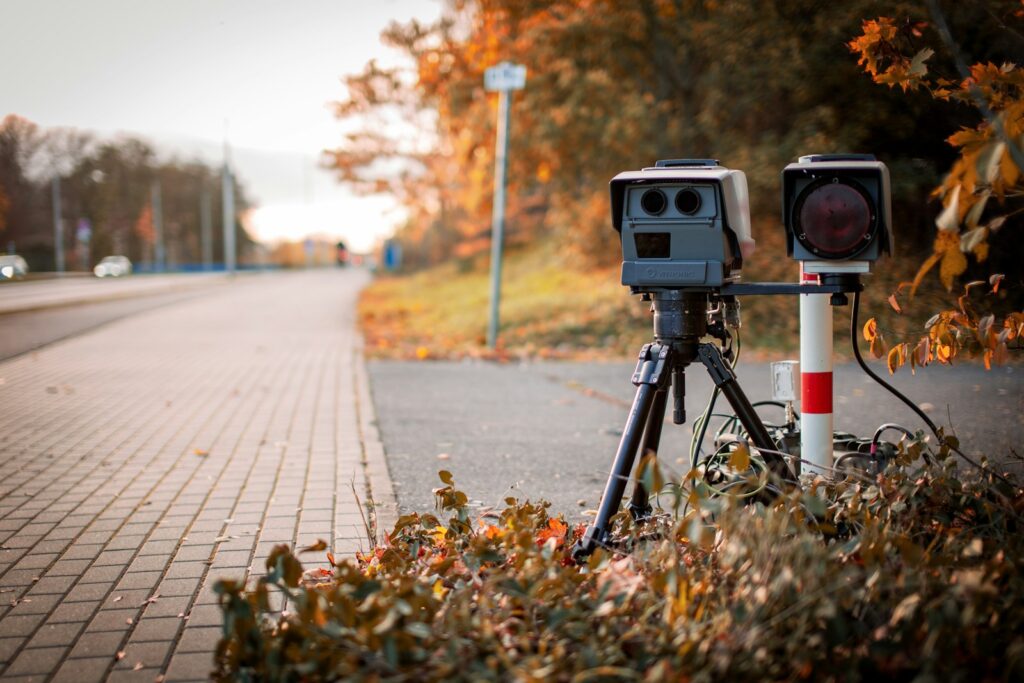
In Texas, a recent opinion involving Bexar County shows how quickly the legal ground can shift under automated enforcement. The Texas AG concluded that constables cannot send mailed speed-camera tickets under current law, a direct hit to programs tied to highway patrols and to vendors such as LIDA that were counting on large volumes of automated citations. Reporting on the ruling describes how constables working traffic along major highways, including operations associated with Mark Vojvodich, suddenly found their authority to issue these tickets called into question, raising the prospect that thousands of drivers may have been billed without a valid legal basis.
The opinion did not come out of nowhere. It followed growing scrutiny of automated ticketing in Texas, including concerns over whether local agencies had explicit legislative approval for camera-based enforcement. One detailed account of the dispute over Texas automated tickets explains how the Texas AG’s view could force agencies to unwind existing collections and potentially refund drivers whose citations were issued without clear statutory backing, a problem that stretches well beyond a single county and touches the broader debate over how far local officials can go without new laws on the books.
From New Orleans to Florida and Colorado, bad tickets are adding up
Louisiana is confronting its own wave of refund pressure, centered on school-zone cameras in New Orleans. The Louisiana Attorney General has called for a full refund of tickets issued to New Orleans drivers in school zones from Aug. 1, arguing that the city’s enforcement did not comply with state law and that revenue from tickets should not be split in ways that conflict with state requirements. In a separate directive, the Louisiana attorney general ordered New Orleans to refund school-zone speeding fines, sending a letter to Mayor Cantrell and Public Works that questioned whether the city’s program had respected statutory limits on school-zone enforcement and revenue sharing.
The financial stakes are large. The New Orleans Inspector General has said the city of New Orleans owes drivers more than $700,000 because of problems in its traffic camera program, citing rushed citation reviews and poor record-keeping that led to overpayments. Another review concluded that the New Orleans traffic camera program owes $770K in overpayments, with the OIG pointing to systemic flaws in how tickets were processed and how challenges were handled. Those findings are now fueling calls for broader refunds and program reforms.
Florida has seen similar turmoil around school-zone enforcement. In Hillsborough County, the Sheriff’s Office partners with RedSpeed for school-zone cameras, but after errors surfaced the agency announced that people incorrectly cited for speeding through Hillsborough school zones are getting refunded and that anyone impacted will receive their money automatically. A separate investigation in Palm Bay found that an employee error mixing up Miami and Palm Bay code systems triggered inaccurate tickets, and drivers who received the bad citations were told they would be refunded once the misprint was traced and the vendor acknowledged responsibility for the mistake.
Other states are confronting different but related problems. In Colorado, lawmakers are weighing changes to the definition of toll violations after drivers in Kersey complained about steep camera-based penalties. An update shared that Kersey expects to have refund forms on its website by Tuesday Feb 3 for people who already paid $340 in disputed assessments, signaling that at least some of those charges will be rolled back. In Georgia, investigations into school-zone cameras in ATL and Riverdale prompted both jurisdictions to automatically refund drivers wrongly ticketed by speed cams, and follow-up reporting in Atlanta under the banner Taxation Through Citation from An Atlanta News First highlighted how a malfunctioning traffic sign left Atlanta drivers getting refunds after automated systems ticketed them based on incorrect speed limits that most drivers do not see in time.
What wrongly ticketed drivers can do now
For drivers trying to figure out whether a camera ticket is legitimate, the first step is understanding how these systems differ from a roadside stop. Unlike traditional traffic stops, camera-issued tickets do not involve immediate interaction with law enforcement, which means there is no on-the-spot explanation of the alleged violation and often no chance to clarify whether the sign was visible, the school zone was active, or the speed limit had just changed. Legal guides on traffic cameras stress that contesting a speeding camera ticket is possible by mail or in court in most states, and that you may request a court hearing in writing if the notice provides that option instead of paying automatically.
More from Wilder Media Group: