
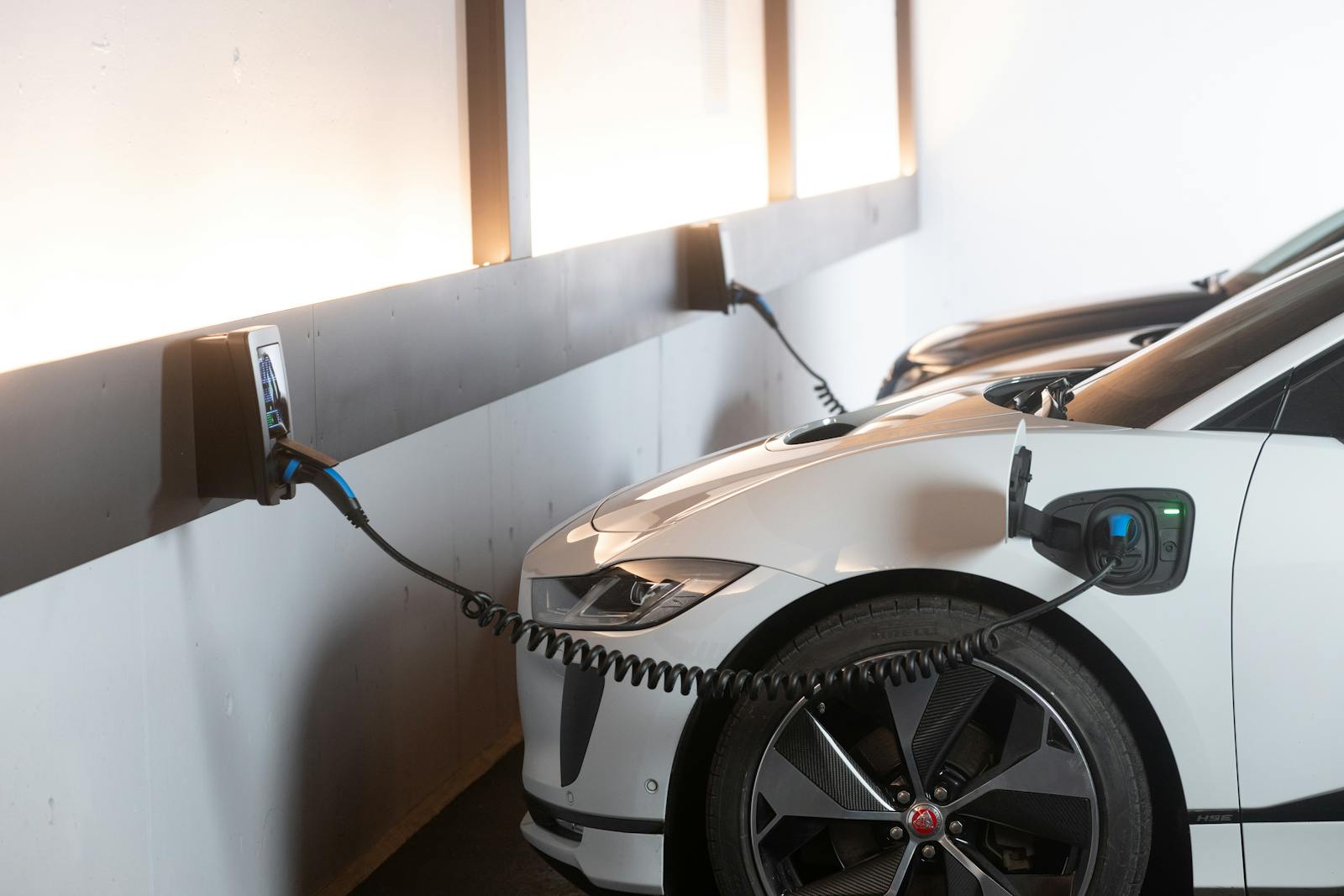

Electric vehicles can dramatically cut fuel and maintenance costs, but only if drivers charge them strategically. The biggest savings usually come from smart home charging, paired with thoughtful use of public stations when traveling. With the right equipment, rate plan, and trip planning, drivers can keep their battery topped up without draining their wallet.
From time-of-use electricity pricing to rebates and road-trip apps, the economics of charging now hinge less on technology and more on planning. Learning how to set up cost-effective home charging and how to navigate public networks turns an EV from a budgeting question mark into a predictable monthly expense.
Set up home charging that actually saves money
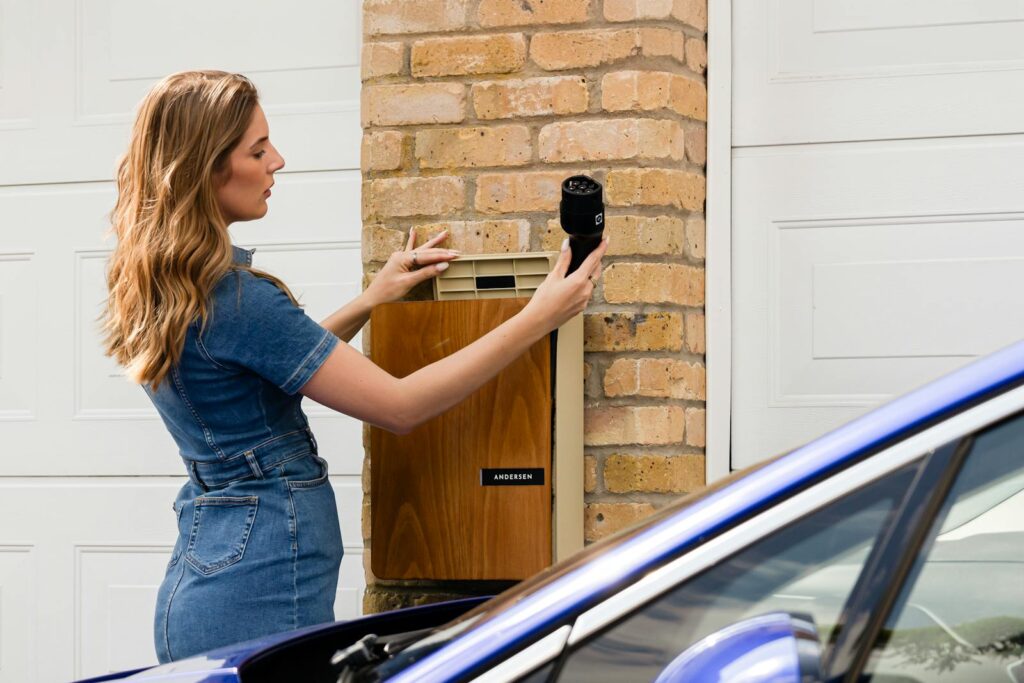
Home charging is typically the cheapest way to power an EV, especially when drivers match their setup to their driving habits rather than defaulting to the most expensive hardware. A basic Level 1 charger that plugs into a standard outlet can be enough for low-mileage drivers, while a professionally installed Level 2 unit suits heavier daily use and is often supported by utility rebates and local incentives. Utilities such as Pacific Gas and Electric provide residential charging rebates that can offset the cost of a Level 2 charger, so the upfront investment can be lower than many buyers expect.
Beginner-focused guides explain that a simple wall outlet can add roughly 3 to 5 miles of range per hour, while a typical Level 2 charger can add several times that amount, which is why many households eventually upgrade once they understand their real-world range needs. A detailed Beginner Guide On stresses that drivers should first assess how far they drive most days, then pick hardware and installation options that cover that distance with overnight charging instead of chasing maximum power output. That approach keeps equipment costs and electrician bills under control while still delivering the convenience of a full battery each morning.
Use rate plans, smart charging and solar to cut your bill
Once the charger is in place, the biggest lever on charging costs is the price of electricity at different times of day. Many utilities now offer EV-specific rate plans that reward overnight charging with significantly lower per kilowatt-hour prices. Southern California Edison, for example, promotes an electric vehicle plan that shifts costs down during off-peak hours, which means drivers who schedule charging late at night can pay far less to travel the same miles. Energy retailers and utilities also highlight that pairing an EV with rooftop solar can push fuel costs even lower, since charging directly from solar generation or a solar-friendly rate plan can undercut both gasoline and public fast charging.
Smart chargers and vehicle apps make this timing strategy easier to execute. A detailed guide on home charging explains that drivers can schedule sessions to start during off-peak windows, often using automation built into the charger or the car itself, and it frames this as a key way to reduce monthly costs without sacrificing convenience. One section labeled Pro tip: Make the most out of off-peak charging shows how time-based control, built into many smart chargers, lets drivers line up their charging with the cheapest hours on their utility bill. Additional analysis on home charging versus public charging reinforces that when drivers combine time-of-use pricing with smart scheduling, home charging becomes one of the most cost-effective ways to power transportation, especially when compared with fast-charging rates at highway stations.
Stack rebates, tax credits and local programs
Beyond rate plans, incentives can significantly lower both vehicle and charging costs if drivers know where to look. Some regions offer layered benefits that start with federal tax credits for vehicles and charging equipment, then add state or local rebates on top. A national database of incentives explains that programs help Consumers learn about for buying an electric vehicle and installing charging infrastructure, and that these credits vary by location and vehicle type. In California, for instance, regional initiatives such as MCE EV Rebates and utility offerings from Pacific Gas and Electric and other providers can further cut the cost of home chargers and even used EV purchases.
Local utility programs can be surprisingly generous, especially for households that are willing to share charging data or enroll in managed charging pilots. One city-run initiative branded as Electrify Riverside EV advertises a Used EV Rebate that lets buyers Get up to a $1,000 rebate for a used Battery Electric vehicle, provided certain conditions are met. Installers that specialize in EV charging, such as those detailing California-specific programs, highlight how stacking these local rebates with broader credits can shrink the payback period for home charging equipment and make ownership more accessible to households that are watching every dollar.
Plan road trips around affordable public charging
Public charging is often pricier than home electricity, but careful planning can narrow the gap. Before leaving, drivers can map out routes that prioritize slower Level 2 chargers at hotels, workplaces, or municipal lots, which frequently charge less per kilowatt-hour than highway fast chargers and are sometimes free for guests. Travel guides recommend Choosing Hotels With Charging Stations so that drivers can plug in overnight and start each day with a full battery at a decent price, instead of paying peak rates at fast chargers during busy travel hours. EV-focused trip planners stress that Effective route planning, especially for longer distances, should account for charging speed, station availability, and cost, since Unlike gas-powered vehicles, EVs rely on a more varied mix of charging options.
Apps and mapping tools have become essential for finding affordable stations in real time. Drivers can use PlugShare to filter stations by price, connector type, and user ratings, which helps avoid expensive or unreliable sites. Major networks like Electrify America and EVgo publish their own pricing and membership options, and consumer advocates point out that joining a network membership or subscription plan can lower per-session fees, especially for frequent highway travelers. Additional guidance on how to save at public chargers encourages drivers to favor slower chargers when time allows, avoid topping up to 100 percent at fast chargers where the last few percent can be costly, and watch for idle fees that kick in when a car stays plugged in after reaching the chosen charge level.
Use charging tools, etiquette and battery care to keep costs down
Charging strategy is not only about price; it also affects battery health and, by extension, long-term ownership costs. Battery specialists describe a simple 80/20 rule for lithium-ion packs, recommending that drivers keep daily charging between about 20 percent and 80 percent whenever possible to reduce degradation. One technical explanation of the 80/20 rule notes that avoiding full charges and very deep discharges can extend battery life, which indirectly protects the owner from expensive out-of-warranty pack replacements. Smart chargers that let drivers set charge limits and schedules support this approach, aligning battery health with off-peak pricing and helping households avoid both mechanical and financial stress.
Digital tools also help drivers stay efficient and courteous on the road. Navigation apps increasingly integrate EV data so that drivers can Plan Your Route Based on Charging Station availability and avoid arriving at stations that are out of service or fully occupied. A widely used public database of charging infrastructure lists tens of thousands of locations and helps Identify public stations by connector type and charging level, while federal guidance on charging speeds explains the difference between Level 1, Level 2, and direct current fast charging so drivers can match their stop length to the right equipment. Even local mapping entries, such as a Google listing for a specific charging plaza at this fast-charging site, give real-world examples of how clusters of high-speed chargers are being built along major routes. Together, these tools allow drivers to arrive with enough battery, move their car promptly after charging, and avoid both idle fees and the social friction that can come with crowded stations.
More from Wilder Media Group: