
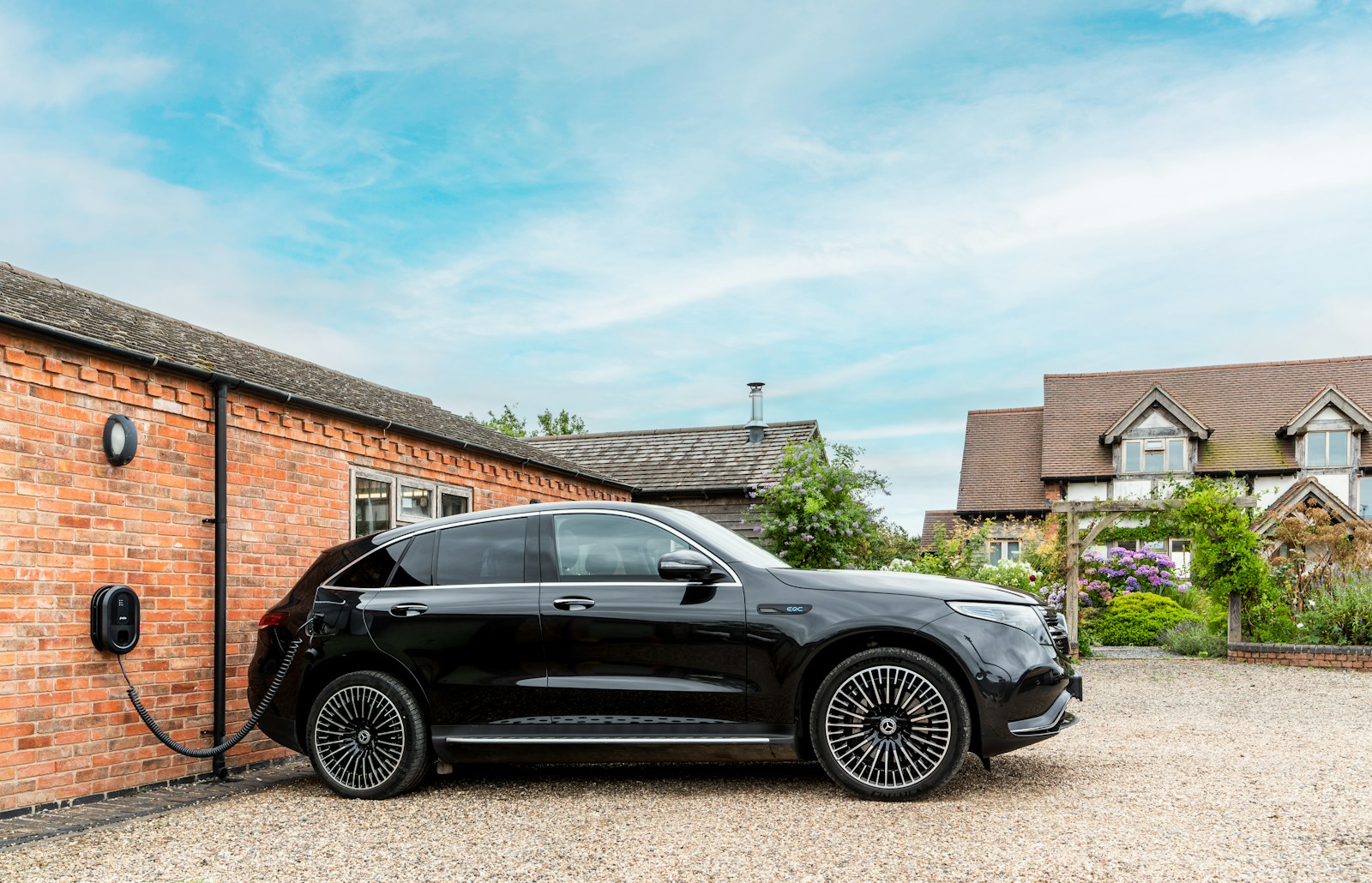

Federal support for electric cars has evolved from a straightforward nationwide perk into a patchwork of deadlines, income caps, price limits, and local rebates. Shoppers trying to figure out which EVs still come with a government discount now have to navigate both the end of major federal credits and the rise of state and charging incentives. Understanding where the big programs stand can be the difference between saving thousands of dollars and missing the window entirely.
The core promise of EV incentives has not disappeared, but it has shifted. Purchase credits for new models are winding down, while used vehicles, home chargers, and state projects now carry more of the load. That has created a market where some cars qualify for nothing at the federal level yet still unlock meaningful help from state programs or infrastructure tax breaks.
What happened to the big federal EV discounts
The centerpiece of federal support, the New Clean Vehicle Credit, once offered up to $7,500 for qualifying EVs and plug-in hybrids as long as buyers met income limits and vehicles met strict rules on final assembly, battery components, and critical minerals. The official guidance on credits for new explains that the vehicle had to be placed in service for the buyer to claim the credit and that purchases after Sept. 30, 2025 shifted into a different regime. Parallel reporting notes that Congress set an end date for federal EV tax credits as of September 30, 2025, with buyers still able to qualify if their vehicles were delivered and placed in service before that cutoff under the previous $7,500 structure.
After that date, federal purchase support effectively shut off for most new EV shoppers. One analysis of EV tax credit eligibility states that credits of $7,500 for new EVs and $4,000 for used ones expired after September 30, 2025, even though some related discounts and charger installation credits remain available. A separate guide on home energy tax credits lists the New EV credit under code 30D at up to $7,500 for vehicles purchased by September 30, 2025, reinforcing that the window for the headline discount has closed. As a result, many current EV buyers will find that the car itself no longer triggers a federal purchase credit, although other parts of their electrification plans still can.
Which vehicles and buyers still qualify for help

Although the main purchase subsidy has faded, not every EV has lost federal support. The Internal Revenue Service keeps a central page on clean vehicle tax that outlines remaining benefits, including incentives for electric vehicle charging and the Alternative Fuel Vehicle Refueling Property Tax Credit. That charging-related provision, sometimes called Section 30C, can apply to home or commercial equipment in eligible locations, rather than to the car itself. In practice, a household that missed the New Clean Vehicle Credit might still receive a tax break for installing a qualifying Level 2 charger in a garage or driveway.
Some EV shoppers can also turn to used models. The federal program for previously owned clean vehicles, referenced in the same clean vehicle guidance and expanded at used EV credit, has offered up to $4,000 for qualifying purchases, subject to price and income limits, and has different eligibility rules from the new car incentive. Separate analysis of post-2025 rules notes that the $4,000 used credit expired alongside the $7,500 new vehicle credit, but emphasizes that certain state-level discounts and charger installation credits remain available. That means the only way to know if a particular car still comes with help is to check the VIN and model year against the official lists and then layer on state programs.
State rebates, charger credits and the fine print
As federal purchase subsidies wind down, state programs and infrastructure incentives are doing more of the work. One example is Rhode Island’s DRIVEEV project, which spells out in its Vehicle Eligibility Questions how rebates apply to three types of vehicles and directs shoppers to a Program Guidance Document for details on price caps and qualifying models. That kind of state-level support can be stacked on top of whatever remains at the federal level, which is why EV advocates maintain updated guidance such as the Coltura EV tax explainer and its related pages on What the federal EV tax credit is in 2026 and FAQ: Federal EV Tax Credits, which emphasize that for most shoppers federal EV purchase credits are no longer available because of The One Big, Beautiful Bill Cutoff Deadline, while Section 30C still supports charging in eligible locations.
More from Wilder Media Group: