
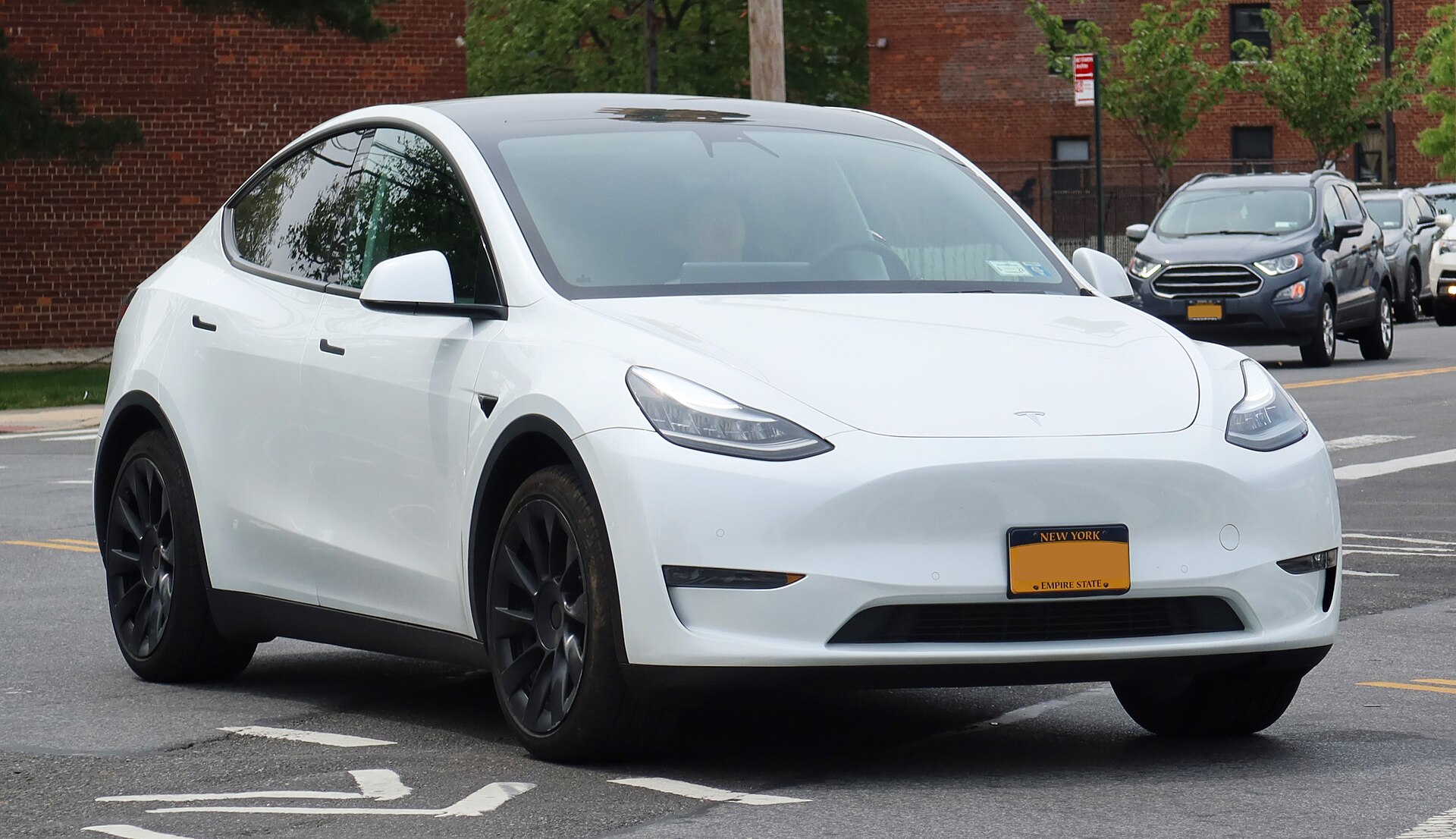

Used electric vehicles are suddenly the hottest corner of the car market, even as new battery models lose some of their shine. Shoppers who once dismissed plug-in cars over price, range anxiety, or battery fears are finding that lightly used models now answer most of those worries at a discount. The result is a record wave of secondhand EV sales that suggests skepticism is giving way to cautious confidence.
At the same time, the shift exposes a split in the market: demand is surging for affordable, pre-owned models under $25,000, while brand-new electric vehicles sit longer on dealer lots. How automakers, dealers, and policymakers respond to that gap will shape whether this moment becomes a bridge to broader electrification or a ceiling on growth.
Used EVs Hit Records While New Sales Stumble
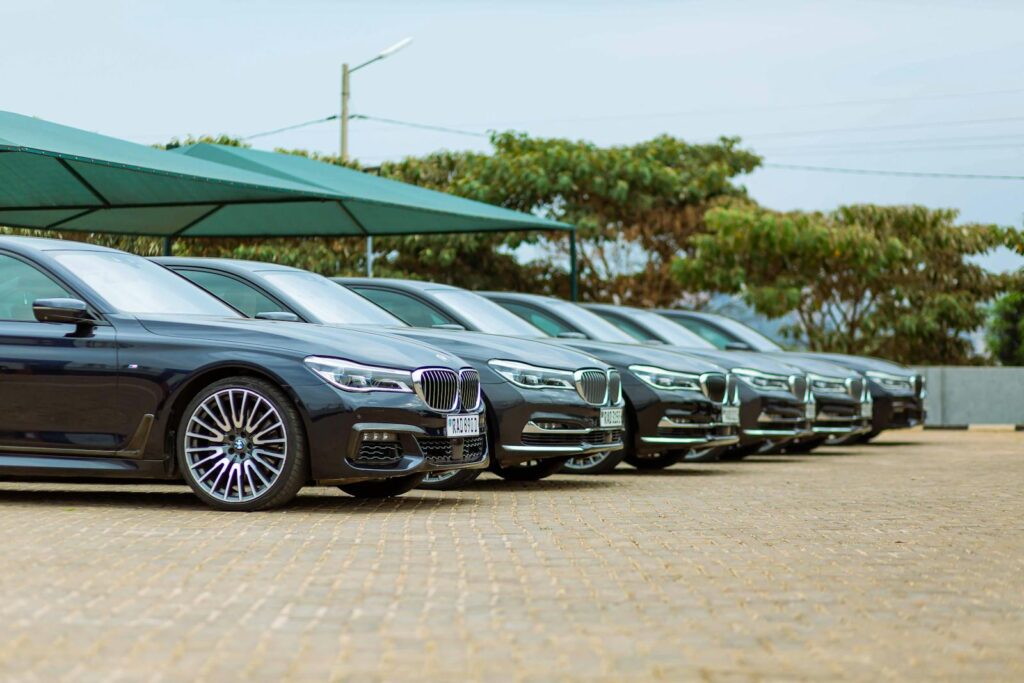
The most striking change is the raw volume of used EVs changing hands. In the final quarter of 2025, Almost 89,000 used electric vehicles were sold in the United States, a jump of 13.5% from the same period a year earlier according to Cox Automotive. That surge came just as federal purchase incentives for new EVs expired, undercutting showroom traffic but pushing more price-sensitive buyers to the secondhand market instead.
On the new side, the contrast is stark. In December, New EV Sales totaled an estimated 84,294 units, down from a year earlier, according to the EV Market Monitor section labeled New and Used EV Sales. Another Cox Automotive review of the full year framed the result as a modest setback, noting that Despite Q4 Collapse, 2025 EV Sales Decline Only 2% Versus 2024, but the quarterly plunge shows how sensitive new demand is to policy shifts and pricing pressure. In that context, the resilience of the used segment looks less like a sideshow and more like the main engine keeping electric adoption moving.
Prices Under $25,000 Pull Skeptics Off the Sidelines
Affordability is doing much of the work in converting skeptics into used EV buyers. Shoppers who balked at paying luxury-car money for a compact hatchback are now seeing late-model electric crossovers and sedans listed for less than $25,000, often with low mileage and modern tech. A Los Angeles report described how Traffic may have dried up at some new-car EV showrooms, but used electric vehicles under $25,000 are moving quickly as budget-conscious commuters and first-time EV owners pounce on deals.
Battery durability is easing another core worry. Analysts note that EV batteries are proving more durable than many early buyers feared, with coverage in the United States generally running at least eight years or 100,000 miles on many models, which makes a three- or four-year-old car feel like a relatively safe bet for a second owner. That reassurance, combined with falling sticker prices and the ability to cross-shop a used Chevrolet Bolt or Nissan Leaf against a similarly priced gasoline compact, is steadily eroding the perception that electric cars are an experimental luxury rather than a mainstream option.
Lease Returns and Inventory Flood the Secondhand Market
The supply of used EVs is not an accident of timing; it is the predictable result of lease-heavy strategies earlier in the decade. Automakers leaned on leasing to move high-priced early models, and those contracts are now expiring in a wave. One industry newsletter highlighted that more than a million EV lease returns are expected between 2025 and 2027, a pipeline that writer Julie Walker described as a timely shift for dealers looking to keep customers in electric products despite the end of federal tax credits.
Those returns often come with relatively low mileage and updated software, which helps explain why the Used EV Market Thriving narrative has taken hold. A research snapshot from earlier this month described a Used EV Market with 35% Growth in sales compared with the previous year, driven largely by these off-lease vehicles cycling into dealer inventories. For shoppers, that means a growing menu of trims, colors, and battery sizes instead of the sparse, one-or-two-model selection that characterized the used EV aisle only a few years ago.
Data Shows Skepticism Shifting to Pragmatic Shopping
The numbers suggest consumer attitudes are moving from ideological debates about electrification to practical questions about value and convenience. A detailed buying report from Recurrent found that shoppers are increasingly focused on concrete metrics such as real-world range, charging speeds, and battery health scores, rather than broad fears about technology risk. That research, accessible through an Untitled link that leads to the same analysis, reinforces the idea that buyers now treat EVs like any other used car purchase, with spreadsheets and inspection checklists instead of blind faith or blanket rejection.
Market monitors echo the shift. An EV Market Monitor that tracks New and Used EV Sales notes that while some early adopters are now trading out of their first EVs, a larger wave of buyers is entering at the used level, attracted by clear monthly payment savings and lower fueling costs. That pattern suggests skepticism has not vanished so much as narrowed: instead of asking whether electric cars work at all, shoppers are asking whether a specific used model fits their commute, charging access, and budget.
Used Market Strength Could Reshape Automaker Strategy
Automakers and dealers are watching these trends closely, because a strong secondhand market can either support or undermine new sales. On one hand, analysts quoted in several reports argue that New EVs still outsell used ones by a long shot, but a mature used market will help buttress demand for new battery-powered models over time by reassuring first owners that their cars will hold some value. That logic appears in coverage that notes how New EVs and used EVs are increasingly linked, with shoppers cross-shopping both sides of the market before deciding where the better deal lies.
On the other hand, the price gap between new and used models is forcing tough choices. General Motors and Tesla, two of the most visible electric brands, now see some of their earlier models selling used for a fraction of the original price, which makes it harder to convince value-focused buyers to pay a premium for the latest trim. The same dynamic is starting to influence product planning at legacy luxury makers such as BMW, which once targeted high-income early adopters given EVs’ range and charging issues but now must consider how smaller, cheaper models will perform in a world where secondhand EVs undercut entry-level gasoline cars. If the current pattern holds, the record used EV sales of late 2025 may be remembered less as a blip and more as the moment the electric market finally started to look like a normal car business, with a busy, trusted used lane drawing in the next wave of drivers.
More from Wilder Media Group: