

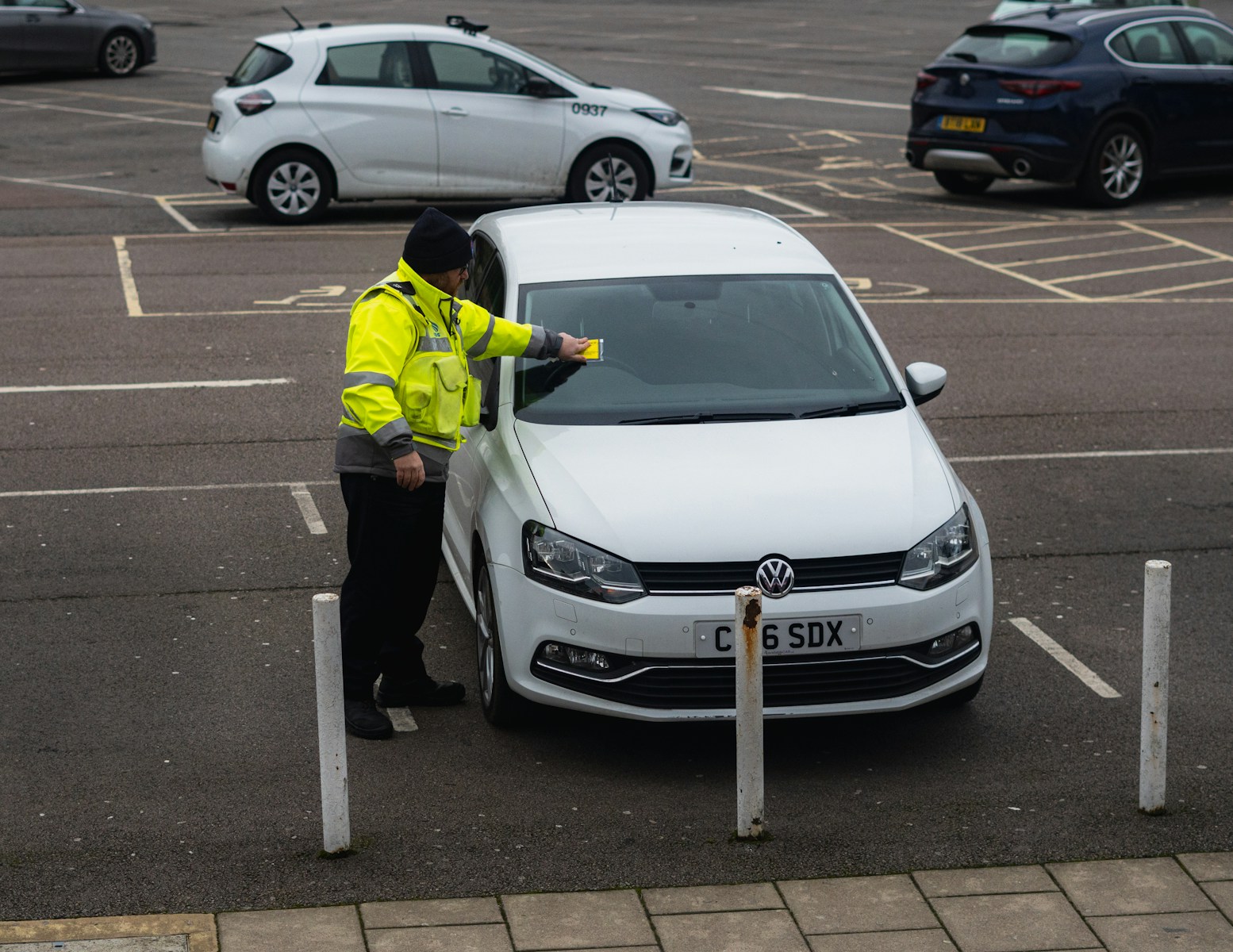
Parking tickets used to be a quiet line item in city budgets, the sort of annoyance drivers grumbled about and then paid. That era is ending. From big coastal hubs to smaller capitals, residents are pressing leaders to reconsider how far parking fines and enforcement should go before they start to look less like traffic management and more like a backdoor tax.
City halls are feeling the squeeze from two sides: budget gaps that make citation revenue tempting, and mounting criticism that aggressive ticketing punishes low income drivers while barely touching wealthier ones. The fight over where to draw that line is reshaping how officials talk about equity, public safety, and what a fair parking system should be.
When Parking Becomes a Budget Strategy
The tension is clearest in places that openly lean on tickets to patch holes in the general fund. In New Orleans, officials are cracking down on a backlog of unpaid tickets as part of a broader plan to handle a looming deficit. Local reporting describes leaders banking on stepped up parking enforcement and meter collections as one piece of a budget fix, alongside a push on other fees and collections. That strategy treats curb space as a revenue asset, not just a mobility tool, and it lands hardest on residents who already struggle to keep up with rising costs.
The politics are tricky. When leaders in New Orleans rely to keep services running, they also invite accusations that enforcement priorities are being set by spreadsheets instead of safety. A separate report on plans to ramp details how the city hopes to clear a costly backlog of unpaid tickets, underscoring how dependent the budget has become on getting drivers to pay up. Residents hear that message and reasonably wonder whether the goal is open space turnover or simply more cash.
Equity Pushback And Local Experiments
Other cities are starting from the opposite direction, treating parking debt as a barrier to opportunity rather than a line of income. In CHICAGO, Mayor Brandon Johnson to give residents a way out from under years of unpaid citations. The initiative from Mayor Brandon Johnson offers structured relief on old vehicle and commercial ticket balances, acknowledging that aggressive collections can trap drivers in cycles of fines, booting, and license suspensions that make it harder to keep a job.
California lawmakers have taken a similar equity lens statewide. A New California law reported by Veronica Catlin lets low income drivers have parking penalties reduced or waived if they cannot afford them, shifting the focus from punishment to ability to pay. That idea echoes research highlighted in Aligning Fines with, which argues that low fines may fail to deter behavior that jeopardizes safety while excessively high fines can burden low income motorists. The report calls for “Rethinking Fines to Align with” the actual social harm of violations, and for using that framework as a starting point for transformation.
Advocates also point to how unpaid tickets intersect with other forms of debt. One academic study of municipal finance notes that Other examples include hiring Harris & Harris to collect unpaid traffic tickets and utility bills to make up for budget shortfalls, a move the paper links to what it calls the policing of Black debt. That critique is now bleeding into the parking debate, where residents question whether cities are outsourcing not just collections but also the power to decide how aggressively to pursue people who fall behind.
From Ticket Quotas To “Compliance First”
At the same time, a quieter shift is happening inside transportation departments. A survey of agencies across North America found that Cities across North are increasingly focused on encouraging payment compliance rather than maximizing citation volume. Instead of measuring success by how many tickets get written, managers are starting to track how many drivers pay for their time at the curb or move along when their meter expires. A companion report notes that Looking ahead, respondents expect more digital enforcement, automation, and connected systems to define the next phase of parking compliance.
Vendors are eager to help cities get there. A recent study highlighted by Passport reports that Jan 28, 2026) are prioritizing compliance when they manage parking, and that smaller and mid sized municipalities often sit at the lower end of enforcement ranges because they have fewer staff on the street. A related release notes that Smaller and mid sized cities expect to expand digital tools over the next three to five years, using license plate recognition and mobile apps to nudge drivers into paying before a ticket is ever written.
The rhetoric is shifting too. A feature on how Cities across North are rethinking enforcement describes a move toward behavior change rather than raw ticket counts, with officials talking about “compliance first” as a way to justify investments in new tech. That same mindset is starting to surface in local debates. In Milwaukee, for example, drivers are already worried that proposed 2026 budget targets will mean Prev Next Milwaukee will quietly lean on more tickets, even as leaders insist the goal is simply to keep cars moving and meters paid.
More from Wilder Media Group: