
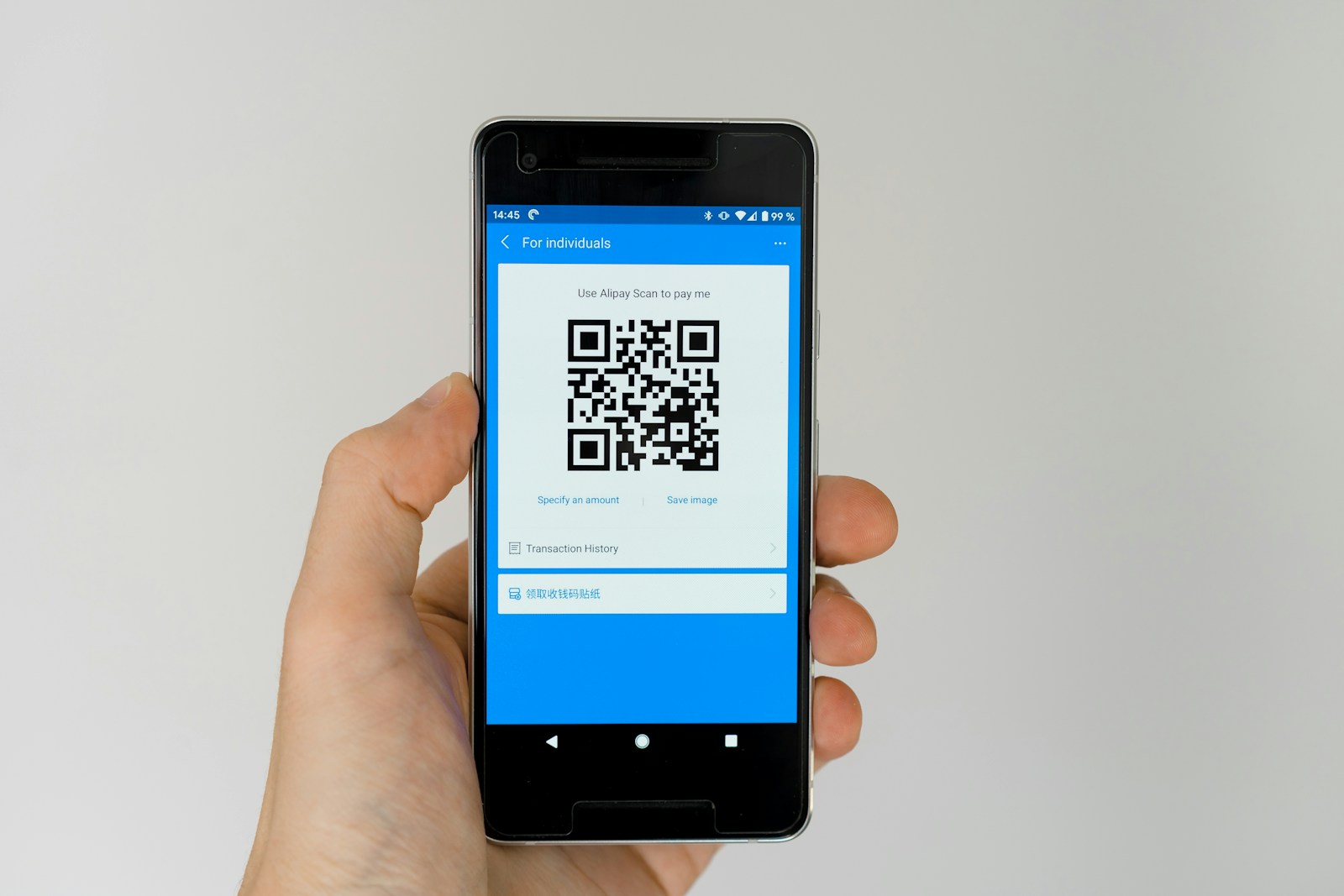

You may soon pay an extra $15 if you choose a smartphone version of your driver’s license under new state laws rolling out across the country. If you want the convenience of a digital ID during traffic stops or travel, expect a possible $15 surcharge and new security and privacy rules tied to how states issue and protect mobile licenses.
This piece breaks down why the fee is appearing, how digital ID programs work, and what to watch for when your state offers a mobile driver’s license. It also explains practical steps to avoid unexpected charges and protect personal data as jurisdictions adopt smartphone-based license systems.
Understanding the $15 Surcharge and How Digital ID Laws Are Changing
States are increasingly offering smartphone-based driver’s licenses and often add a small surcharge to cover new systems, backend security, and compliance with federal Real ID requirements. Drivers should expect extra line-items on renewals or new-card issuances when they opt in to a mobile driver’s license (MDL).
Why States Are Adding a $15 Surcharge for Digital IDs
States cite implementation costs for MDL platforms, ongoing cybersecurity monitoring, and interoperability work as primary reasons for a surcharge. That $15 often funds vendor contracts for app development, encryption, and integration with existing DMV databases that must meet Real ID standards.
Legislatures sometimes label the fee a “technology,” “convenience,” or “processing” charge. In practice, it spreads startup and maintenance costs across users rather than raising general taxes, but it means many drivers pay more at renewal even if they never use the mobile ID.
How Surcharges Are Applied at DMV Renewals and Online Portals

DMVs typically add the surcharge during a renewal or when issuing a new credential; it appears as a separate line on receipts and online checkouts. Online portals may present the mobile-ID option with the fee prechecked or shown as an add-on, requiring an explicit opt-out in some states.
Clerks at physical offices can also collect the fee when a driver requests a digital ID or selects the compliant Real ID “Gold Star” upgrade. Drivers renewing by mail or third-party services should watch for the extra charge and verify whether it’s optional before completing payment.
Optional vs. Mandatory Digital ID Upgrades and Default Selections
Some states make the mobile ID optional: drivers can keep a physical license without paying additional fees. Other laws, however, tie digital-ID infrastructure to Real ID compliance, creating situations where the compliant credential (and its higher-cost processing) becomes the default at renewal.
Default selections in online flows matter. If the MDL or Real ID option is preselected, many users will accept it and incur the $15 surcharge inadvertently. Drivers should check forms and uncheck digital-upgrade boxes if they do not want the mobile ID or related technology fee.
Mobile Driver’s Licenses: Convenience, Costs, and Fine Print
MDLs promise quick access and fewer lost-card incidents, and they can speed up identity checks at traffic stops or airport security if accepted. But convenience comes with trade-offs: the surcharge, potential in-app purchase restrictions, and device-dependency risks if a phone is lost, drained, or incompatible with the DMV app.
Drivers should read terms for data sharing, retention, and whether the MDL counts as Real ID enforcement. House bills and state statutes vary on whether the mobile ID replaces the physical card legally, and whether the fee applies during digital ID renewal or only at initial issuance. Check the DMV’s fee schedule and app privacy policy before opting in.
Relevant reporting shows states are already adding $15-style charges as they roll out digital licenses; readers can review specific state changes at local DMV pages, such as Minnesota’s updated driver’s license and ID card fees.
What Drivers Need to Know About New Smartphone-Based License Systems
States are adding phone-based driver’s licenses that can be updated remotely, require new security checks, and in some proposals add a per-transaction or issuance fee that appears on DMV bills. Drivers will need to decide whether to keep a physical ID, accept biometric authentication on their phone, or pay new surcharges tied to digital ID enrollment or renewals.
Physical ID vs. Digital ID: What’s Still Required
Physical ID remains an option in most states that adopt mobile driver’s licenses, and many laws explicitly preserve the paper or plastic license for those who prefer it. For example, state rollout plans and bills under consideration typically state that physical cards are still valid for traffic stops, voting requirements, or any interaction where the official demands a printed credential.
Drivers should confirm whether a digital ID can be used for specific tasks like airport TSA checks, voter ID, or proving age at retail locations in their state. They should also check their DMV’s rules about first-time issuance; some statutes require an in-person visit for initial identity verification before a digital ID can be issued. Finally, people who rely on shared devices or who lack smartphones should plan to retain a physical license to avoid access problems.
Security, Privacy, and Encryption Concerns
Mobile driver’s licenses rely on encryption, secure element storage, and often biometric unlocking to prevent unauthorized access. States and vendors use standards-based encryption to protect the credential in transit and at rest; however, drivers should verify whether their state uses end-to-end encryption and what data (location, transaction logs) the DMV or third parties retain.
Privacy policies vary. Some proposals and bills require strict data minimization and prohibit bulk tracking, while others permit limited retention for fraud prevention. Drivers should read their state’s privacy terms and enable device-level protections: strong passcodes, biometric locks, and operating-system updates. If a law or bill mentions identity verification or biometric checks, drivers should ask how long biometric templates are stored and whether law enforcement can access them without a warrant.
Real ID Upgrades, Federal Rules, and Travel Impacts
A mobile driver’s license does not automatically replace a federally accepted REAL ID unless the state’s mobile ID program has TSA approval. Travelers should verify whether a state’s digital ID meets federal standards for airport security. The Transportation Security Administration maintains guidance on mobile driver’s licenses and which state implementations it accepts for boarding.
When upgrading to a REAL ID or enrolling in a state’s mobile ID program, drivers may face separate transactions: a REAL ID upgrade fee and a digital-ID issuance fee. That can affect travel plans if a traveler assumes the phone credential will work at an airport without confirming TSA acceptance. Drivers should check DMV notices for REAL ID upgrade requirements before relying on a digital credential for domestic air travel.
Avoiding Extra Fees and Navigating Auto-Renewal Traps
Some legislative proposals add modest surcharges — for example, a $10–$25 digital ID issuance or convenience charge — which can appear as new DMV fees. Drivers should inspect bills like House Bill 4592 or companion state proposals referenced in legislative tracking to see if lawmakers authorized a specific surcharge or vendor transaction fee.
Auto-renewal and convenience services can trigger recurring charges. Drivers should opt out of automatic digital-ID renewals if they prefer one-time renewals, and they should check whether the DMV or a private vendor controls billing. To avoid surprise costs, people should review fee schedules before enrollment, watch for add-on services during checkout, and keep receipts for any digital-ID transactions in case of incorrect charges or disputes.
More from Steel Horse Rides: