

You’re watching a major shift unfold in the auto industry as companies confront weaker EV demand and rising production costs. They’re scaling back some all‑electric plans, reworking product mixes, and prioritizing affordability and hybrids to protect margins and market share. Expect clearer explanations of why automakers are hitting pause on some EV bets, what that means for prices and model lines, and how industry strategies will change in the next few years.
They face pressure from costly battery production, slower consumer adoption, and changing policy incentives, so many now favor pragmatic moves over headline‑grabbing promises. The article will unpack the drivers behind the rethink and show how manufacturers are adapting plants, portfolios, and forecasts to stay competitive.
Why Automakers Are Rethinking EV Investments
Automakers face weaker-than-expected EV demand, rising production costs, and shifting policy incentives that together force tougher capital decisions and model prioritization. They are trimming expansion plans, re-evaluating model lineups, and shifting some capacity back toward combustion vehicles or hybrid offerings.
Drop in EV Sales and Market Share
EV sales growth has slowed from the double-digit gains of earlier years to modest increases and occasional monthly declines. Data from industry trackers show inventory piling up at dealers, and companies report softer retail demand that has reduced the urgency to scale production.
Legacy manufacturers — including General Motors and Ford — have cited lower-than-projected retail take-rates for specific EV models. Tesla’s price cuts and volume tactics compressed margins across the market, while Cox Automotive and others reported higher EV days’ supply compared with gasoline cars. Wall Street reacted by pressuring guidance and valuations, prompting executives to pause or delay new EV launches until demand stabilizes.
High Production Costs and Financial Write-Downs
Battery packs and related components remain a major portion of EV bill-of-materials, keeping sticker prices above many buyers’ budgets. Automakers invested billions in battery plants and dedicated EV lines; when demand fell short, some booked impairment charges and asset write-downs to shore up balance sheets.
Ford recorded large EV-related charges and pushed back capital projects after profitability worsened in its EV unit. Stellantis and other groups also adjusted near-term investment plans to protect cash flow. The combination of high upfront capital, pressured margins from discounting, and uncertain resale values has made Wall Street less tolerant of long ramp-up losses, increasing scrutiny on future EV spending.
Changing Consumer Preferences

Many buyers still prioritize purchase price, driving range, and charging access over zero-emission status alone. High interest rates and inflation have pushed price-sensitive shoppers toward lower-cost combustion or hybrid models, or toward used vehicles, reducing initial EV demand.
Fleet and rental buyers, who once absorbed volume, slowed or rebalanced EV purchases after weaker resale prices reduced total cost-of-ownership benefits. Automakers adjusted marketing and product mixes; some delayed purely electric variants or introduced more affordable battery models to match what consumers will actually pay rather than idealized projections.
Policy Changes and Unpredictable Incentives
Shifts in tax credits and qualifying rules changed the economics for many buyers and models. The phase-out or alteration of the $7,500 EV tax credit for some vehicles created timing cliffs that disrupted purchase decisions and manufacturer planning.
Automakers must now factor in changing government requirements for domestic sourcing, battery material rules, and regional incentives when sizing plants and pricing models. That regulatory complexity—plus variable local rebates and infrastructure gaps—makes forecasting EV demand harder, so firms delay large bets until incentive frameworks and supply chains become more predictable.
Industry Responses and the Evolving Road Ahead
Automakers are reallocating capital, shifting product mixes, and reworking factory plans to match softer EV demand and high per-vehicle costs. They are balancing continued electrification investments with renewed emphasis on hybrids, trucks and existing internal combustion engine programs.
Shift to Hybrid and Plug-In Hybrid Models
Many OEMs now prioritize hybrids and plug-in hybrids to bridge consumer preference and regulatory expectations. Ford and other U.S. automakers are expanding hybrid lineups while delaying or shrinking all-electric rollouts. Hybrids offer lower production cost increases than full EVs and keep tailpipe emissions reductions without depending on broad charging infrastructure deployment.
Dealers get more tradeable inventory with hybrids: customers who worry about range or charging networks can choose a conventional fuel backup. Manufacturers also use plug‑in hybrids to meet corporate fleet emissions targets and retain customers who want partial electrification without replacing their fueling habits.
Adjusting EV Production Plans and Factory Uses
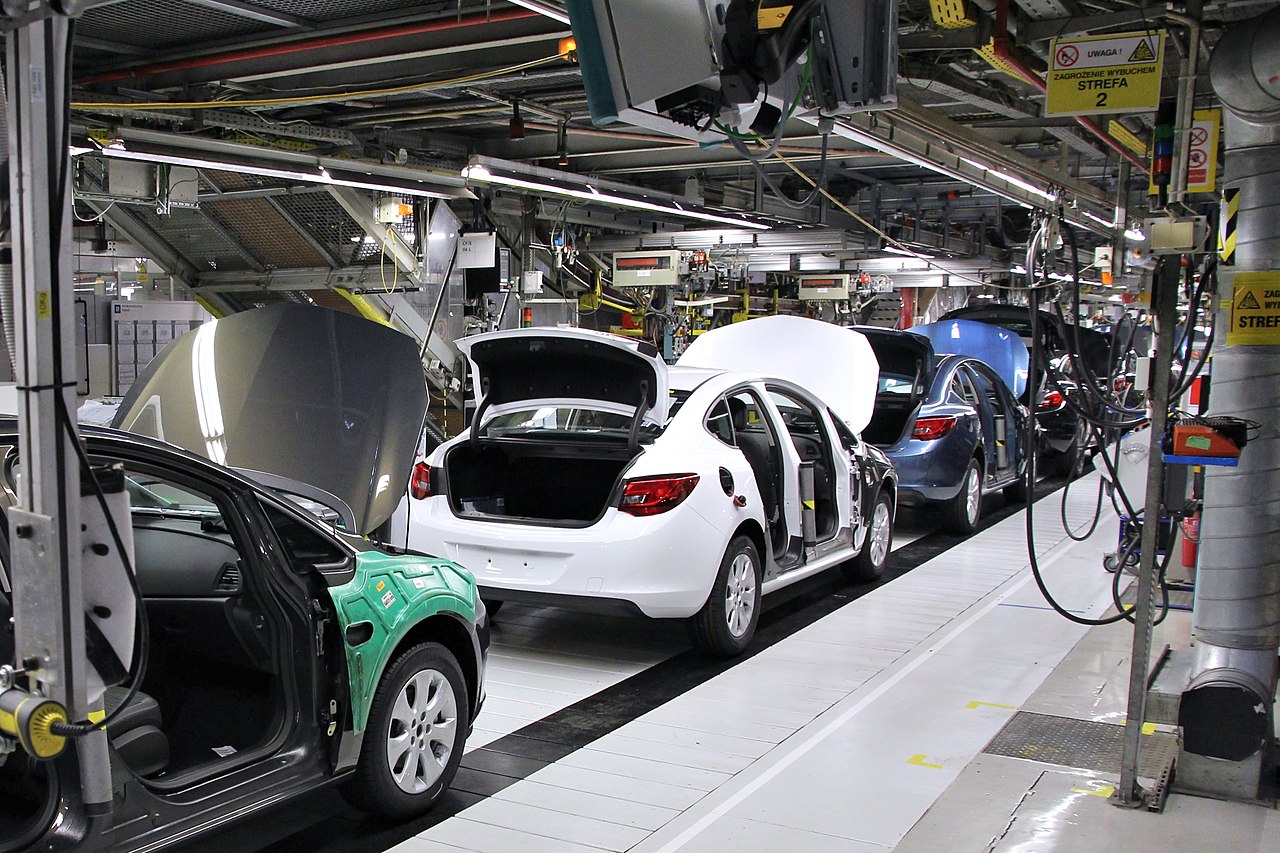
Companies are repurposing planned EV capacity into trucks, SUVs and mixed lines to reduce idle assets and improve margins. GM has shifted some planned EV capacity toward large trucks and SUVs after write-downs tied to EV investments. Ford reevaluated next‑gen electric truck programs and is redirecting investment to smaller, lower-cost EVs and hybrids.
Plants under construction or designed for dedicated EV builds are being adapted for multi‑propulsion production to allow rapid changes in output. That flexibility helps protect against demand swings and tariff or policy shifts. Executives cite reduced near‑term EV volumes and higher per-unit costs as primary drivers of these adjustments.
Battery Technology Innovations and Supplier Dynamics
Battery cost, chemistry and supply-chain resilience remain decisive factors in EV competitiveness. Automakers press suppliers and partners like LG to cut cell costs and localize production to avoid tariff exposure and shipping bottlenecks. Advances in cell chemistry, such as higher nickel mixes and silicon-anode pilots, aim to raise energy density and lower pack costs but require qualifying at scale.
OEMs also renegotiate supplier terms and diversify sourcing to manage raw-material volatility. Some prioritize longer-term agreements to secure capacity; others fund start-ups for next‑gen cells. Improved battery economics will determine whether the market shifts back toward faster electrification or settles into a mosaic of electrified and internal combustion engine offerings.
More from Steel Horse Rides: