
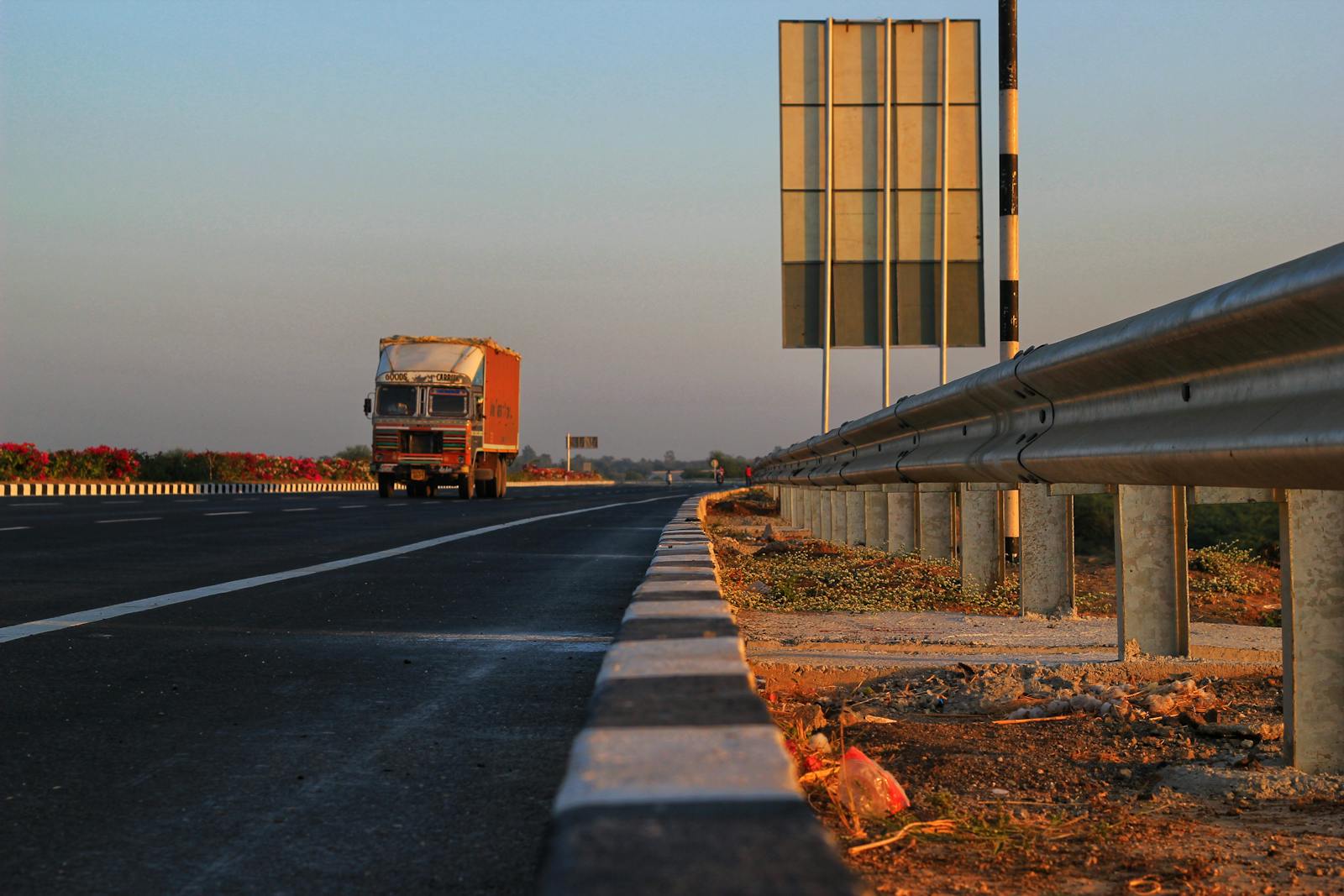

You’ll want to pay attention to the new spring weight and speed restrictions hitting major Michigan roadways, because they change how vehicles over 10,000 pounds must travel and can limit legal axle loads by 25–35% on many routes. Driving over 35 mph in certain seasonal restriction zones can trigger fines and put you on the hook for repair costs if your vehicle contributes to pavement damage.
This post explains which routes are affected, why the state and local agencies impose these limits during the thaw, and what penalties and permit options exist so you can plan routes and avoid surprises. Stay tuned to learn exactly where limits apply, how speed ties into road damage, and what steps are available for compliance.
Understanding the New Weight and Speed Restrictions
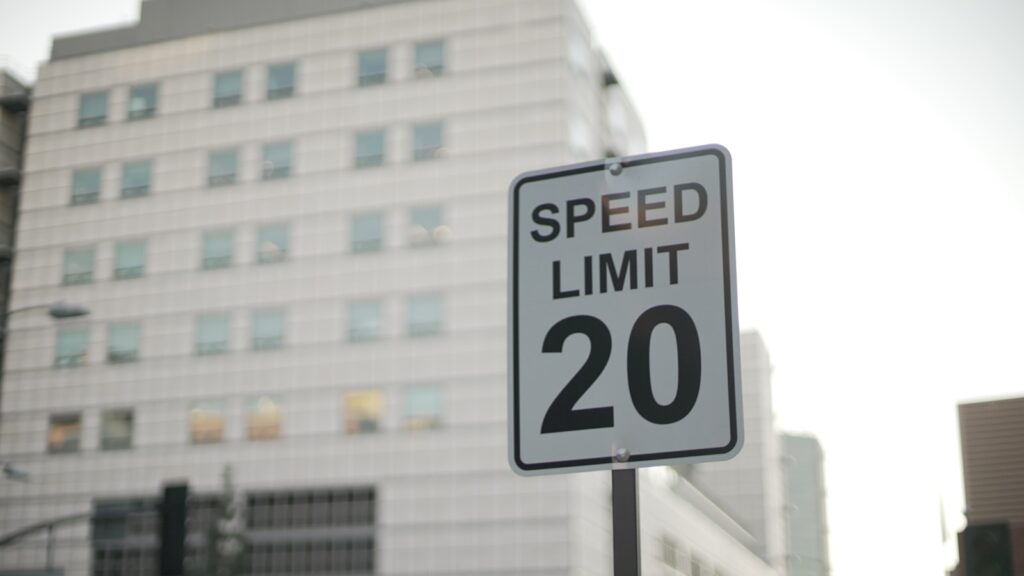
The rules reduce allowable axle loads, set slower maximum speeds for certain vehicles, and target spring thaw damage on vulnerable pavement. Drivers and fleet managers must note which roads, pavements, and times apply to avoid fines and prevent costly road damage.
Affected Roadways and Vehicle Types
The restrictions apply to state trunklines and many county roads across Michigan. This includes highways with M-, I-, and U.S. designations plus local routes where county road commissions post seasonal limits. The Michigan Department of Transportation posts route maps showing “all-season” and “seasonal” designations and provides updates at Michigan.gov/Truckers.
Vehicles over 10,000 pounds are the primary targets. That covers most commercial trucks, large delivery vans, and some RVs. Certain emergency, utility, and propane delivery vehicles may have different rules after permitting; operators should confirm exemptions before travel.
Details on the 35 MPH Speed Limit
Where seasonal weight limits apply, vehicles over 10,000 pounds are often capped at 35 mph regardless of posted speed limits. The 35 mph cap reduces dynamic pavement loading, which limits rutting and pothole formation during the thaw. Law enforcement and permitting authorities can issue citations when heavy vehicles exceed this speed.
Fleet drivers should monitor posted signs and MDOT bulletins. Driving faster increases wear and can void some permits, leading to fines or permit suspensions for carriers.
Load Reductions: Limits for Different Pavement Types
Load reductions vary by pavement type: typically a 25% axle-weight reduction on rigid (concrete) pavements and a 35% reduction on flexible (asphalt) pavements. These percentages reflect how asphalt softens more during thaw than concrete. Operators must calculate reduced legal gross weights and adjust cargo or routing to comply.
All-season routes (green/gold on MDOT’s Truck Operators Map) are exempt from reductions and retain normal legal axle weights. Carriers must verify route designation before assuming regular limits apply.
Duration and Timing of Seasonal Enforcement
MDOT triggers restrictions based on measured frost depth, observed road conditions, and weather forecasts. Enforcement often begins in early March in many Lower Peninsula areas but can vary each year. Restrictions stay in place until the frost line melts enough for moisture to escape and the roadbed regains stability.
County and city agencies set their own start/end dates that may not match state timing. Drivers should check the MDOT spring weight restriction bulletins or call 1-800-787-8960 for statewide updates and local road commission pages for county rules.
Penalties, Compliance, and Road Protection Measures
Local and state authorities now enforce fines, possible jail time for willful violations, and seasonal restrictions that aim to prevent pavement damage and unsafe conditions. Drivers and carriers must know exact limits, posted closures, and the compliance tools available to avoid penalties.
Fines and Financial Penalties for Violations
Municipal and state penalties vary, but examples show fines from several hundred dollars up to $2,500 for willful violations of weight-based closures. Repeat offenses can trigger higher fines and driver licensing action. In some jurisdictions, conviction for ignoring closures is considered reckless driving and can carry both fines and potential jail time.
Speeding above posted limits in designated zones (for example, exceeding 35 mph where limits are lowered) often results in standard speeding citations plus enhanced penalties if the violation occurs in a protected work or seasonal restriction zone. Commercial carriers may also face civil liability for pavement damage claims and increased insurance premiums after violations.
Agencies frequently assess penalties to the driver and the vehicle owner. Companies that operate fleets must track infractions, since repeated violations can lead to heightened enforcement, out-of-service orders, or targeted inspections by state agencies such as the Michigan Department of Transportation. For specifics about Michigan truck regulations and seasonal limits, consult the official Michigan truckers resources at michigan.gov/truckers.
How Restrictions Protect Infrastructure
Seasonal weight restrictions—commonly imposed during spring thaw—reduce axle loads to prevent rutting and structural damage when pavement is most vulnerable. Lower weight limits distribute stress and limit long-term deterioration that would otherwise require costly, frequent repairs.
Speed restrictions in sensitive zones minimize dynamic loading, which increases pavement fatigue and can accelerate cracking. Slower speeds also reduce stopping distances and the risk of collisions that can damage roadside infrastructure.
Closures for wind, weight, or high-profile vehicles protect bridges and elevated structures from loads they weren’t designed to carry. Agencies post temporary signs and coordinate with enforcement to close routes proactively, preserving pavement life and improving safety. State DOT guidance, including from the Michigan Department of Transportation, outlines when and how these protections are applied.
Guidance for Truckers and Drivers on Compliance
Drivers should check route restrictions before departure, using official state resources and real-time alerts. Fleets are advised to integrate GPS systems that display seasonal weight limits and temporary closures to avoid inadvertent violations.
Carry documentation of cargo weight and permits for overweight loads. When signs indicate reduced speed (e.g., enforced 35 mph zones), reduce speed immediately and document trip plans to show due diligence if cited. If enforcement stops a vehicle for a violation, cooperate and present load manifests and permits; commercial carriers should maintain logs and telematics data for audits.
For Michigan-specific procedures, drivers can find permit rules, seasonal closure maps, and contact points at michigan.gov/truckers and through the Michigan Department of Transportation. Regular training for drivers on reading signage, interpreting temporary orders, and using routing tools will reduce fines and protect company assets.
More from Steel Horse Rides: