
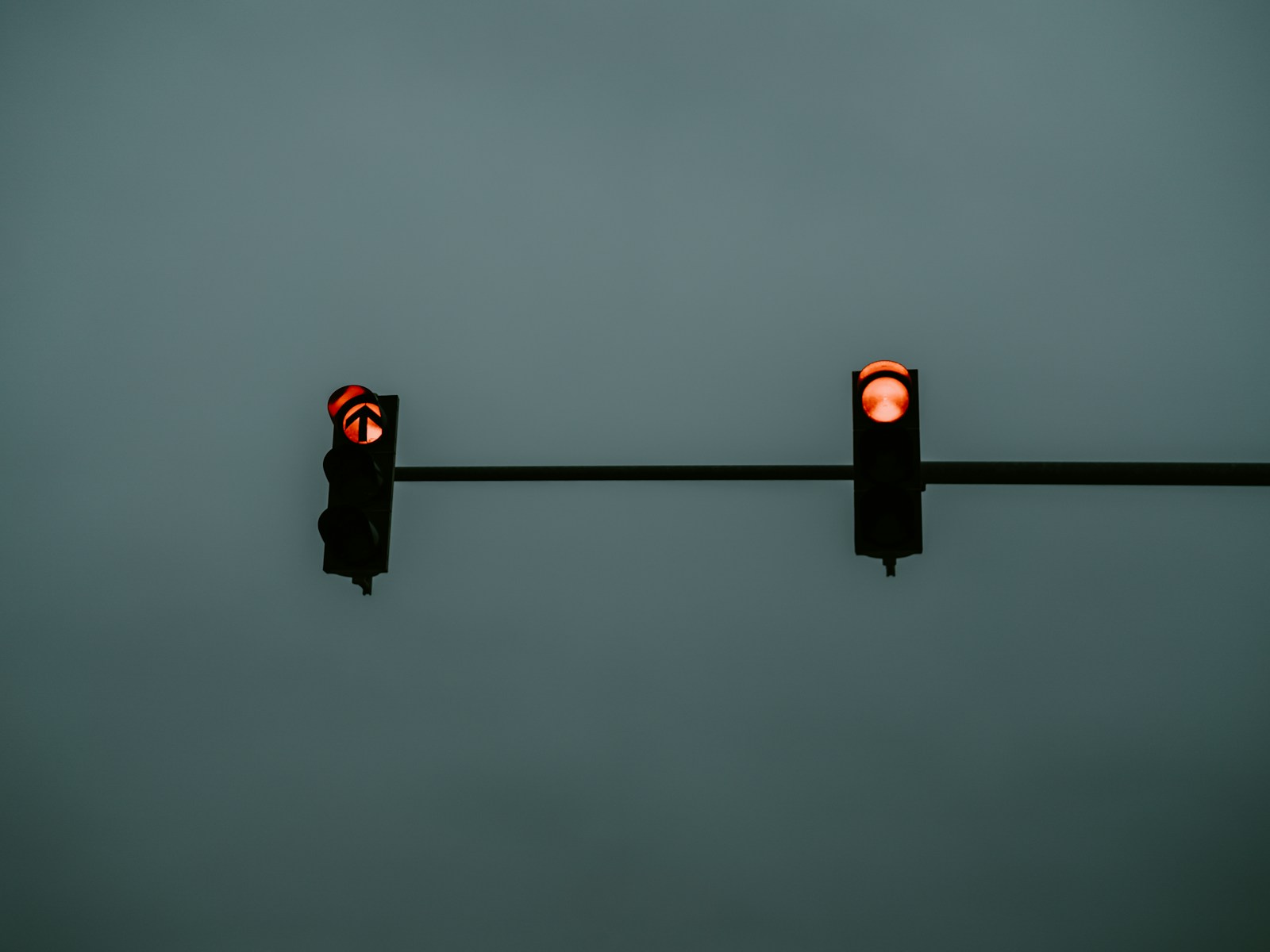

You might notice signals changing faster, showing unfamiliar patterns, or adding new indicators that drivers, cyclists, and pedestrians don’t immediately understand. Updated signal technology can improve flow but may also reduce visibility and increase confusion at busy intersections if people and devices aren’t prepared.
They will explore why new displays, added light phases, and data-driven timing can create split-second uncertainty, especially where sightlines, signage, or mixed traffic make decisions harder. Expect clear examples of what goes wrong and practical steps cities and road users can take to avoid delays and crashes.
How Updated Signal Technology Can Create Visibility and Confusion Issues
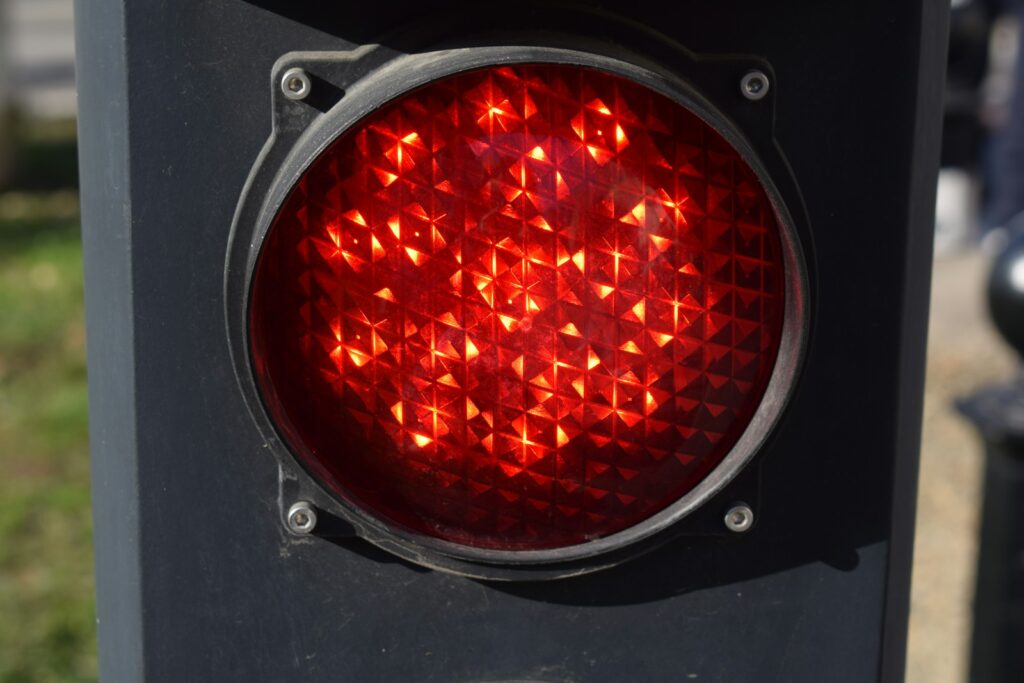
New signal hardware and adaptive timing change what drivers and pedestrians see and expect at intersections. Changes can alter sightlines, signal placement, and the sequence of green time, all of which affect decision-making and safety.
Typical Changes in Modern Traffic Signal Systems
Agencies increasingly install LED arrays, supplemental backplates, and multimodal indicators to improve visibility and reduce maintenance. They also deploy adaptive signal controllers that vary green time based on real-time flows and queue length.
These upgrades often include vehicle-to-infrastructure (V2I) beacons or phase-priority signs for transit and bikes, plus secondary heads for complex turn lanes. Transportation authorities may retime corridors frequently as traffic patterns shift, so drivers encounter different cycle lengths and offsets across adjacent intersections.
Those changes improve urban mobility and reduce delays when calibrated correctly. However, inconsistent hardware and frequent timing updates increase the chance that a user will face unfamiliar signal layouts or unexpected green durations.
Visibility Challenges for Drivers and Pedestrians
New LED modules are brighter but narrower in beam angle, which can create glare or make lenses appear dim from oblique approaches. Pedestrians and cyclists often rely on side-mounted pedestrian heads and countdown timers; relocating or downsizing these devices reduces reaction time.
Backplates and louvers help contrast but can block sightlines to other heads or to approaching vehicles when mounted incorrectly. At wide, multi-lane intersections, additional heads for separate turn bays raise visual clutter, making it harder to distinguish which signal applies to which lane.
Poorly placed signs and poles, plus temporary sensors or V2I equipment, can hide signal visors or obscure signal faces at certain approach angles, affecting traffic safety and increasing the likelihood of missed greens or late braking.
Confusion Caused by New Signal Phases and Indicators
Adaptive controllers introduce variable green times and split phases that differ from fixed-timing expectations, producing unfamiliar sequences like early termination of green or protected-permissive transitions. Drivers used to fixed cycles may misjudge when a green will end, raising red-light risk.
Added indicators—such as turn arrows with permissive timing, bicycle-specific signals, or transit-priority displays—create more signal aspects to interpret. Without clear lane assignment markings, motorists can mistake a permissive green arrow for a through-movement signal, leading to conflict with pedestrians or opposing turns.
When transportation authorities deploy new elements, inconsistent public information and sparse signage amplify confusion. Clear markings, consistent placement, and public outreach reduce misinterpretation; otherwise, signal timing changes intended to improve flow can instead generate hesitation and unsafe maneuvers.
Impacts of Intelligent Signal Technology on Intersection Safety and Urban Mobility
Intelligent signal upgrades change how vehicles, transit, and pedestrians interact at intersections. They promise smoother flow and faster transit but can also introduce new visibility, timing, and decision-making challenges for road users.
Adaptive Signal Control and Real-Time Traffic Flow
Adaptive signal control uses sensors, cameras, and algorithms to change traffic signal timing based on live demand. It reduces queue lengths by extending green time for congested approaches and shortening it when volumes drop, which helps manage traffic flow and cut idling that increases fuel consumption.
Cities must calibrate detectors and ML models carefully. Poor sensor placement or biased training data can delay responses or favor one corridor over another, worsening congestion for side streets. Agencies should monitor performance metrics (delay, stops per vehicle, emissions) and update timing plans to preserve predictable green waves for coordinated corridors.
Operational transparency matters. Drivers and cyclists expect consistent signal behavior; sudden, frequent phase shifts can create confusion. Visual cues, clear signage, and public outreach help reduce unsafe decisions when drivers encounter unfamiliar adaptive timing.
Connected and Automated Vehicles at Intersections
Connected and automated vehicles (CAVs) exchange position, speed, and intent with infrastructure using vehicle-to-infrastructure (V2I) messages. That enables precise phase timing, gap acceptance, and potentially new intersection strategies that reduce conflict points and improve throughput.
Integration challenges include mixed traffic during long transition periods. Human drivers react differently to CAV maneuvers, and automated vehicles rely on consistent signal visibility and secure connected vehicle data. Interoperability standards and cybersecurity protections are critical to avoid misleading messages that could create hazardous situations.
Planners can use CAV data to refine signal timing and simulations to test automated phasing or dynamic curb management. However, overreliance on CAV communication risks reduced safety where non-connected road users—pedestrians, cyclists, or older vehicles—remain invisible to the system.
Transit Signal Priority and Pedestrian Detection
Transit signal priority (TSP) gives buses or trams earlier or longer greens to keep schedules and improve transit reliability. When combined with smart traffic signals, TSP can increase transit speed and mode share, supporting sustainable transportation goals and lowering per-passenger fuel consumption.
Pedestrian detection via video analytics or radar can extend walk phases when people are present, improving safety for vulnerable road users. Systems must handle low-light and adverse weather conditions; otherwise, missed detections can leave pedestrians exposed or produce unexpected phase holds that frustrate drivers.
Operators must balance competing priorities: strict TSP can delay cross traffic and increase pedestrian wait times if not tuned properly. Clear signal indications and consistent pedestrian timing reduce confusion. Agencies should publish TSP and detection policies and test adjustments with field data to ensure equitable outcomes across modes.
More from Steel Horse Rides: