

You’ve probably noticed car values shifting and new ownership costs popping up, and that can complicate retirement plans. This article helps you spot when holding onto a vehicle could cost more than trading it in, so you can protect savings and keep monthly expenses predictable. Acting before a steep drop preserves more resale value and avoids surprise repair bills.
Expect practical guidance on common models that tend to lose value faster and the ownership factors that matter most, like mileage, recalls, and changing buyer demand. The goal is to give clear, usable insight so you can weigh trading in now against keeping a car for a few more years.
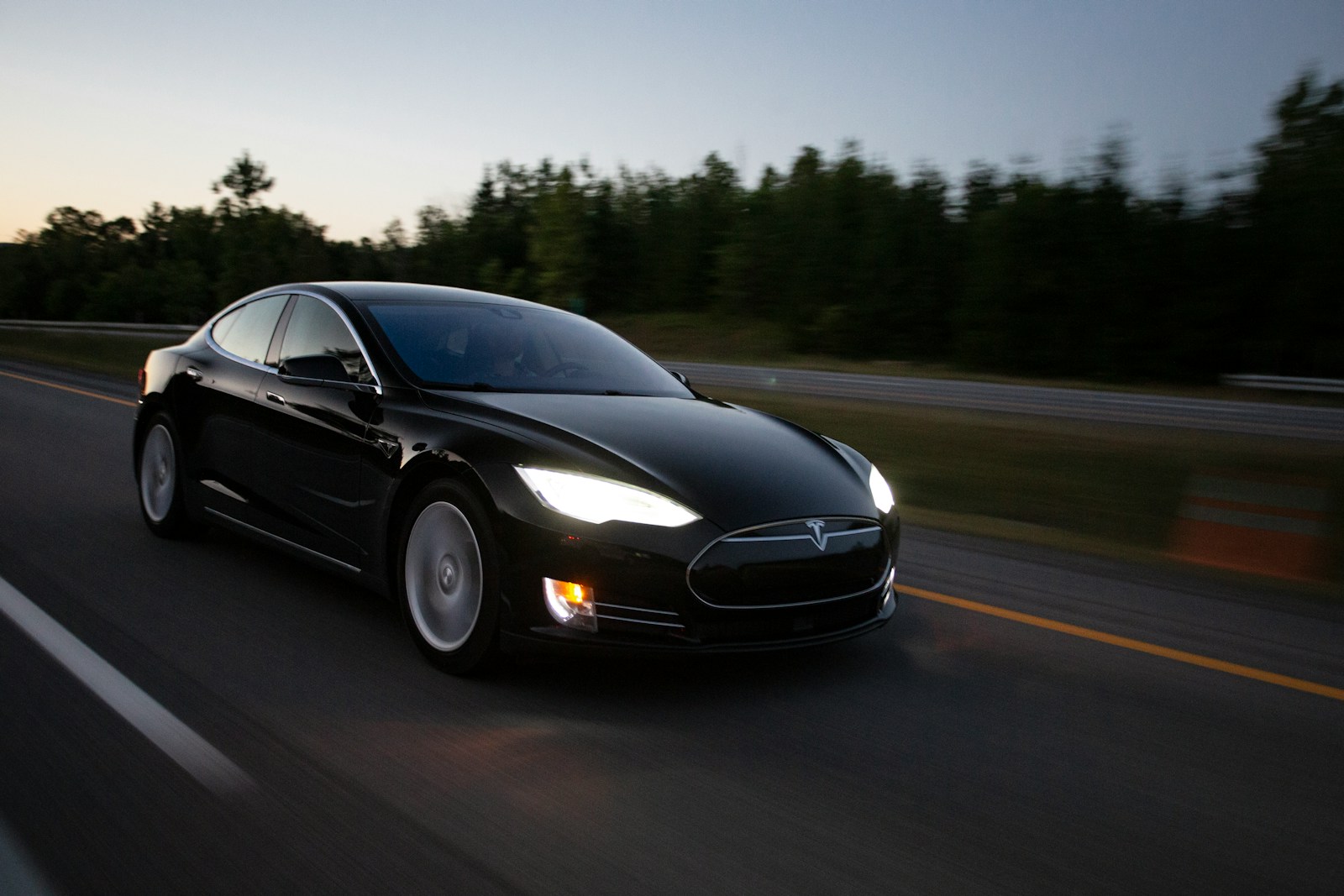
Tesla Model S
The Model S has seen steep used‑car price drops recently, driven by fast EV tech cycles and new‑car price cuts. Owners weighing a trade should check current private‑party and trade‑in values and compare them to any loan payoff.
Depreciation has accelerated for some Model S trims, so holding on risks further loss. For retirees who don’t want upkeep hassles or battery‑range uncertainty, trading now can lock in better value.
Read more about recent price trends for the Model S on USA TODAY.
Ford Fusion
The Fusion has seen steady depreciation, so retirees should check mileage and condition before deciding. Models with high miles or older engines can lose value faster, especially as buyers favor SUVs and crossovers.
They can compare recent resale trends and consider selling before major service costs hit. For more detailed depreciation curves, review Ford Fusion data at FIXD.
Chevrolet Impala
The Impala loses value faster than many full-size sedans, partly because production ended after 2020.
Buyers seeking a trade should check current market prices and compare them to historical depreciation curves.
Older model years can offer a lower purchase price but often need more maintenance.
Use trusted valuation tools like NADA or Kelley Blue Book to time a trade-in and protect retirement funds.
Honda Accord
The Accord holds value better than many midsize sedans, so retirees can get solid trade-in offers while demand remains steady. It balances comfort and fuel efficiency, which appeals to older drivers.
If mileage is creeping past major thresholds, trading in now can avoid the next steep depreciation drop. Edmunds explains timing strategies for trading in a car that can help decide when to act (https://www.edmunds.com/sell-car/when-is-the-best-time-to-trade-in-a-car.html).
Hyundai Sonata
The Sonata often shows faster depreciation than some competitors, so retirees should check current trade-in offers before values slide further. It typically holds mid-range resale compared with other midsize sedans, and model year, mileage, and trim affect its worth.
They should compare local listings and Kelley Blue Book or Edmunds estimates to spot the best time to trade. For a quick read on timing and trade-in tips, see Edmunds’ guidance on when to trade in a car.
Toyota Camry
The Camry stays popular for reliability and low running costs, but that widespread ownership keeps resale prices modest.
Buyers who plan to sell soon may want to trade in before larger market shifts push used-car values down.
It often depreciates in the middle of the pack because many used examples come from rentals and fleets.
Check recent local listings and compare to national trends like those reported about Camry depreciation to time a sale.
Nissan Altima
The Altima offers roomy seating and good fuel economy, but its resale value has softened compared with compact rivals. Buyers who plan to sell within a few years may see noticeable depreciation, especially on higher-mileage or tech-loaded trims.
If a retiree wants lower ownership costs, trading now can avoid steeper drops expected for sedans in early 2026. Check recent listings and use a resale-value tool like the one at iSeeCars for current depreciation trends.
Mazda6
The Mazda6 still earns praise for balanced handling and a refined interior, but resale values have softened in recent years. Owners might find trade-in offers dip faster after the three- to five-year mark, especially as buyers favor SUVs.
If a retiree plans to downsize or simplify, trading the Mazda6 now can lock in better equity. For timing tips and market context, see guidance on cars retirees should trade before depreciation hits hard (https://www.gobankingrates.com/saving-money/car/vehicles-retirees-should-trade-in-before-depreciation-hits/).
Volkswagen Passat
The Passat has seen notable depreciation in recent years, especially compared with more popular SUVs. Buyers should check trade-in values and recent resale trends before deciding.
If maintenance costs or mileage are high, trading now can protect equity. For model-specific depreciation data consult the Passat depreciation analysis on CarEdge.
BMW 5 Series
The 5 Series delivers a refined ride and strong performance, but it also carries higher maintenance and repair costs than mainstream cars. Buyers should watch resale trends because luxury models like this can lose value faster than expected.
If a retiree owns one, they might get better trade-in value now before depreciation deepens. Edmunds has guidance on timing trades that can help them decide when to sell.