

You want a vehicle that keeps you moving when roads get treacherous, and mechanics weigh in on which models actually deliver in snow, ice, and freezing temperatures. They focus on traction systems, ground clearance, and cold-weather reliability so you can pick a car or truck that reduces risk and stress during winter trips.
This article walks through practical assessments from technicians and points toward specific makes and drivetrains that tend to perform well in winter conditions, from AWD crossovers to purpose-built 4WD trucks. Expect clear, mechanic-tested guidance that helps narrow choices without jargon or hype.
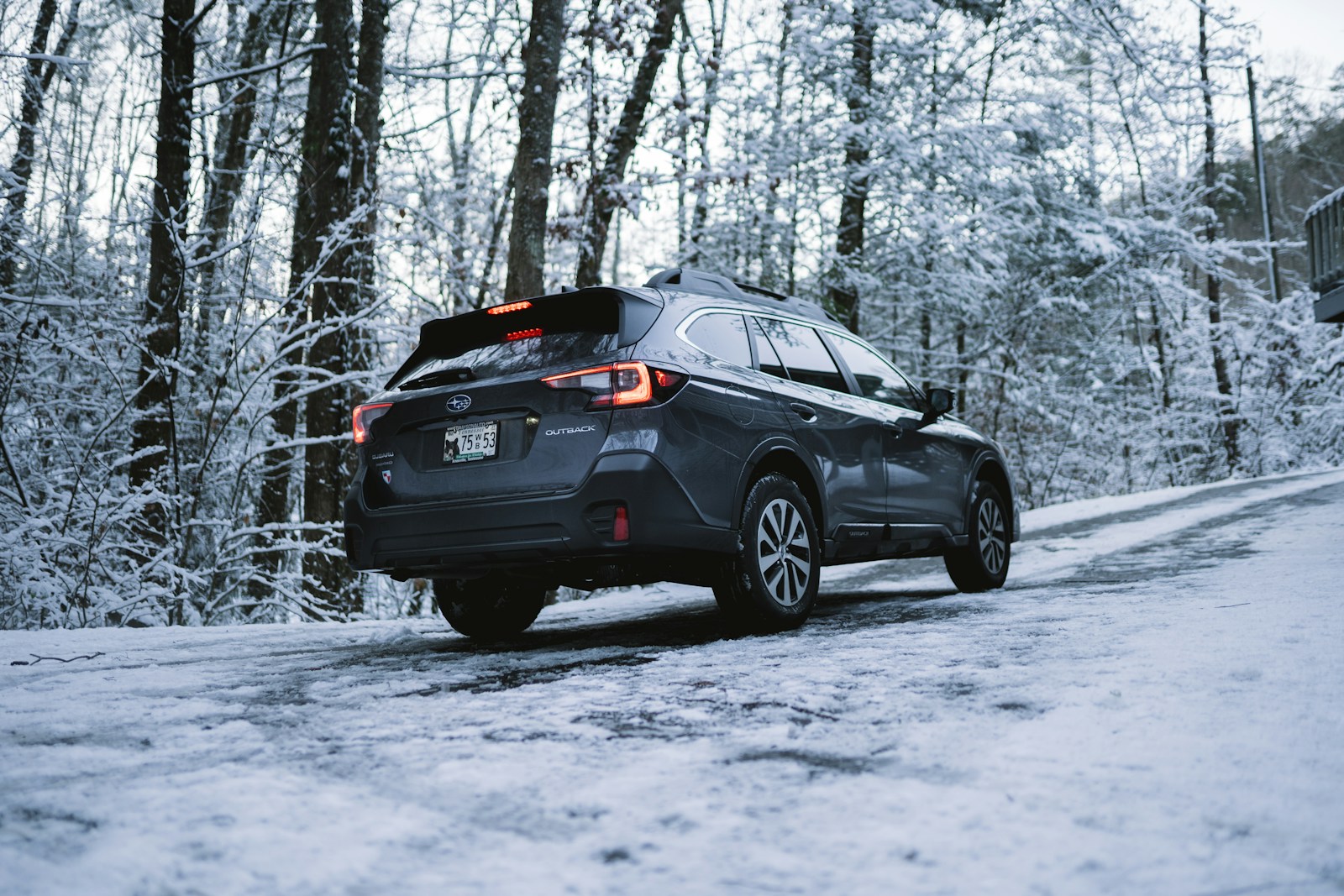
Subaru Outback with Symmetrical AWD
The Outback uses Subaru’s Symmetrical All-Wheel Drive to send power to all four wheels continuously.
That balanced layout helps maintain traction on snow and ice and improves straight-line stability.
Mechanics note the low-mounted boxer engine and driveline layout lower the center of gravity.
Brake-based torque vectoring aids cornering on slick roads without driver input.
Owners should still consider winter tires for stopping and steering on packed ice.
Read more about the system at Subaru’s features page. (https://www.subaru.com/vehicles/outback/features.html/subaru-symmetrical-all-wheel-drive)
Audi Q5 Quattro AWD
The Q5’s Quattro all-wheel-drive system sends power where traction exists, helping it bite through slush and packed snow. Paired with traction control and stability aids, it reduces wheelspin in tricky spots.
Ground clearance and good winter tires matter more than brand alone, and mechanics note the Q5 handles predictable under- and oversteer well. Drivers who equip it with proper snow tires and adjust drive modes get noticeably better control on ice and cold pavement.
For routine winter commuting, technicians often recommend the Q5 as a capable choice when maintained properly.
Toyota 4Runner with 4WD
The 4Runner’s part-time and full-time 4WD options give it traction where rear-drive SUVs struggle. Its high ground clearance and sturdy suspension help in deep snow and slush.
Available traction aids like Multi-Terrain Select and active traction control improve grip on packed snow. Mechanics note winter tires and cautious inputs remain essential for icy roads.
Owners praise the 4Runner’s durability in winter conditions, but some trims with part-time 4WD perform less predictably on icy pavement. For street-heavy winter use, the Limited’s full-time system checks more boxes.
Jeep Grand Cherokee 4WD
The Grand Cherokee’s 4WD systems adapt torque and braking to maintain traction on snow and ice.
Available Quadra-Trac and Quadra-Drive setups add low-range gearing and limited-slip differentials for deeper snow or slippery roads.
Drivers benefit from electronic sensors that detect wheel slip and redistribute power automatically.
For more on the Grand Cherokee’s traction systems, see the explanation of its 4WD features (https://www.wilmingtoncdjr.com/blogs/4276/jeep-grand-cherokee-4wd/).
Mercedes-Benz GLE 4MATIC AWD
The GLE’s 4MATIC all-wheel drive helps distribute power between axles for better grip on snow and ice. It pairs with traction control and stability systems to reduce wheel slip.
Heated seats and available winter packages add comfort and practical advantages for cold starts. Mercedes notes best winter performance comes with proper winter tires for true traction.
Ford F-150 with 4WD
The F-150 with 4WD delivers confident traction on packed snow and icy roads. Its higher ground clearance helps in deeper drifts and avoids underbody hang-ups.
Electronic aids like traction and stability control assist where tires slip, but good winter tires make the biggest difference. Mechanics often recommend engaging 4WD before conditions worsen to maintain steady momentum.
Volvo XC90 AWD
The XC90’s AWD system distributes power proactively to maintain traction on slippery roads. Its stability systems and decent ground clearance help it tackle packed snow and icy patches with composed handling.
Drivers still need winter tires for best grip and shorter stopping distances. Many reviewers note the XC90 feels planted in most winter conditions, especially when paired with appropriate tires and cautious driving.
Mazda CX-5 AWD
The CX-5’s i-Activ AWD shifts torque proactively to help maintain traction on packed snow and slush. Drivers report confident handling in light to moderate winter conditions when paired with proper tires.
Short ground clearance can be a limitation in deep snow, so winter tires and cautious routing matter. Mazda’s stability aids and predictable steering make the CX-5 feel composed on icy roads.
Dealers and owner forums note routine winter maintenance—battery, brakes, and tire checks—improves reliability in freezing temperatures. For more detail on cold-weather performance, see this review of the CX‑5 in snow (https://www.marinmazda.net/blogs/5816/is-the-mazda-cx-5-good-in-snow-cold-weather-handling-explained).
Chevrolet Silverado 1500 4WD
The Silverado 1500 with four-wheel drive gives drivers strong traction on packed snow and icy roads. Mechanics note its available 4H and 4L settings help when conditions change quickly.
Heavier curb weight and the option to add ballast in the bed improve rear grip, but proper winter tires remain crucial. Roadshake can occur if 4H is used improperly, so drivers should follow the owner’s guide.
For real-world winter use, technicians recommend combining 4WD, winter tires, and cautious throttle control.
Honda CR-V AWD
The CR-V’s AWD system helps redistribute torque to maintain traction on packed snow and light ice. Drivers report confident handling when paired with proper winter tires and cautious inputs.
It lacks some low-speed off-road tech but offers good ground clearance for most urban winters. Owners note OEM tires often underperform, so swapping to dedicated winter rubber improves grip and braking noticeably (see forum reports on tire issues).