

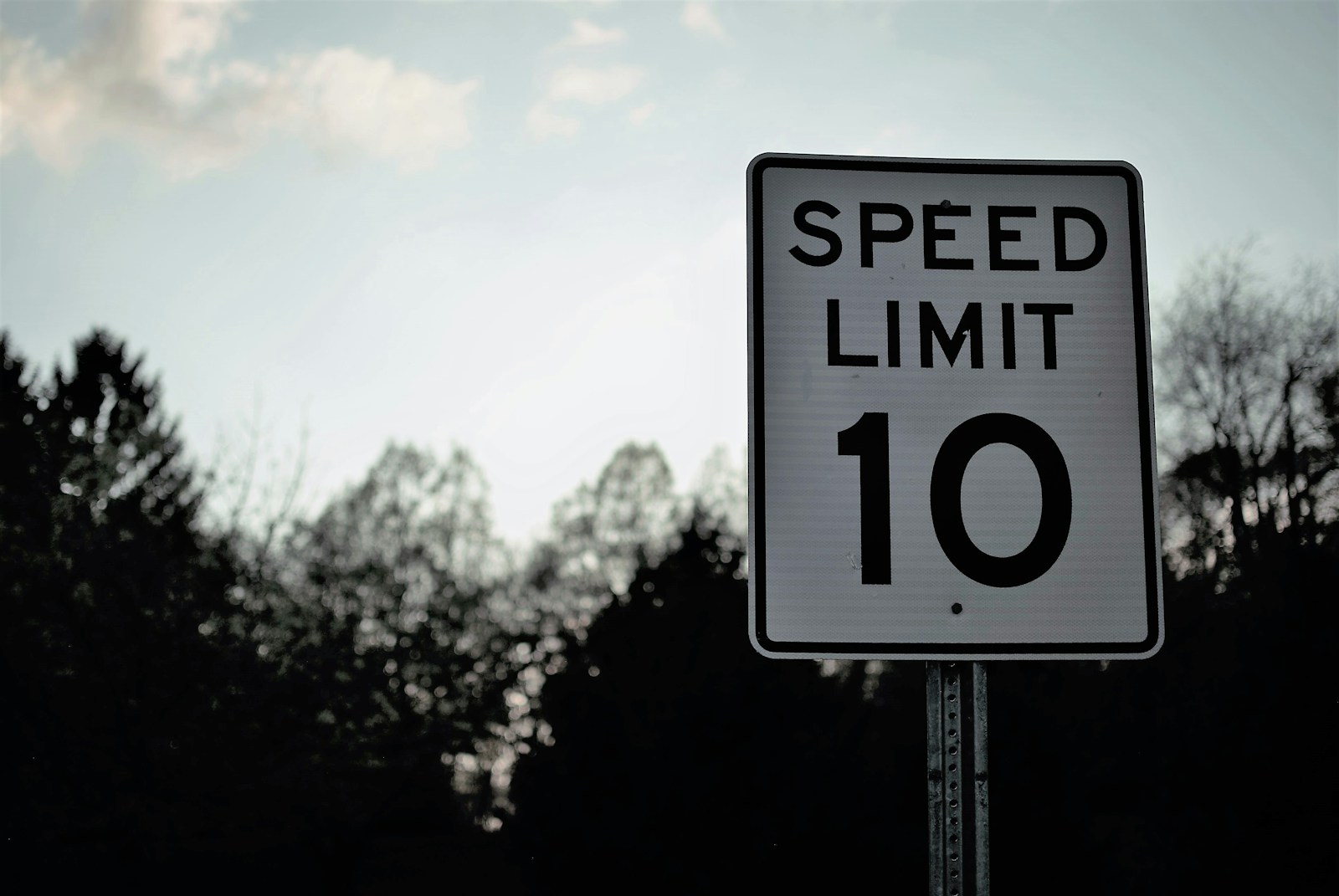
Across the country, drivers are running into a new kind of speed rule that feels a lot less forgiving. Instead of the old cushion over the posted limit, several states are tightening enforcement so that going just 10 miles per hour too fast can trigger hard penalties, and in some cases technology in the car itself is part of the crackdown. The shift is billed as a life‑saving move, but it is landing as a shock on the road and sparking loud backlash from people who feel the rules are racing ahead of common sense.
The push is clearest in places experimenting with strict 10 mph thresholds, automated enforcement and electronic speed caps, all backed by a growing web of new traffic laws. From California to New York and smaller communities in between, the message to drivers is blunt: the margin for error is shrinking, and the consequences for even minor speeding are getting a lot steeper.
How a 10 mph cushion turned into a hard line
For years, plenty of drivers treated 10 mph over the limit as an unofficial truce with traffic cops, especially on wide suburban highways. That cultural norm is colliding with a new generation of rules that treat the same 10 mph as a bright red line. In Oregon, a recent change cut posted limits on certain roads by as much as 10 mph, effectively turning yesterday’s cruising speed into today’s ticket under a MAJOR speed limit that was framed as a win for safety but quickly branded by critics as a “strict 10 mph rule for all American drivers.” The change did not just lower numbers on signs; it moved the enforcement goalposts overnight.
In other places, the same 10 mph figure is being baked directly into car hardware. In California, a proposal known as SB 961 would require new vehicles sold in the state to come with an intelligent speed assistance system that automatically caps speed at 10 mph over the posted limit, with limited ability for the driver to override it. Supporters describe the plan as part of a broader SAFER California Streets package, and Senator Scott Wiener has pitched it as a direct answer to deadly high‑speed crashes by tying the car’s behavior to the law on the sign. A related idea surfaced in an earlier bill that would have mandated a device to stop cars from going more than 10 mph over the limit, with coverage explaining that new speed limiter could be built into every new car sold in the state.
California’s tech‑heavy crackdown and the 10 mph flashpoint
California is becoming the test lab for how far states can push drivers toward strict compliance using technology. The same SAFER California Streets push that produced SB 961 is also rolling out automated speed cameras under Assembly Bill 645, with AB 645 speed now approved for corridors in cities including Los Angeles and San Francisco. Aimed squarely at drivers who treat 5 or 10 mph over as a harmless habit, the cameras erase the old hope that an officer might let a small infraction slide.
On top of that, California’s 2026 traffic changes bring a cluster of new enforcement tools that tighten the screws further. A legal guide for drivers notes that first 30 days after a new, lower speed limit takes effect, peace officers are limited to warning citations, but after that grace period the full penalty structure kicks in. At the same time, new rules around self‑driving cars allow officers to issue a “notice of autonomous vehicle (AV) non compliance” if an automated system fails to obey speed laws, and the owner can face a fine of $500 under the broader set of Speed Law Changes that California drivers are now learning in real time.
From New York’s 1 mph penalties to work‑zone traps, drivers push back
The 10 mph fight is not just a West Coast story. New York has quietly turned even smaller speed overages into a serious risk, feeding the sense among drivers that the old buffer has vanished. Under the state’s February overhaul, a section titled Increased Point Values spells out that speeding 1 to 10 mph over the limit now carries higher point penalties on a driver’s record. A companion analysis warns that under the new system even a 1 mph violation can put a license at risk, which has already caught out visitors; one report describes Massachusetts drivers being cited under the New York crackdown and discovering that the days of casual speeding on interstate trips are over.
California drivers are feeling a similar squeeze in work zones, where the combination of lower limits and new detectors turns a 10 mph mistake into an expensive lesson. Under Assembly Bill 289, the state is launching a pilot program that uses New speed detectors in construction work zones, with fines that can climb to a total cost of nearly $500 once fees and assessments are added. A broader overview of California’s 2026 rules notes that New CA traffic also expand protections for stranded motorists and toughen penalties for deadly drunk driving, but it is the automated work‑zone tickets that have drivers talking about “speed traps with better software.”
More from Wilder Media Group: