
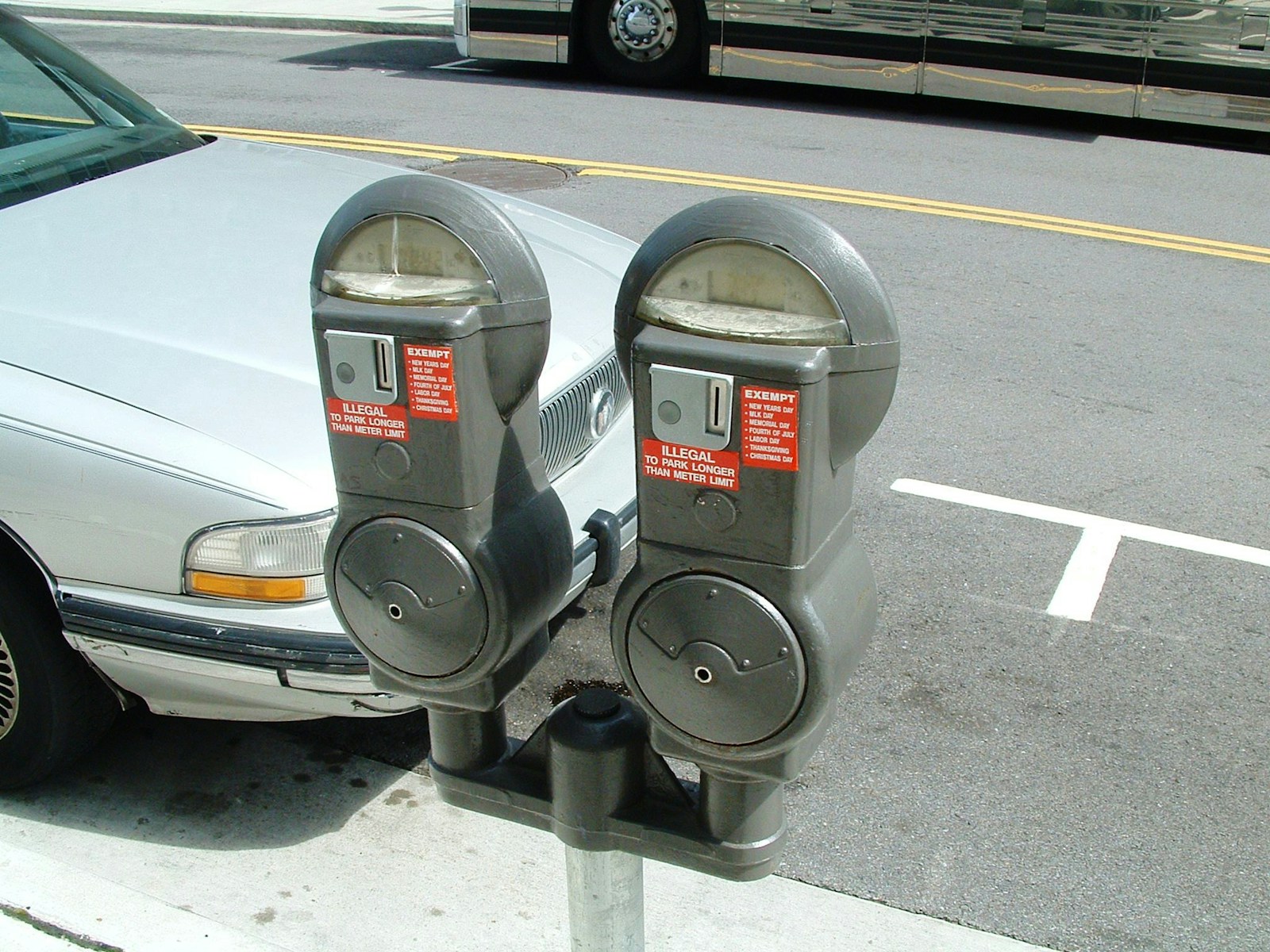

Drivers are learning fast that parking is no longer a slow, handwritten-ticket affair. High-tech poles, bus-mounted cameras, and AI systems now spot violations in seconds and spit out $30 penalties before a meter officer even turns the corner. The promise is safer streets and less chaos at the curb, but for anyone used to lingering with hazard lights on, the new rules bite quickly.
Across several cities, these automated systems are being pitched as safety tools first and revenue machines second. They watch for cars blocking bike lanes, bus stops, and crosswalks, then move straight from detection to fine. The message is simple: if a driver stops where they should not, the countdown to an instant ticket starts almost immediately.
How “safety sticks” and AI cameras catch drivers in seconds

In Albuquerque, the shift from chalk marks to chips is literal. The city is rolling out slim poles on the sidewalk that locals are already calling “safety sticks,” devices that quietly watch for cars stopped in the wrong place and hand out $30 tickets when the clock runs out. These radar-equipped cameras are tuned to a strict 90 second rule, which means a driver who thinks they are “just running in” for coffee can be tagged before they reach the counter.
City officials describe the devices, branded as SafetySticks, as a way to protect busy corridors where double parking and casual stopping have become routine. Each unit uses radar and cameras to track when a vehicle pulls into a restricted zone, then captures evidence if the car is still there after the brief grace period. Parking Division Manager Maria Gr is overseeing the rollout and says the SafetySticks will be integrated with existing enforcement systems so tickets arrive in the mail with photo proof instead of a paper slip tucked under the wiper.
The city is also leaning on public messaging to soften the surprise factor. A video shared from Albuquerque officials walks residents through how the devices work and stresses that they are targeting areas flagged by Folks from Vision Zero as high-risk for crashes. In a related clip, Vision Zero advocates are cited as helping identify those “safety corridors,” turning what might look like simple ticket machines into part of a broader street safety strategy.
From bus lanes to Barnacles, cities are automating the clampdown
Albuquerque is not alone in letting machines watch the curb. In Pittsburgh, Drivers are being warned that starting April 1, AI-powered cameras will flag cars that slip into the wrong spaces and trigger instant $30 fines. Local leaders say Pittsburg is set to install artificial intelligence systems that scan parked vehicles and help authorities issue tickets more efficiently, with Drivers facing $30 if they ignore the new rules.
On the transit side, Apr has become a milestone for tougher enforcement on bus corridors. Several buses are set to be equipped with cameras and artificial intelligence capable of detecting vehicles illegally parked or stopped in lanes reserved for transit, with violators facing $76 tickets once the law kicks in. A related login page for the same enforcement program, Discovered via Drivers, highlights how the same AI backbone is being used across multiple corridors to keep traffic flowing.
Other cities are experimenting with physical gadgets that go beyond cameras. In some New Jersey towns, SafetySticks are already in use, quietly taking a photo when a vehicle parks and another image After two minutes. If the vehicle is still there in the same restricted spot, the system flags it for a violation, a pattern described in detail where officials explain what happens car lingers. Elsewhere, cities are trying the Barnacle, a bright yellow panel that suctions onto a windshield and makes the car undriveable until outstanding fines are paid, a tactic highlighted in a pilot where a city chose Barnacles over boots and another report where The Barna device is shown locking violators in place.
Behind the tech: data, dollars, and who really benefits
None of this works without a digital backbone, and parking agencies are racing to modernize. In Philadelphia, The Philadelphia Parking Authority and SEPTA are preparing to use AI technology on bus cameras to catch drivers who treat transit lanes like loading zones, a move aligned with the agency’s broader modernization push detailed on its own parking authority site. That upgrade wave extends to infrastructure too, with Discovered, Untitled hosting a cyber platform that supports online systems for managing tickets, permits, and payments so the enforcement data does not live only on paper.
Private vendors and city partners pitch these tools as a way to cut human error and keep curb space turning over. A guide for parking operators points out how Digital payment platforms and automated access control systems reduce mistakes and how license plate recognition can deter misuse while boosting compliance, a case made in detail in a breakdown of parking operations management. Another explainer on holiday rules notes how Sensors and AI-driven cameras have changed meter enforcement, with Sensor data feeding smart parking systems that keep working even when drivers assume holidays mean free parking, as described in a piece on Valentine’s Day meters.
More from Wilder Media Group: