
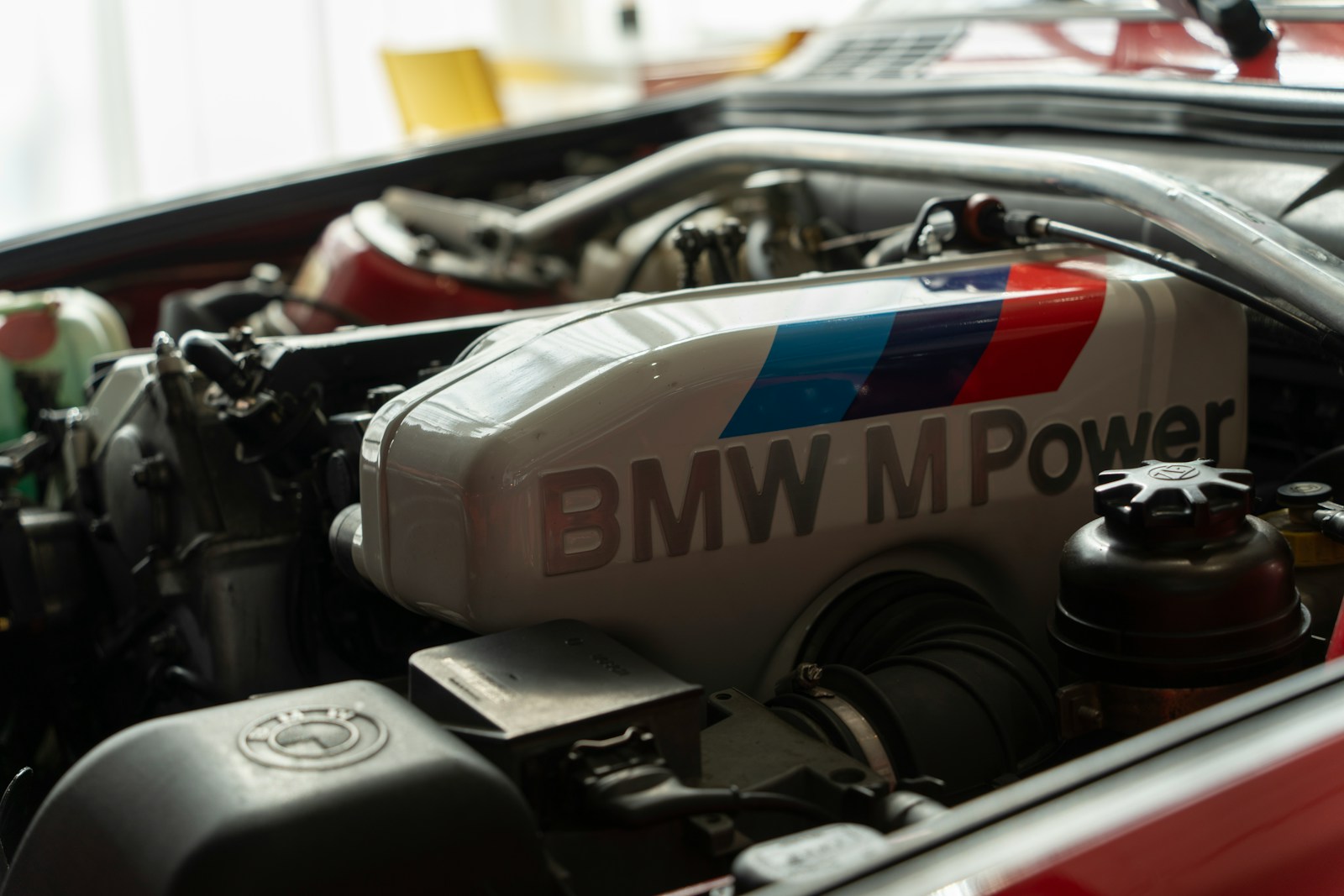

BMW is pulling back a huge fleet of cars after uncovering an engine-related fault that can turn a simple starting problem into a fire risk. Around 575,000 vehicles are now subject to a global recall, affecting drivers from the United States to Europe and Asia. For owners, this is not just another service bulletin but a safety issue that demands quick attention.
The fault lies in the starter system, a part most drivers only think about when the car refuses to crank. In the affected cars, corrosion can build up where electrical power is fed to the starter, and that can overheat, damage surrounding parts and, in rare cases, ignite. The recall aims to catch those cars before that chain reaction has a chance to play out on a driveway, in a car park or at motorway speeds.
The hidden fire risk inside the starter system
At the heart of the recall is a small component that does a big job every time a driver presses the start button. Reports describe a power supply cable and relay in the starter system that are vulnerable to water intrusion, which can trigger corrosion and cause the relay to overheat. In some of the affected BMW vehicles, that overheating relay can damage the starter itself and nearby wiring, turning a routine start cycle into a potential ignition source, as outlined in one technical summary of starter relays. The company has linked this defect to the global campaign covering 575,000 cars, including models that share the same starter design.
Drivers are being told to watch for early warning signs long before anything dramatic happens under the bonnet. According to guidance shared with owners, they may notice the car becoming harder to start or needing more than one press of the button to come to life, and in some cases the engine may not start at all. If the corrosion continues to eat away at the component, it can generate sparks and localized overheating inside the starter housing, which under certain conditions can lead to a fire, a risk that has prompted warnings for people not to ignore hard starting symptoms. Safety agencies stress that any sign of burning smell, smoke from the engine bay or repeated failure to start should be treated as a cue to stop driving and contact a dealer.
Which cars are affected and how BMW is responding
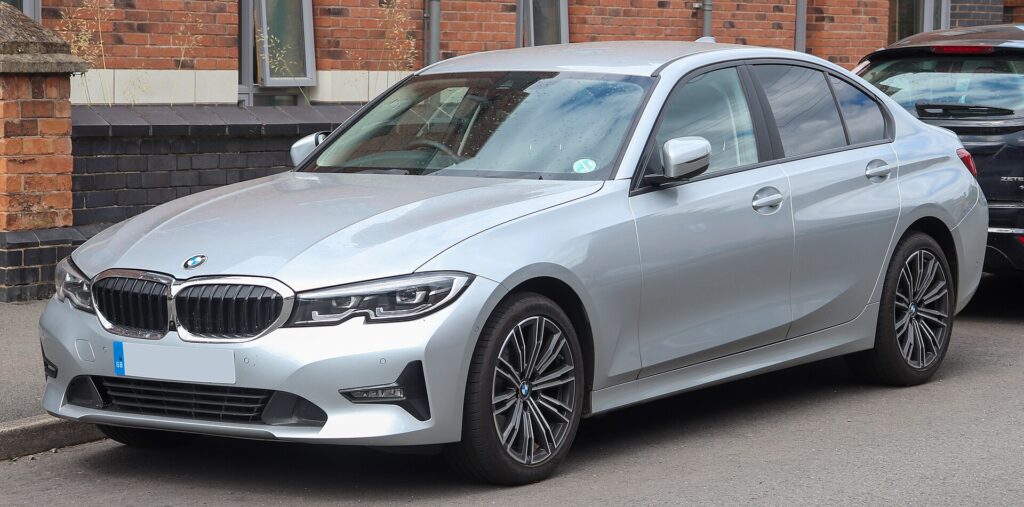
The recall covers a wide spread of BMW models built over several years, reflecting how widely this particular starter setup was used. Across the globe, 575,000 vehicles are being called back, with 87,000 of them registered in the United States according to one breakdown of 575,000 and 87,000. Coverage highlights popular models such as the 3 Series and 5 Series, along with SUVs and the recently discontinued Z4 (G29), all of which share the vulnerable starter power feed that can, in rare circumstances, create a fire risk. In some markets, a Toyota model that uses a BMW-supplied engine and starter configuration has also been flagged in related safety alerts, underlining how shared components can spread a defect across brands.
BMW has begun a worldwide repair program that focuses on inspecting the starter power supply, checking for corrosion and replacing damaged parts before they fail. Owners are being contacted directly using registration data, and many will also discover the campaign when they check their vehicle identification number on official recall tools. The manufacturer has said that the work will be carried out free of charge, and that its decision to recall is driven by the potential fire risk rather than a high number of incidents, a point echoed in detailed coverage of the engine fault that. For a brand that trades heavily on engineering credibility, the swift global response is an attempt to show that it would rather overreact than gamble with customer safety.
What drivers should do now
For drivers trying to work out if their car is caught up in the recall, the safest route is to go straight to official channels. In the United States, the National Highway Traffic Safety Administration hosts a searchable database where owners can enter their vehicle identification number and see all open campaigns, including this one, through the main recalls portal. BMW also provides its own online checker for affected models, and local dealers can confirm eligibility using registration details. Even if a car feels fine, owners are being encouraged to verify its status rather than assume it is unaffected, especially if it shares an engine family with the listed vehicles.
More from Wilder Media Group: